Poultry industry in South Africa
Market dynamics and size
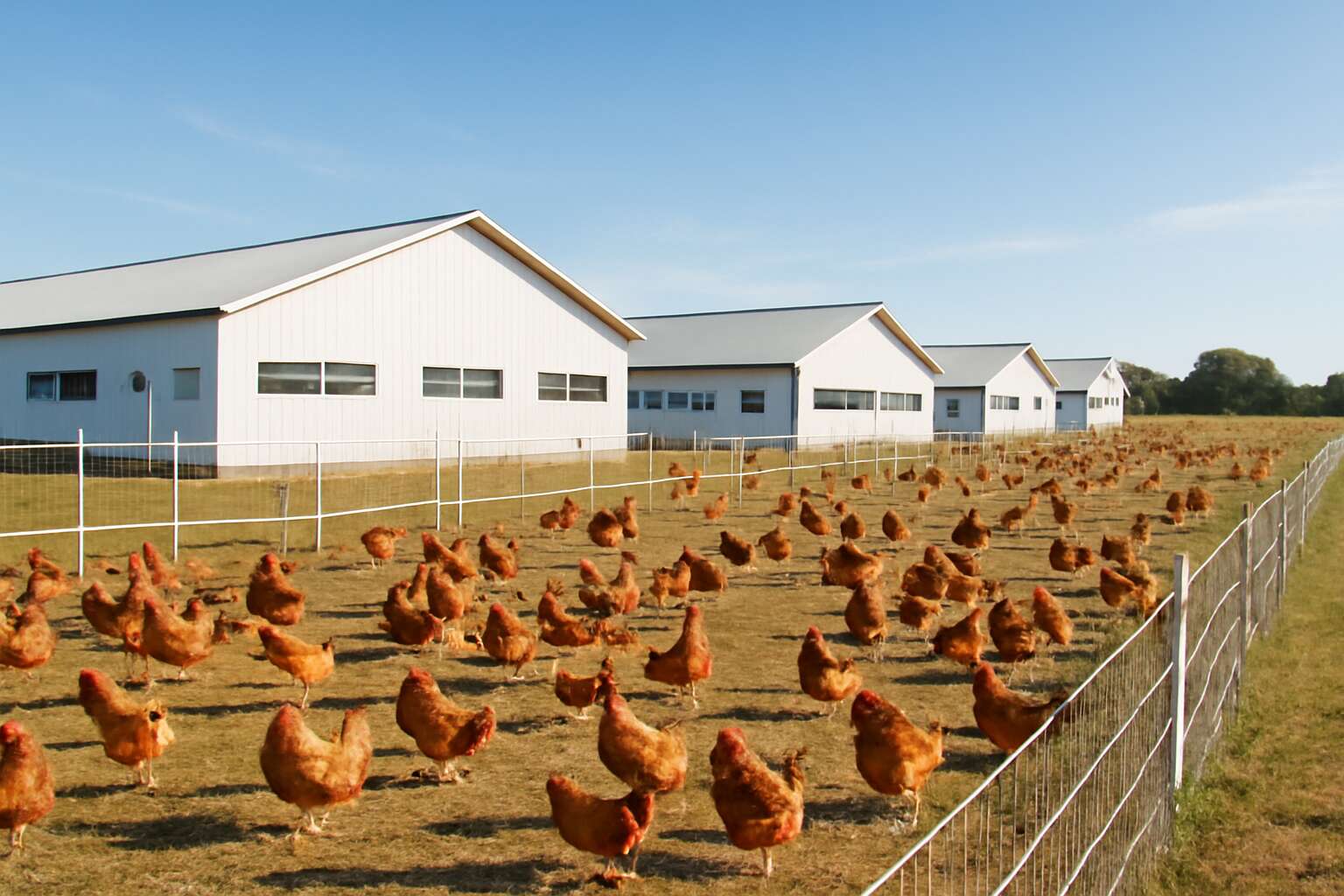
Sunrise spills over the farms in South Africa as the poultry industry in south africa hums with quiet ambition! A multi‑billion Rand engine, it sustains hundreds of thousands of livelihoods and keeps shelves stocked from the Highveld to the Western Cape. A seasoned grower once whispered: every chick is a tiny promise, hatched with care and counted in households across the nation.
Market dynamics hinge on feed costs, disease prevention, and the appetite for affordable protein. The blend of smallholders and integrated producers shapes supply, while local demand holds steady even as global prices flutter.
- Rising demand for affordable protein among households
- Investments in biosecurity, automation and cold-chain logistics
- Export opportunities within SADC and regional markets
Together, these currents sketch a vibrant, expanding market within the poultry industry in south africa, weaving resilience into every rural coop and urban kitchen.
Production and farming practices
Sunrise spills over a long row of sheds where chicks greet the day with quiet peeps. In the poultry industry in south africa, success rides on meticulous production—from climate-controlled houses to well-timed feed and vaccines. A veteran grower once whispered: “each chick is a tiny sunrise,” and that promise travels from rural coops to urban kitchens.
Key farming practices that sustain quality and safety include:
- Biosecurity protocols at farm entrances
- Vaccination and disease surveillance
- Controlled lighting and temperature for optimal growth
- Secure cold-chain handling after processing
Behind the numbers are hands—smallholder families balancing feed costs with care, and integrated farms marrying automation with the warmth of human oversight. The blend of local demand and regional markets nudges this industry toward smarter biosecurity, streamlined logistics, and humane welfare within the birds’ daily routines.
Supply chain and processing
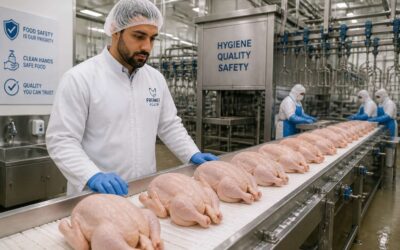
The pulse of the poultry industry in south africa runs through a tightly choreographed supply chain: from hatcheries and breeder flocks to controlled processing floors, to regional depots that feed urban kitchens. I’ve watched the gear shift—satellite-tracked trucks, precise weight checks, and the quiet mercy of the cold chain—that keeps quality intact as products race toward markets!
Behind every bag and pallet lie people and a promise: speed tempered by safety, traceability, and humane handling. Integrated systems weave automation with human oversight, preserving freshness from farm gate to plate.
- Hatcheries and breeder farms integrated to meet demand
- Cold-chain logistics from chilling to delivery
- Processing, packaging, and quality control
- Distribution networks to retailers and foodservice
Policy framework and industry challenges
Across South Africa, the poultry industry in south africa sits at the crossroads of policy and practice, where farmers and processors navigate rules designed to protect public health while sustaining growth. Feed costs, often the largest line item, can account for up to 70% of production expenses, shaping decisions from flock management to plant automation. The policy framework—anchored by the Department of Agriculture, Land Reform and Rural Development, alongside rigorous biosecurity mandates and SABS standards—binds operations with compliance that must be as precise as a weight check on the line. Resilience now means adaptive governance and transparent reporting.
Key policy instruments and hurdles:
- Biosecurity and disease-control mandates demand vigilant surveillance, reporting, and vaccination across farms and plants.
- Trade and import policies shape price dynamics, competition, and local content goals.
- Energy reliability and feed-price volatility strain margins, prompting smarter sourcing and automation.



0 Comments