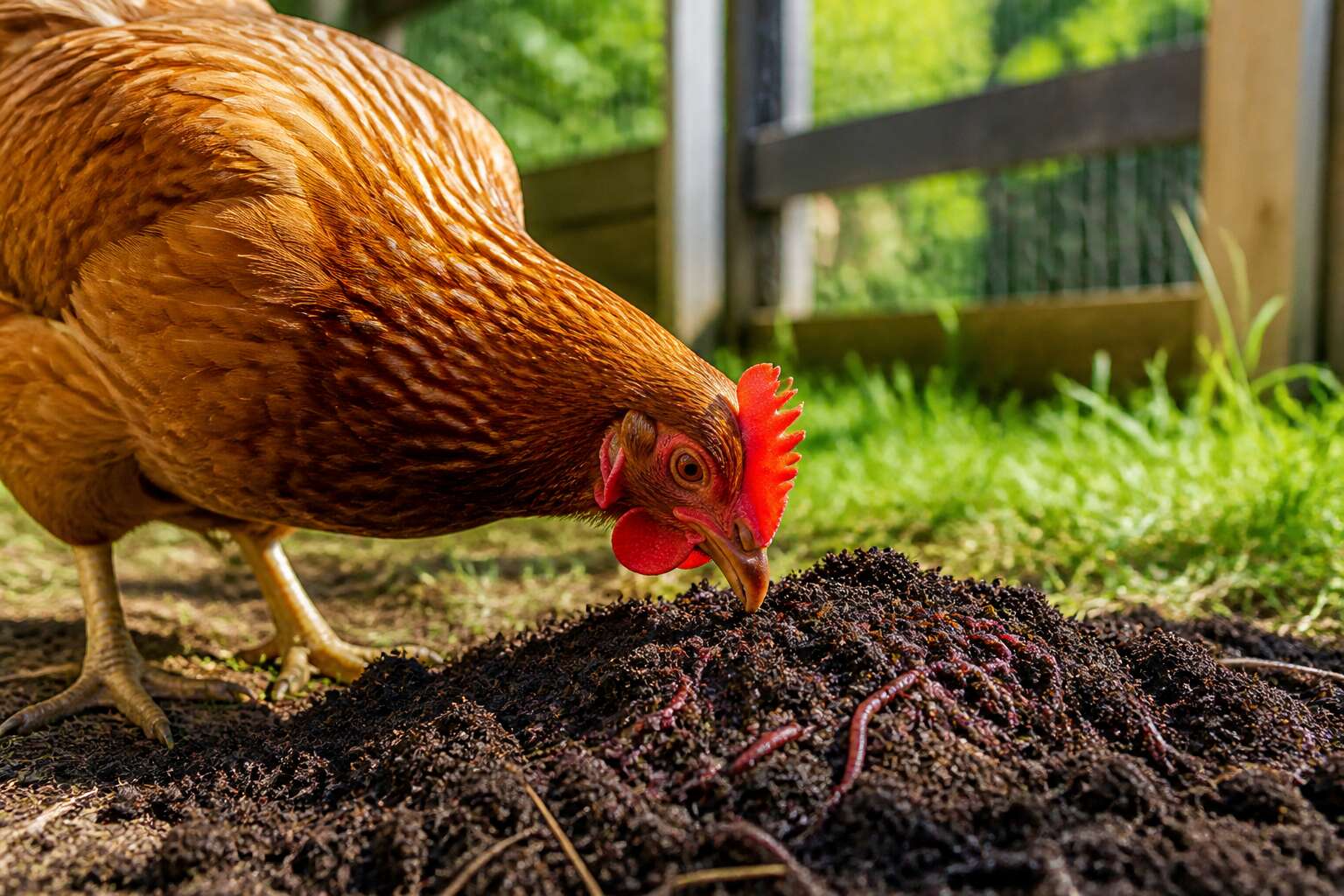
Nutritional Advantages of Worm Protein for Backyard Birds
Essential Amino Acids and Protein Content in Live Worms
In the economy of your backyard, the humble worm is a currency that never devalues. For hens, the quality of their diet translates directly into the quality of their output, and live insects are the gold standard. While grains provide bulk, the protein found in worms offers a complete profile that is often missing in standard mash. It is the difference between mere sustenance and genuine biological thriving.
A primary benefit lies in the specific amino acids present in live worms. These are the building blocks for muscle development, feather production, and enzymatic functions. Most commercial feeds rely on plant proteins, which are often deficient in essential components like methionine and lysine. Verm x poultry regimens that incorporate live worms bridge this nutritional gap with remarkable efficiency, ensuring the birds receive what they need for optimal health. The biological value of this protein is superior, meaning your flock utilises more of it for growth rather than excreting it as waste.
The protein content itself is not just about volume; it is about digestibility. Worms offer a highly bioavailable source of nutrition that supports robust egg production and chick development. To illustrate the key points of this advantage:
– Provides all ten essential amino acids required by birds for bodily functions.
– Delivers a high moisture content that supports hydration, especially in the South African heat.
– Contains enzymes that assist in breaking down other feed components in the gizzard.
This nutritional density supports the flock’s overall vitality in a way that is both efficient and natural. When you observe the glossy feathers and bright combs of birds fed with this approach, you are seeing the tangible result of superior amino acid synthesis. Therefore, incorporating these protein sources into your regular management plan is a practical investment in the long-term productivity and well-being of your poultry, a core principle of verm x poultry.
Comparing Worm Meal to Soy and Fish-Based Feed
Nearly 95% of the protein in worm meal is digestible by poultry, a figure that surpasses most plant and marine sources. Soybean meal often contains antinutritional factors that hinder enzyme activity in the gut. Fish meal, while effective, suffers from availability and price volatility in the South African market. Worm protein offers a stable alternative with a consistent nutritional profile.
The advantages extend beyond simple protein percentages. Consider the role of chitin, a compound found in worm exoskeletons. Chitin acts as a prebiotic, encouraging beneficial bacteria in the crop and gizzard. This biological action reduces the risk of pathogenic overgrowth, a common issue when birds are stressed or overheated. Furthermore, worms naturally contain antimicrobial peptides that bolster the bird’s innate immunity, reducing reliance on prophylactic antibiotics.
- Contains lauric acid, known for its antiviral properties in avian species.
- Offers a calcium to phosphorus ratio that supports strong eggshell formation.
- Provides a lower carbon footprint compared to industrially processed feeds.
The shift toward verm x poultry represents a strategic move for farmers seeking autonomy from global feed markets. A flock receiving this source of nutrition often demonstrates improved feed conversion ratios, meaning they require less input to produce the same output. This efficiency translates directly to the bottom line, making worm protein a financially prudent choice for the discerning keeper.
Effects on Egg Production, Weight, and Shell Quality
Every poultry keeper knows the humiliation of candling an egg and finding a hairline fracture. Not every feed addresses that. With verm x poultry, the shell’s integrity is tied to more than just calcium. The presence of phosphorus in balanced proportion ensures that calcium is mobilized correctly during shell formation, rather than being excreted or leached from bone. Egg weight improves because the hen can allocate protein toward albumen production without scavenging her own muscle tissue for amino acids. That is a quiet but critical distinction.
– Hens on worm supplementation show a marked increase in average egg weight within three weeks
– Shell puncture strength improves due to better mineral deposition
– Yolk color deepens, a sign of enhanced carotenoid assimilation
– Body weight stability is maintained even during peak laying stress
The fatty acid profile in worms supports lipid transport, which matters when a bird is funneling energy into daily ovulation. Observed outcomes point to fewer soft-shelled eggs and a noticeable reduction in prolapse incidents. These are the measurable elements that separate an ordinary flock from a high-yield one.
Gut Health and Digestibility Benefits for Flocks
In the heat of a Highveld summer, a hen’s digestive tract works overtime. Worm protein from verm x poultry bypasses the antinutritional factors found in raw soybeans. These factors, including trypsin inhibitors, force the pancreas to overproduce enzymes and leave protein undigested in the gut. Worms lack these inhibitors. Their protein is already broken into peptides that the villi absorb with ease. This means less ammonia in the litter and fewer coccidiosis flare-ups.
For a backyard flock, that translates into firmer droppings and a more stable microbiome. When the gut wall is not inflamed, the bird allocates energy to feathering and activity instead of repair. That is the quiet efficiency behind verm x poultry.
Starting a Small-Scale Worm Rearing Operation
Selecting the Right Worm Species for Fodder
Starting a worm colony feels less like farming and more like adopting a peculiar, writhing pet. The essentials are laughably simple. You need a container, bedding, moisture, and a steady supply of kitchen scraps. A plastic tub with holes drilled in the lid works beautifully for the urban homesteader. For those with more space, a simple ground pit or a continuous flow-through bin offers a more permanent residence. The key is to avoid waterlogging and provide a habitat that mimics the damp, dark conditions of a forest floor.
The real decision comes in the species selection. Not every worm is a glutton for organic waste. The humble earthworm, for instance, prefers to live in the soil, not in your compost heap. For a successful operation, you must focus on specific breeders. The Eisenia fetida, or red wiggler, is the undisputed champion of the bin. The Dendrobaena veneta, often called the European nightcrawler, is another excellent choice. It is larger, hardier, and offers a substantial meal for your flock.
The term “red wiggler” is often misused, so confirm your supplier’s stock. A genuine feeder colony should show a high tolerance for temperature swings. In the South African climate, be mindful of the heat. A shaded location is vital to prevent a mass escape or, worse, a silent cook-off. The Perionyx excavatus, a tropical species, is popular here but demands warmer conditions, making it a riskier venture for the highveld winters.
> When choosing your worms for fodder, consider these traits:
> High reproductive rate: Can the colony double its population quickly?
> Tolerance for handling: Can they survive being harvested and fed out?
> Protein content: Does the species provide a robust nutritional profile?
> Feed conversion: How much waste do they need to produce a kilo of worm biomass?
For poultry, the goal is to produce a continuous, live protein source. The European nightcrawler is particularly robust for this, as it survives longer in the feeder dish, giving your chickens a more vigorous hunting experience. The red wiggler is easier to culture in shallow bins, but it can perish quickly if left in the sun. Your choice dictates your daily management routine, so select the species that aligns with your time and climate constraints. A thriving colony is a quiet engine, converting vegetable peelings into a high-octane feed that keeps your flock’s feathers glossy and their combs a deep, healthy red. The payoff is watching your birds with a feast of protein, a resource that no commercial feed can replicate, and it is the very heart of the verm x poultry philosophy.
Bin Setup, Bedding Materials, and Moisture Control
Starting a small-scale worm rearing operation begins with the bin. Plastic tub, no deeper than thirty centimetres, offers enough surface area for oxygen exchange. Drill holes in the lid and sides.
Bedding materials matter more than the container. Shredded newspaper, cardboard, and coconut coir form a carbon-rich matrix. Add a handful of garden soil for grit and bacteria. Worms need this medium to burrow and digest. Moisture control is the singular discipline. Bedding should feel like a wrung-out sponge. A spray bottle helps maintain equilibrium. For verm x poultry, this is the line between protein and rot.
If you can squeeze out a drop, you are close. If it drips freely, you have waterlogged the bin and suffocated the operation. Check for sour odours and worms clustering at the top. These are the quiet signals of imbalance. Ritual of adjustment is the essence of verm x poultry.
Feeding Schedules and Harvesting Techniques
A mature worm culture consumes half its body weight daily, no small number. That hunger demands a precise feeding schedule. Offer scraps only after the previous layer disappears. Bury food in alternate corners. If leftover waste smells sour, you have overfed. For verm x poultry, this cadence is the difference between steady harvest and system collapse.
Fresh bedding changes every three weeks keep the bin aerated. Harvest castings using the migration method:
- Push all material to one side.
- Place fresh food in the empty side.
- Wait three to four days.
- Scoop out the worm-free castings.
This technique preserves breeding stock while extracting nutrient-rich vermicompost. The worms you harvest become live feed. The castings enrich pasture soil. Both streams support a closed-loop approach to verm x poultry production.
Scaling Production to Match Flock Size
The proudest claim in small scale worm farming is always the same: “I started with a thousand worms.” Nobody brags about the thousands they lost to dehydration or the bins that soured. The truth about verm x poultry is that scale follows discipline, not desire.
The correct starting point is a bin that matches a fraction of your feed requirement. Municipal plastic baths, roughly 40 liters, hold about a kilogram of worms. That mass processes about 500 grams of scraps daily. This is roughly enough to supplement ten hens twice a week. More than that at the start invites the sour failures that kill beginner operations.
Scaling follows a simple rule:
1. Let the worm population double before adding a new bin.
2. Verify the existing bin finishes its feeding layer within three days.
3. Only then split a third of the population and bedding into the fresh container.
This cadence takes eight to twelve weeks. But it builds a population that is locally adapted and robust. The feed input grows with the worms. The only limit is your access to bedding and food scraps. If both are plentiful, you push the split faster. If input is scarce, you hold population steady. This is how verm x poultry removes guesswork from your production target. The system becomes a simple supply equation. The farmer controls the variables.
Troubleshooting Odors, Pests, and Die-Offs
The quiet tragedy of any worm operation is not the sudden collapse, but the slow, sour death spiral that follows a single, heavy feeding. The unmistakable reek of ammonia or rotting fruit is the bin’s final, desperate plea for intervention. That stench is your first signal that the microbial balance has tipped, and the entire system is now working against you. You are not just managing worms; you are managing a microbial culture that is either thriving or failing in silence.
Troubleshooting begins with the nose. When that putrid note arises, you must immediately stop adding new material and aerate the bedding deeply. Pests, such as mites and fruit flies, are not the invaders but the opportunists, arriving to feast on the undigested matter you have supplied. Their presence indicates a feeding rate that outpaces the breakdown cycle. Die-offs are rarely a single event but the cumulative result of ignoring these earlier warnings.
– Remove the decomposing feed layer and bury fresh scraps in a new, isolated pocket.
– Add dry, carbon-rich bedding, like shredded cardboard, to absorb excess moisture and restore airflow.
– Check the bin’s drainage; a pool at the base is a silent killer.
The true skill in verm x poultry is the discipline to observe daily, to adjust the inputs before the smell ever reaches your nostrils. The system will always tell you its story through its texture and scent. Your job is to listen before the story turns to tragedy.
Incorporating Worm-Based Protein into a Balanced Poultry Diet
Recommended Inclusion Rates for Different Poultry Stages
Since we last talked about the essential amino acid profile of live worms, and how that translates to better shell strength and daily weight gain, the practical question always turns to the feed trough. How much of this black soldier fly larva or red wiggler should you actually mix into the mash? It is a delicate balance, one that a farmer in the Free State learns through observation as much as through calculation.
For most commercial layers, a safe window sits between 3% and 5% of the total daily ration when using dried worm meal. You might find that pushing that number higher reduces the need for imported soy, but it also changes the texture of the feed. The birds notice, and they will often leave the fines at the bottom of the feeder if the mix is too dusty.
A simple guideline for the homestead flock looks like this:
– Starting chicks: keep the inclusion rate under 2% to avoid rapid growth that stresses the legs.
– Growing pullets: a 5% addition supports feathering and skeletal development without excessive fat.
– Laying hens: maintain 4% to 6% during peak production for sustained yolk color and shell integrity.
– Broilers in the final two weeks: a 7% boost can finish the bird with a deeper muscle tone.
The real art comes in the shift between those stages. A hen that is molting loses her appetite, so you might reduce her worm intake to keep her eating the basal grains. Likewise, a young cockerel that is too eager at the feeder will put on visceral fat, which is a waste of your verm x poultry investments. I have seen farmers succeed by hand-mixing a weekly batch and adjusting the ratio based on what the coop tells them. If the droppings turn loose, dial it back. If the eggs crack under pressure, add a little more. That is the sensor you trust.
Pairing Worms with Grains, Greens, and Grit
Pairing worm-based protein with the right partners transforms verm x poultry feed into a complete diet. Grains provide the carbohydrate foundation, while fresh greens supply vitamins that support bone density and feather condition. Grit plays the mechanical role, breaking down fibrous plant matter so the digestive system can extract every nutrient. Without this trio, even the best worm meal loses value.
A practical template for a 10 kilogram batch:
- 4 kg cracked maize for energy
- 2.5 kg dried worm meal for protein
- 2 kg chopped amaranth or spinach
- 1.5 kg coarse grit for grinding
Hand mixing each week keeps ingredients fresh and allows adjustment based on what the flock shows you. The result is a ration where verm x poultry protein works in partnership with other feedstuffs, not in isolation.
Using Worms as a Supplement Versus a Primary Staple
When frost cracks the Karoo dawn, a flock’s nutritional ledger shifts. Relying on worms alone courts disaster; a frantic protein spike now breeds deficiency later. The superior approach is temperance. Supplementation lets you wield worm meal as a scalpel, correcting seasonal deficits without sacrificing maize’s steady energy. Consider the immediate cues: feathers dulling, combs paling, or a sudden drop in foraging vigor indicate the moment to increase the protein fraction.
A measured addition of dried meal to the evening mash offers several practical advantages over a full staple swap:
– Allows for finer control over daily calcium and phosphorus intake.
– Reduces the risk of metabolic stress from sudden nutrient overloads.
– Maintains a stable feed cost profile when worm harvests fluctuate.
The art lies in reading the run. A primary staple demands unerring consistency. A supplement rewards observation. When the flock tells you it needs more, you answer with a handful; when it does not, you hold back. This is the essence of verm x poultry management, where the alchemy of balance outweighs the temptation of excess, ensuring each bird thrives on what you provide, not what you force. South African flocks, with their rugged heritage, respond best to this patient calculus.
Cost-Effective Feeding Strategies for Mixed Flocks
In South Africa, the profit margin equation for mixed flocks often comes down to protein cost per kilogram. Worm farming offers a direct hedge against soybean and fishmeal price volatility, but only when managed with a clear economic view. The magic is not in replacing every bag of feed, but in strategic substitution. By raising a steady supply of worms and mixing them with your base grains, you soften the blow of rising commercial feed prices without sacrificing daily nutrition.
Consider a cost-effective approach that combines homegrown protein with bulk staple ingredients. One workable model uses a base ration of maize and sunflower cake, then layers in worm biomass to reach the target protein level. This method allows you to purchase fewer expensive premixed concentrates and instead direct your budget toward quality grains. The result is a more resilient feeding system that bends with the market. Practical farmers often see that a harvest of 500 grams of worms per day can cover the protein deficit for a small mixed flock of 20 birds, reducing monthly feed expenditure by a meaningful margin.
– Lower transportation costs, since the protein source is produced on site.
– Less dependence on supply chain disruptions for commercial feed.
– A natural boost to flock condition during peak laying or growth phases.
The economics shift when you scale. A mixed flock with roosters, hens, and growers has different protein needs at each stage. A single feeding strategy fails this group. By keeping worm production steady and blending it into separate troughs at different inclusion rates, you control the budget with precision. The verm x poultry approach, when applied this way, becomes a tool for feed cost management, not just nutrition.
Transitioning Chicks, Layers, and Broilers Safely
Rushing a diet change for poultry is a fast route to sour crops and foul moods. Transitioning to worm-based protein requires a measured approach. Begin with a 5% inclusion rate mixed into the morning feed. Observe droppings and appetite over two days before increasing.
Chicks need smaller particles and slower increments. Layers might show a temporary dip in egg production, which corrects itself within a week. Broilers adapt quickly, but a sudden switch can trigger pasty vents.
- Offer worms early in the day for better digestion.
- Blend worms thoroughly into the base grain to prevent picky eaters.
- Keep clean water accessible, as protein increases thirst.
The verm x poultry strategy succeeds when each stage gets its own timeline. Gradual adjustments keep the flock steady and the feed bill stable.
Seasonal Adjustments to Worm Feeding Regimens
If your chickens could talk, they would probably file a formal complaint about the weather. It affects their appetite, their digestion, and their general willingness to cooperate. Adjusting the verm x poultry formula for the seasons is less about coddling and more about common sense. A scorching Highveld summer makes feed ferment faster in the trough, which can turn a healthy snack into a sour stomach situation. You want to reduce the amount left out during the heat and switch to offering the worms in the cooler morning hours.
Winter brings a different beast entirely. The flock burns more calories just to keep their core temperature up, so they need that extra protein punch. This is the time to increase the fat content slightly by mixing in more mature worms with their grain. The cold also slows down the worm activity in the bins, so you will have to plan your harvests differently to maintain supply. Here are the key adjustments to manage:
- Increase the protein percentage in the feed during the cold months to support feather growth and heat generation.
- Decrease the overall portion size in summer, but feed more frequently to prevent spoilage in the sun.
- Add electrolytes to the water during heatwaves to encourage drinking, since the drier feed will require more hydration.
The moisture level in your base mash needs a seasonal check as well. A wet mash with worms is a paradise for bacteria in February, but in July it can freeze before the birds get a proper peck in. You have to balance the water content to match the ambient temperature. This seasonal dance is crucial for maintaining the metabolic balance of the flock, ensuring they use the protein for growth and not just for coping with the thermometer. Keeping the regimen fluid is the secret to a steady flock all year round.
Health Risks, Biosecurity, and Safe Handling Practices
Pathogen and Parasite Risks from Raw Worms
Raw worms carry a hidden ledger of pathogens. Salmonella, Campylobacter, and internal parasites cling to their cuticles from contaminated bedding. The cost of ignoring this is an outbreak that decimates your flock. I have seen clean setups turn sour in days, and the regret is always silent.
Biosecurity starts with isolation. Keep worm bins away from coops and water sources. Use dedicated tools for harvesting. Never feed worms collected from wild soil, as these often contain larvae that infect poultry. For verm x poultry systems, treat raw worms as you would raw meat.
- Wash hands and tools before and after handling worms.
- Source worms from reputable suppliers who test for pathogens.
- Quarantine new worm batches for 48 hours before feeding.
Safe handling practices are not optional rituals. They form the boundary between nutrition and catastrophe. When integrating verm x poultry into a daily regimen, respect the invisible risk. This discipline keeps your birds breathing and your conscience clear.
Preventing Contamination in Worm Beds
Contaminated worm beds turn a nutritious feed into a liability. Health risks climb when bedding stays wet or overheats. Bacterial loads multiply, and your flock pays the price. For verm x poultry systems, the bed itself becomes the first line of defense.
Biosecurity starts with separation. Place worm bins away from poultry housing and runoff paths. Use dedicated tools only for worm maintenance. Never let wild birds or rodents access the bedding, as they introduce fecal matter.
- Check moisture levels weekly; aim for a damp sponge feel.
- Turn bedding every few days to prevent anaerobic pockets.
- Remove uneaten feed scraps before they rot.
Safe handling practices prevent contamination from spreading. Wash hands and tools between bin work and feeding time. Quarantine any new substrate before adding it. Clean spills immediately.
Proper Storage, Processing, and Shelf Life
For every South African poultry farmer, the difference between a thriving flock and a costly setback often boils down to what happens after the worms leave the bin. Verm x poultry systems reduce reliance on commercial feeds, but they introduce new variables into your daily routine. If you harvest worms and immediately toss them into the feeder without a second thought, you might be inviting trouble. Uncooked worms, processed carelessly, can harbor spoilage bacteria that multiply within hours under the Transvaal sun. The shelf life of fresh worms is frighteningly short, around 24 hours at room temperature. You expect a protein boost, but you get a batch of sick hens instead. The feed value drops the moment the worms die and begin to decompose. I have seen smallholders lose an entire laying cycle because they treated worm meal like a grain that could sit in a bag for a month.
Biosecurity must start long before the worms hit the trough. Your hands, your scoop, and your storage crates are all vectors. If you use the same spade for the compost heap and the feed room, you are cross contaminating everything you touch. Wild birds and rodents will find a poorly sealed worm bin before your chickens do. Their droppings carry pathogens that no amount of gut health in your hens will overcome. I keep my worm harvest equipment separate from my poultry feeding gear, and I wash both with hot water and vinegar between uses. The bedding itself holds moisture, and moisture is the enemy of a clean protein source. You cannot assume the worms are clean just because they look wriggly and fresh. They live in soil, and soil carries Clostridium and E. coli.
Proper storage turns a risky product into a reliable staple. You must decide whether you are feeding live worms within the day or processing them for later use. For immediate feeding, keep live worms in a shallow tray with dry bedding and no free water. For longer storage, I recommend baking the worms at a low temperature, around 70 degrees Celsius, until they are brittle. This pasteurization step kills surface pathogens and extends shelf life to several weeks if kept in an airtight container. Do not skip the drying process, as residual moisture creates an environment for mold. I have found that a simple solar dehydrator works wonders in the Karoo, where the sun is relentless. When you process a batch, aim for a uniform crumble texture and test a small sample for any sour smell before mixing it into the feed.
Follow a strict schedule for your own peace of mind. Scrub buckets with a diluted bleach solution after every harvest, and store processed worm meal in glass jars or food-grade plastic with tight lids. I label every container with the date and the species of worm, because red wigglers and tiger worms have different nutrient profiles. A cool, dark pantry beats a warm kitchen shelf every time. If you notice any clumping in your stored meal, it is moisture intrusion, and you should discard that batch immediately. The chickens will not tell you the feed is off until they stop eating it. Trust their instincts and your nose.
A simple checklist keeps me honest:
1. Harvest worms in the early morning when temperatures are mild.
2. Rinse the worms briefly to remove loose substrate.
3. Dry them thoroughly or process them immediately.
4. Store in a sealed container away from direct sunlight.
5. Use within two weeks for best nutritional value.
The cost of carelessness is high, but the path is simple. Treat the worm as a fresh product, not a pantry item. That discipline will serve your flock better than any supplement bag ever could. Verm x poultry depends on your consistency, not just the quality of the worms themselves. I have seen many farmers fail because they skipped the drying step or left a bin open overnight. Respect the process and your hens will reward you with steady laying and firm shells. One bad batch can set you back months, so let the small rituals of cleaning and storage become your daily rhythm. In the end, the worms are only as good as the hands that handle them.
Signs of Overfeeding or Nutritional Imbalance
The promise of a protein-rich feed can sour quickly into a health crisis. Verm x poultry operations hinge on the uncomfortable truth that a worm is a living creature, not a sterile pellet. When hens gorge on fresh worms, they ingest the entire microbial load of the worm’s gut and the substrate it lived in. Salmonella and Campylobacter do not announce their presence with a visual cue. A flock can appear robust for days while shedding these pathogens into your egg cartons. Overfeeding makes this worse. A hen’s digestive system is not designed for an exclusive protein diet. When the crop and gizzard are overwhelmed, the undigested protein ferments in the gut, causing a condition known as sour crop. You might notice a distinctive, yeasty odour on the bird’s breath or a distended crop that feels like a water balloon. This imbalance also depletes calcium reserves, leading to soft-shelled eggs, a clear symptom of a ration gone awry.
Biosecurity is a matter of geographic separation. The worm bin attracts flies, and those flies also enjoy the chicken run. This creates a circular route for pathogens that no amount of hand washing can fully interrupt. I keep a dedicated pair of rubber boots for the worm facility and change into different footwear before entering the coop. This simple act prevents the physical translocation of contaminated bedding across your property. Safe handling practices extend to the feeder itself. A trough that holds live worms for hours will accumulate moisture from their bodies, creating a breeding ground for bacteria. You must observe the flock after introducing a new batch. The signs of trouble are often subtle; increased water consumption, a drop in egg production, or a change in droppings from firm to pasty.
Here are the critical signs of overfeeding or deficiency to monitor:
– Slowed growth despite high intake, indicating poor protein digestion.
– Feather pecking, which often signals a methionine deficiency masked by excess protein.
– Consistently pale egg yolks, a marker of reduced feed variety.
– Lethargy within an hour of feeding, which suggests a heavy meal the birds cannot process quickly.
– Off-colour, watery droppings that contain visible pieces of worm skin.
The balance is a delicate act of observation. Worm meal is a supplement, not a replacement for balanced nutrition. If your hens refuse a fresh batch, do not force the issue. Respect the flock’s palate and reassess the moisture content of your offering. The nutritional profile of worms changes with their diet, so a batch fed on high-nitrogen bedding will yield a different result than one fed on dry cardboard. Tracking these variables is the real skill in a verm x poultry system. The health of the flock is the only statistic that matters, and it will tell you if your protocol is sound or if you have created a vector for disease. Consistency in handling, observation, and portion control is the true safeguard against the silent failures of protein supplementation.
Economic and Environmental Impact of Worm-Based Feed
Reducing Household and Farm Organic Waste Through Vermiculture
South African poultry keepers face rising feed costs. A kilogram of commercial layer mash now rivals the price of human staples. Yet the solution to this squeeze may lie in the organic waste we discard daily. By establishing a vermiculture system, households and farms convert kitchen scraps and manure into a high protein feed source, simultaneously lowering their expenditure on commercial rations. This practice directly supports the economics of verm x poultry operations, turning a disposal liability into a valuable on farm asset.
The environmental benefits are equally significant. Organic matter sent to landfills decomposes anaerobically, generating methane, a potent greenhouse gas. Feeding that same material to worms avoids that release and produces a nutrient rich castings byproduct. This worm castings can be sold or used to enrich garden soils, closing a local nutrient loop that reduces reliance on synthetic fertilizers.
The financial logic becomes apparent when you compare input costs:
– Collecting waste from your own kitchen or local market is free.
– A productive worm bin processes about half its weight in waste daily.
– Harvesting a kilo of worms costs a fraction of producing a kilo of soy based meal.
– The resulting castings have their own market value.
Adopting this model requires a shift in mindset, viewing waste as a resource rather than a problem. For the smallholder and the commercial farmer alike, the integration of worm farming into poultry care offers a tangible reduction in operational waste and a measurable improvement in feed security. This localised approach to protein production is a practical step toward a more self reliant agricultural system in South Africa.
Cost Comparison Against Commercial Protein Feeds
Commercial poultry feed prices in South Africa have climbed by nearly 40% in three years. That figure makes the economic case for worm based protein impossible to ignore. When I compare a kilogram of live worms to a kilogram of soy based meal, the difference is stark. Worms convert waste into protein on site, while soy meal carries transport and processing costs. For the verm x poultry farmer, savings multiply across the flock. Consider the comparisons:
- A worm bin processes kitchen scraps and manure at no input cost.
- Harvesting worms requires labour but no fuel or synthetic inputs.
- Worm castings generate an additional income stream.
Environmental impact is compelling. Commercial protein production depends on intensive agriculture and long supply chains. Worm farming localises protein generation, lowering the carbon footprint per egg or kilogram of meat. The verm x poultry operation turns a cost centre into a self sustaining resource.
Sustainability and Carbon Footprint Benefits
The cost ledger tells only half the story. The true revolution of verm x poultry lies in what it subtracts from the atmosphere and the industrial pipeline. Each kilogram of worms raised on site is a kilogram of soy that never crossed the ocean, and a ton of manure that never sat rotting in a landfill. When I walk past a silent worm bin and then past the feed silo, the contrast is stark. One requires a constant influx of capital and logistics. The other simply digests. This localised protein generation dismantles the long supply chains that choke conventional farming with hidden environmental taxes.
The carbon footprint of a single egg is largely determined before it reaches the nesting box. With verm x poultry, that footprint shrinks dramatically. Food scraps are diverted from waste streams where they would generate methane, and are instead converted directly into high quality protein. Consider the sequestration in the castings left behind. It is a closed loop, a cycle that turns waste into value with startling efficiency.
– Reduced reliance on fossil fuel intensive soy cultivation.
– Elimination of transport emissions for feed imports.
– Lowered methane output from organic waste decomposition.
The immediate benefit is a lower feed bill, but the enduring benefit is a system that breathes with less effort. Each tray of worms is a small engine of sequestration, converting the very waste we discard into a resource that feeds the flock and feeds the soil. It is an operation that pays its dues to the earth before it pays the farmer.
Closing the Loop with Local Composting Systems
When a farm turns its own kitchen scraps into worm protein, the money never leaves the property. The verm x poultry model shifts feed costs from a volatile global market to a steady, local loop. That is where the real savings hide.
In my experience, local composting systems transform what would be a disposal expense into a nutrient stream. The environment wins because fewer trucks haul feed and waste. The budget wins because every kilogram of worms costs only the labour of turning a bin! Consider the effect on smallholdings:
- Feed expenditure drops as worm biomass replaces imported proteins.
- Organic waste no longer attracts tipping fees.
- Soil health improves with castings, reducing fertiliser purchases.
The result is a poultry operation with fewer external dependencies. This approach thrives on the quiet economy of leftovers.

0 Comments