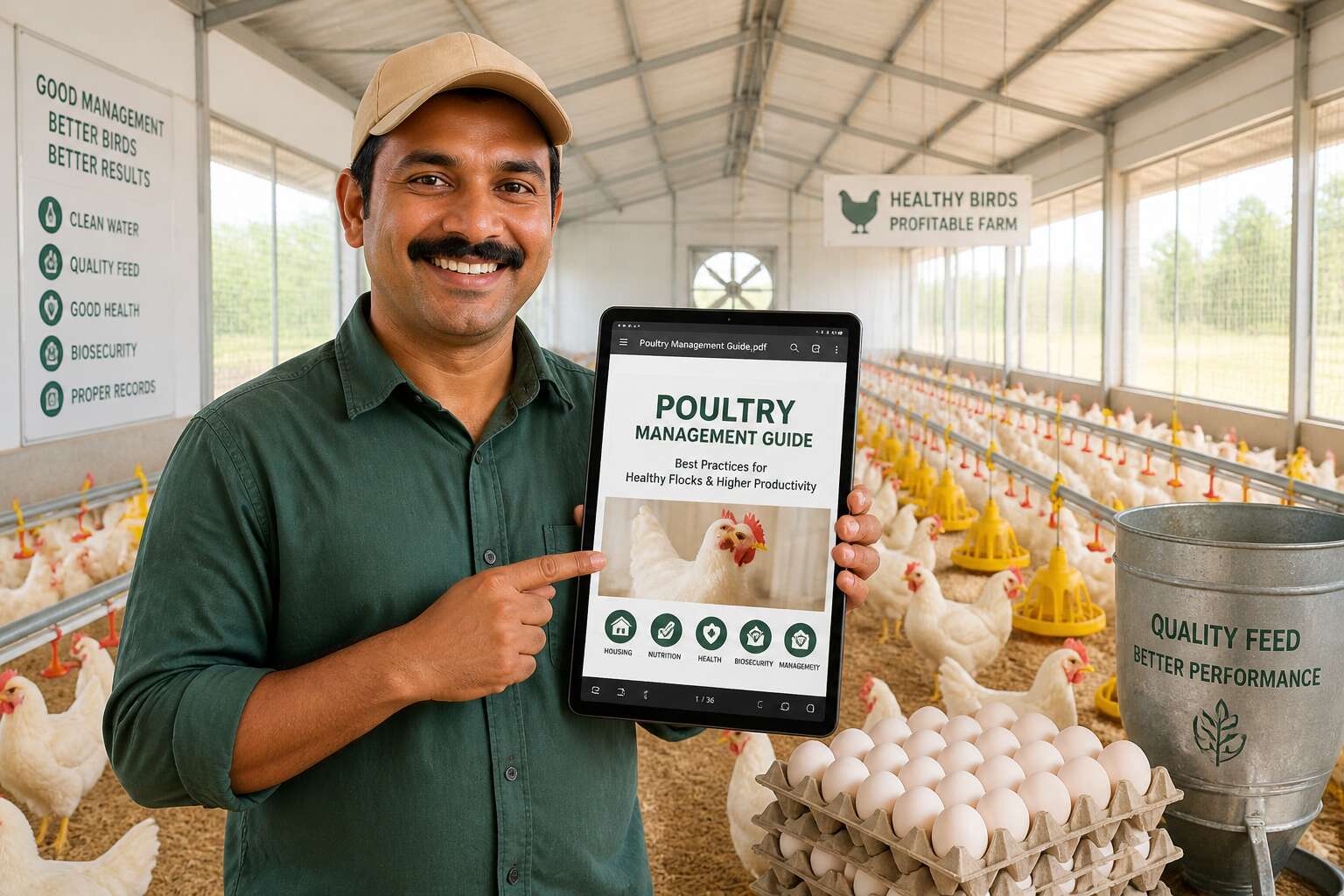
Understanding Poultry Farming Basics
Choosing the Right Poultry Species
Nearly 70% of South African households have some hand in poultry, either through backyard coops or commercial operations, and the demand for ethical, locally sourced protein continues to climb. This explains the surging interest in securing a poultry farming for beginners pdf that cuts through the noise. The allure is not merely economic; it is the tangible satisfaction of watching a day old chick transform into a productive layer or a table ready broiler. Yet, the fundamental chasm between a thriving operation and a disastrous one often lies in the foundational decisions made in the first thirty days.
The initial hurdle is often a misunderstanding of the term “easy.” Poultry is not an enterprise where effort is optional. It is a study in precision, where temperature variances of even two degrees can precipitate a cascade of health issues. When you begin your research, a comprehensive poultry farming for beginners pdf should guide you through the nuanced art of brooding. This phase demands vigilance; the chicks rely entirely on your ability to simulate the warmth of a broody hen. A stable thermal environment is the rudder that steers them away from coccidiosis and pasty vent, which are the twin spectres of sloppy husbandry.
Choosing the Right Poultry Species
Once you have mastered the concept of environmental control, your next, more existential choice is the species itself. This selection is not a casual preference but a strategic alignment with your resources and your market. For the South African context, the decision is profoundly practical.
– Broilers (e.g., Ross 308): These are the efficiency machines, engineered to convert feed into muscle mass at an astonishing rate. They reach market weight in roughly six weeks. However, they demand high quality feed and impeccable biosecurity; they are not foragers and will suffer if allowed to free range.
– Layers (e.g., Hy-Line Brown): These birds are the economic engines of the egg market. They have a longer lifespan and require a calcium heavy diet to maintain shell integrity. Their ROI is a marathon, not a sprint, dictated by the fluctuating price of a dozen eggs.
– Dual Purpose (e.g., Venda or Ovambo): Often recommended for the beginner with limited capital, these indigenous breeds are hardy and can scavenge. They exhibit strong maternal instincts and resist disease better than their commercial counterparts, though their production output is significantly lower.
Understanding these distinctions is crucial. A mistake here can cost you months of labour. Do not simply look for a poultry farming for beginners pdf that lists breeds; look for one that explains the why behind each category. Your local climate, the cost of feed in your province, and the proximity of a reliable abattoir should dictate your choice far more than any emotional inclination.
Ultimately, the beginner who succeeds is the one who respects the biological realities of the bird. The commercial hybrids are unforgiving, while the indigenous are resilient but less productive. It is a delicate balance of input versus output. When you finally find a resource, perhaps a poultry farming for beginners pdf that details these physiological requirements, you will realise that the bird is not a passive recipient of your care. It is an active participant in a symbiotic relationship, one that demands your constant attention to the minutiae of its existence. Every gram of weight gained or every shell laid is a direct consequence of the fidelity of your management.
Selecting a Suitable Location
Understanding the basics starts with the land itself. The South African veld and the urban backyard present different constraints. Drainage, prevailing winds, and the distance to neighbours all matter. A low-lying patch may flood during summer thunderstorms, turning the coop floor into a muddy hazard.
A proper poultry farming for beginners pdf will stress the value of a north facing slope. That orientation catches winter sun and dries the ground faster. Location also dictates feed storage. Bags left on the ground will draw moisture and rodents!
Consider these site essentials:
- Access to clean water or a reliable borehole
- Stable soil that drains well after rain
- Shade from Acacia trees or a constructed roof
- Security fencing against jackals, dogs, and theft
The ground beneath the birds affects their health directly. Ignore it, and disease will follow. A good poultry farming for beginners pdf covers these site fundamentals.
Legal Requirements and Permits
In South Africa, the dream of self-sufficiency often begins with a handful of day old chicks, but the paperwork should come before the poultry feed. The Agricultural Product Standards Act and municipal zoning bylaws are the gatekeepers here. A simple backyard coop in Johannesburg might only need a basic health clearance, while a commercial operation in the Free State requires full registration with the relevant provincial authority. Ignoring these steps can lead to fines or the culling of your entire flock, a devastating loss for any new farmer.
Securing the correct permits is not just bureaucratic red tape. It is a safeguard for the entire South African poultry industry. These regulations monitor diseases like Avian Influenza, which can devastate livelihoods overnight. A poultry farming for beginners pdf will often emphasise that you must register with the local veterinary services before your first egg even arrives. This process ensures that you understand the biosecurity protocols necessary to protect your investment. The permits themselves are straightforward, but they demand diligence and a proactive approach. They are your formal entry ticket into a sector that feeds the nation.
Determining Your Production Goals
A production goal is the first decision that outranks breed choice or coop design. I have watched too many South African beginners buy chicks on impulse, then discover the mismatch between egg output and family appetite. A poultry farming for beginners pdf will tell you to define your intent, whether it is 20 eggs per week or a weekly table bird, before anything else.
- Count the mouths you will feed daily.
- Estimate your weekly budget for feed and supplements.
- Decide if surplus will be sold, shared, or stored.
Those three answers set the flock size and the management style. Basic targets, like one hen laying roughly five eggs per week, keep planning honest. When you know whether your goal is eggs or meat, the daily routine becomes simpler. That clarity defines the difference between a hobby and a viable operation.
Setting Up Your Poultry Farm
Designing Coops and Housing
For every beginner, the coop is the quiet foundation of success. South Africa’s diverse climate demands thoughtful design. Start with solar orientation: place the longest side facing north to capture winter warmth and reduce summer heat load. Use cavity walls or sandbags for thermal mass to moderate temperature swings.
Ventilation proves critical. Install roof vents above perches, ensuring airflow without direct draughts on sleeping birds. Predators like the Cape cobra and caracal respect strong wire. Use 19mm welded mesh for all openings.
Housing density matters. Provide at least 0.5 square metres per hen inside the coop and 4 square metres of outdoor run. Consider these parameters:
- Perch length: 30 centimetres per bird
- Nest box size: 30 by 30 by 30 centimetres
- Roof pitch: 15 degrees for water runoff
Nesting boxes, one per five hens, should sit low and dark. A poultry farming for beginners pdf often lists materials like galvanised steel and treated pine. Raised flooring prevents damp and rodent burrowing. Rainwater gutters channel moisture away, while a shaded western side protects against harsh afternoon sun.
Essential Equipment and Supplies
Setting up your poultry farm requires equipment that matches your production goals. A poultry farming for beginners pdf will stress the basics: reliable feeders, drinkers, and storage containers. Look for bell drinkers or nipple systems to reduce spillage, and choose troughs that are easy to clean. In South Africa, galvanised steel bins keep feed safe from rats and weevils. An infrared lamp provides warmth for chicks in colder provinces like Gauteng or the Western Cape. Keep a thermometer in the brooder and a digital scale for tracking growth. You will also need:
- Egg baskets with padded bottoms
- Sanitising spray for boots and tools
- A sturdy wheelbarrow for litter removal
Lighting timers extend winter daylight hours, boosting egg production without overstressing birds. Store feed on pallets, not the floor. Regularly inspect your equipment; worn parts cause waste and disease. Start simple, then expand.
Ventilation and Climate Control
Ventilation and climate control separate thriving flocks from struggling ones. South Africa’s temperature extremes demand constant attention. A poultry farming for beginners pdf will tell you to monitor humidity, but the real art lies in balancing airflow without creating drafts. Open ridge vents and side curtains allow stale air to escape while keeping chicks warm. During Highveld thunderstorms, sudden drops can stress birds. Install thermostats and automatic louvres to respond faster than human hands. Most poultry farming for beginners pdf guides omit this nuance. Consider the following conditions when adjusting your system:
- Relative humidity above 70 percent encourages fungal growth
- Ammonia concentration becomes noticeable to the human nose at 25 parts per million
- Air speed should remain below 0.3 metres per second for young birds
Birds panting or huddling signal a need for adjustment. Small changes in vent opening size create dramatic shifts in air quality.
Biosecurity Measures
One contaminated boot can destroy an entire flock. I witnessed this on a Free State farm, where a visitor’s tyre brought Newcastle disease. Biosecurity demands ruthless consistency, not luck.
Your perimeter is a physical barrier. Separate clean and dirty zones. Enforce a strict rule: no contact with outside birds or shared equipment. Set up these checkpoints:
- Disinfectant footbaths at all entrances
- Dedicated boots and overalls per house
- Rodent control, because rats spread Salmonella
New stock requires quarantine for at least three weeks. Skip this and you expose your entire operation! South Africa’s wild bird populations and informal markets increase infection pressure. A thorough poultry farming for beginners pdf covers the basics, but few explain how local conditions change the risk profile.
Lighting and Temperature Management
Lighting and temperature are silent arbiters of flock performance. In South Africa’s highveld, a 20 degree Celsius daily swing can stress young birds within hours. I learned this when my first broiler batch huddled despite a working heater.
Use a brooder guard to create a warm core. Start at 32 degrees for day old chicks, then reduce by 2 degrees each week! Light cycles drive feed intake, so give 23 hours of light for the first week, then taper gradually.
- Thermostat controlled heater, not guesswork
- Measure temperature at bird height
- Scattered chicks mean comfortable; clustered means cold
Above 30 degrees, layer egg production drops. Provide airflow and water misting. A poultry farming for beginners pdf covers basics, but load shedding demands gas brooders or insulated curtains.
Poultry Nutrition and Feeding
Understanding Nutritional Requirements
Feed costs can consume up to 70% of your budget, a reality that catches many newcomers off guard. Understanding nutritional requirements means balancing energy, protein, minerals, and vitamins at each growth stage. In South Africa, maize supplies the primary energy, while soybean meal and sunflower oilcake deliver protein. A common error is giving layers the same ration as broilers.
I have seen flocks underperform simply because their calcium levels were wrong. A practical breakdown helps:
- Growth feeds with 20% protein for young birds
- Layer feeds with 3.5% calcium for egg production
- Maintenance rations for breeding stock
Clean water remains equally critical, since dehydration halts feed intake within hours. For a detailed reference, a poultry farming for beginners pdf can explain feed mixing ratios and feeding schedules tailored to local conditions.
Types of Feed and Supplements
In the shadow of rising feed costs, the choice between commercial rations and home-mixed formulas becomes a pivotal decision. Commercial pellets offer precision, but they lock you into market prices. Home mixing, on the other hand, grants you control over the raw materials, but it demands a disciplined understanding of ratios. For the beginner, the path of least resistance often yields the most consistent results, while the more adventurous soul can save a few rand by sourcing directly from local mills.
Supplements are the silent arbiters of flock health. They bridge the gap between what the feed provides and what the birds truly need. Consider the following additions:
– A vitamin premix to fortify home-mixed rations against hidden deficiencies.
– Grit, to assist the gizzard in grinding fibrous maize.
– A calcium source like oyster shell, offered separately so layers can self-regulate.
– Probiotics to support gut health during periods of stress or change.
The feeding regimen itself should shift with the seasons. Birds eat more during the cold, dark months to maintain body heat, so adjust portion sizes accordingly. For a more detailed breakdown of these schedules, a poultry farming for beginners pdf can offer structured tables and timelines that simplify daily management. Remember that a flock fed on a chaotic schedule will produce chaotic results. Consistency is the quiet pulse that keeps the whole operation alive.
Feeding Schedules and Practices
Consistency in feeding is the quiet discipline that separates a thriving flock from a chaotic one. Birds are creatures of habit, and their digestive systems reward a predictable rhythm. A scattered schedule invites stress, which suppresses immunity and curtails egg production. The morning meal should arrive early, before the day’s heat builds, allowing the birds to convert feed into energy while temperatures are still manageable. The evening ration, by contrast, serves a different purpose, topping up reserves for the overnight fast.
Portion control demands a vigilant eye rather than a heavy hand. Overfeeding invites waste and attracts rodents, while underfeeding stunts growth and triggers feather pecking. A practical benchmark is to observe how much feed disappears between meals. If the troughs are empty an hour before the next feeding, you are likely under-portioning. If feed sits untouched for hours, you are oversupplying. A poultry farming for beginners pdf can provide a structured table of daily intake per bird, but the feeder’s own observation remains the most reliable instrument.
– Watch for changes in appetite during moulting or extreme weather.
– Skim off any wet, caked feed to prevent spoilage and fungal growth.
– Offer fresh, cool water at every feeding, as hydration drives feed intake.
The evening meal deserves particular attention during the colder months. Birds will consume more to generate body heat, so a slightly larger portion of maize or a higher energy ration can help them endure the night. Conversely, in the sweltering summer, a lighter, more frequent schedule prevents the flock from overheating during digestion. Adjusting the timetable to the seasons is a simple act of stewardship that yields measurable results in both growth and egg quality.
Water Quality and Access
Water is the most underrated input in poultry nutrition! A bird loses condition faster from poor hydration than from any feed miscalculation. Chickens drink two parts water to one part feed by weight, and demand surges in a South African summer. A poultry farming for beginners pdf tells you to check water lines daily. The real lesson, I have learned, is checking them twice.
Borehole supplies carry mineral loads that interfere with nutrient absorption. Municipal water may contain chlorine levels that put birds off drinking. If intake drops, feed conversion follows.
- Drinkers scrubbed weekly with a mild disinfectant.
- Water positioned away from direct sunlight to limit algae growth.
- Drinkers raised to chest height to reduce spillage.
Access matters as much as quality. Allow one drinking nipple per five birds, or ten centimetres of trough space per bird. If birds avoid the drinkers during peak heat, the water is too warm.
Common Feed-Related Issues
Nobody warns you that feed spoils faster than you think. A poultry farming for beginners pdf will mention storage, but the actual problem involves weevils, moisture, and your own overgenerous scooping. Feed left in a warm shed for two weeks grows toxins that make hens listless. I once lost an entire flock to a bag of rancid maize. That was a costly error.
- Check for condensation inside feed bags.
- Discard any feed with a sour or dusty smell.
- Scrub feeders weekly to prevent stale buildup.
Birds also sort pellets from fines, leaving a dusty residue that blocks their crop. And if you switch feed brands too fast, you will diagnose diarrhea at dawn. Consistency matters more than premium pricing.
Health Care and Disease Prevention
Common Poultry Diseases
Spotting disease early can save your flock. I always watch for lethargy, drooping wings, or unusual droppings. Common poultry diseases include Newcastle disease, infectious bronchitis, and coccidiosis. Each requires swift isolation. Vaccination schedules matter, but so does daily observation. A clean coop and fresh feed reduce stress, which lowers susceptibility. For detailed guides, a poultry farming for beginners pdf often includes symptom charts. Regular health checks every week prevent outbreaks.
- Check respiratory sounds
- Inspect comb and wattles for discolouration
- Monitor feed and water intake
Parasites like mites and worms also threaten health. Treat them promptly with approved products. Sick birds can infect whole flocks within days! Learning these signs early builds confidence.
Vaccination Programs
Vaccination is where poultry health turns from hope to strategy. I treat syringes like my favourite pen, precise and slightly terrifying. A proper program starts with a schedule, not guesswork. Marek’s disease, Newcastle, infectious bronchitis; each has a window. Miss it and you’ll learn why the phrase ‘pecking order’ exists. A poultry farming for beginners pdf that maps vaccines by age and breed is my go-to reference. Here’s a sensible sequence:
- Day one: Marek’s vaccine
- Week two: Newcastle and bronchitis
- Week six: fowl pox
Store vaccines cold, handle gently, and never vaccinate sick birds. Their immune systems are already busy. Rotate needles, keep records, and let the birds rest after each round. Prevention is cheaper than regret, but the price of regret is a silent coop.
Signs of Illness to Watch For
Birds are masters of disguise, and a sick one will perform an Oscar worthy act of normalcy. By the time you notice something off, the illness has likely been partying in your coop for days. Watch for ruffled feathers that look like a bad perm, droopy wings, or a posture suggesting the bird has surrendered to existential dread. The comb tells stories too: pale, purple, or flopping over is never a good plot twist.
- Reduced appetite or water intake
- Diarrhea with green or bloody streaks
- Sudden drop in egg numbers
- Limping or refusing to move
Listen for coughs that sound like a tiny chainsaw. Check droppings for texture, because healthy ones should be firm with a white cap, not resemble gravy or tar. A poultry farming for beginners pdf lists these omens, but your own eyeballs at dawn work better. Isolate any suspect immediately. Your coop is a hospital ward, not a crime scene, yet thinking like both saves lives.
Treatment and Medication
Health care is a daily ritual, not an emergency response. Fresh water, dry bedding, and balanced feed prevent more sickness than any medicine. Scrub drinkers weekly, remove droppings without delay, and let sunlight reach every corner. Healthy birds resist pathogens better than stressed ones, so routine observation is your strongest defense.
When treatment becomes necessary, act with precision. Isolate the sick bird immediately in a quiet pen. Assess whether it still eats and drinks. For mild cases, electrolyte solution and warmth sometimes suffice. I always recommend a veterinarian for anything beyond mild symptoms. Antibiotics require a clear diagnosis, so never guess. Incorrect dosage can harm recovery more than the disease.
- Weigh the bird before calculating any medication dose.
- Mix antibiotics in a small amount of water and verify consumption.
- Repeat the treatment for the full prescribed duration.
Record every case and outcome in a notebook. A poultry farming for beginners pdf lays out the basics, yet your own flock’s patterns teach you more.
Maintaining Cleanliness and Hygiene
Hygiene practices determine whether disease spreads. In South Africa’s variable climate, from coastal humidity to inland cold, moisture on drinkers or caked litter provides the conditions pathogens need. Any poultry farming for beginners pdf will state this truth, but the discipline of daily cleanliness is what separates thriving flocks from struggling ones.
Scrub each drinker with warm water and vinegar. Rake through the bedding to lift the compaction, and remove any feed that has fallen on damp ground. A dry, odourless house usually indicates a healthy one, so trust your senses during morning checks.
- Check for condensation on walls and roofs
- Empty and rinse drinkers every single day
- Clear feed troughs of stale, sticky leftovers
These actions interrupt the infection cycle, particularly during the summer rains when pathogens multiply quickly.
Quarantine Protocols
Silence is the first symptom of a failing flock. One bird with a drooping comb and dull eyes can undo months of careful provision. Quarantine is not a gesture of caution; it is an act of separation, a wall between your established birds and the invisible threats that ride in on feed sacks, boots, and borrowed crates. Any reliable poultry farming for beginners pdf will mention isolation, but the practice demands more than a passing line.
The quarantine space should be entirely separate, not merely a partitioned corner of the existing coop. A distance of at least thirty meters limits airborne transmission. Use separate tools, separate waterers, and separate feeders. Your hands, too, carry the story of where they have been. Handle the resident flock first, then tend to the newcomers. This order breaks the chain of transmission before it tightens.
New birds deserve fourteen days of observation, the silent incubation period where many diseases reveal themselves. Watch for respiratory distress, watery droppings, or unusual feather loss. During this time:
– Record daily feed and water intake
– Monitor weight and comb color
– Isolate any bird that shows even a single sign of illness immediately
A sick bird in quarantine must be moved again, further away, and treated as a separate problem entirely. Do not comfort yourself with assumptions. The discipline of separation feels tedious until it proves necessary. One day of carelessness can undo months of vigilance. Let the new birds earn their place among the flock through time and demonstrated health, not through hope.
Financial Planning and Marketing
Startup Costs and Budgeting
Starting a poultry venture in South Africa often costs less than you expect, but it still demands rigorous financial discipline. Too many newcomers underestimate the gap between laying out cash and seeing the first payout. You need a clear, written budget before you buy a single chick.
Your initial capital must cover infrastructure, feed, and a cash buffer for the first two to three months. This buffer is non-negotiable. Many beginners calculate their costs based on ideal conditions. Disease, extreme heat, or power outages can wreck your timeline. A robust contingency fund of at least 20% of your startup costs will save you from panic selling your flock at a loss. Feed alone can consume 60 to 70% of your total operating budget, which is a harsh reality for every farmer.
To manage your funds effectively, break down your startup into specific categories:
1. Housing and equipment (brooders, feeders, drinkers, fencing).
2. Day-old chicks or point-of-lay pullets.
3. Vaccines and medication from a registered vet.
4. Feed for the full grow-out cycle.
5. Bedding material (wood shavings or straw).
6. Marketing materials and packaging for your first sales.
Once your birds are laying or ready for slaughter, your focus shifts to marketing. In South Africa, your pricing strategy must compete with major retailers while covering your costs. Selling directly to neighbours, local spaza shops, or through community WhatsApp groups often yields better margins than supplying a wholesaler. You should establish your monthly cost per bird to set a minimum price. This calculation gives you a baseline, and you never sell below it.
Do not overlook the cost of a basic accounting system. A simple spreadsheet tracking feed purchases against egg production is enough. A poultry farming for beginners pdf guide will often tell you to focus on animal husbandry, but the farmers who survive are the ones who obsess over their profit and loss statements. Keep your overheads lean, and pay yourself a small wage to see if the business is realistic. If the numbers do not work on paper, they will not work in practice either. This discipline is the difference between a hobby and a sustainable livelihood.
Revenue Streams for Poultry Products
Financial planning stretches beyond the first payout. A poultry farming for beginners pdf often highlights feed costs, yet the real profit emerges from stacking revenue streams. Eggs, day-old chicks, manure, and culled hens each carry their own market!
- Grade A eggs for direct table sales.
- Second-grade eggs for baking or local bakeries.
- Spent hens for the informal meat trade.
- Composted manure for vegetable growers.
In South Africa, pricing must mirror actual costs per bird. Margins differ across spaza shops, community WhatsApp groups, and weekend markets. One channel usually outperforms the rest, and a simple spreadsheet reveals it within two months.
Cost-Effective Farming Practices
Financial planning often fails not from poor sales, but from unnoticed waste. This is where the poultry farming for beginners pdf gets its reputation for being rosy. The sharp operator spends on visibility, not vanity. Track water wastage from leaking drinkers. A single dripping valve can inflate your water bill by a third in a month. You will find that managing feedstock density per square meter in your chosen housing system controls your cost per bird more than any bulk discount ever could.
Cost-effective farming is less about spending less and more about spending with precision. Review your mortality records weekly, not monthly, to spot management issues early. Consider implementing these simple monitoring tactics:
– Weigh a sample of birds weekly to confirm feed conversion rates
– Recalculate the break-even egg price against the current layer mash price
– Check the electricity draw of your lighting and ventilation setup
You will find that negotiating with multiple feed suppliers, rather than pledging loyalty to one, yields better bulk rates. Composting wet manure properly prevents fly infestations that reduce egg production. The budget must flex, but the fundamentals stay rigid.
Marketing Your Poultry Business
Financial planning means knowing your numbers before the month ends. In South Africa, feed prices shift without warning. I review my flock records every Monday. The poultry farming for beginners pdf teaches this habit, but the real discipline is checking your break-even point against current market prices. Your margin lives in the market, not the coop.
Marketing your poultry business starts with your neighbours. Sell fresh eggs to local spaza shops. Offer a delivery service for weekend braais. Consistency builds trust, and trust commands a premium. I have seen small farmers earn more by building relationships than by chasing volume.
– Track your feed conversion weekly.
– Compare your selling price to the local market every Friday.
– Set aside a small marketing budget for signs and samples.
Scaling Your Operation
Scaling a poultry operation changes your financial picture completely. The costs that stay flat at 200 birds start climbing at 2,000. Feed contracts become worth negotiating. Your time becomes the bottleneck.
I learned this when I moved from selling to neighbours to supplying a small retail chain. The poultry farming for beginners pdf covers the basics, but scaling demands a different kind of discipline. You need to know your labour cost per bird, your mortality rate trends, and your cash flow cycle at least three months ahead.
– Break-even points shift with every feed price change.
– Working capital needs its own line in your records.
– Transport costs per delivery route decide which clients are worth keeping.
The poultry farming for beginners pdf gives you the starting checklist. Scaling replaces that checklist with hard numbers. Farmers who grow successfully treat expansion like a new business, not a bigger version of the old one. They watch their margins weekly. They cut what does not pay.


0 Comments