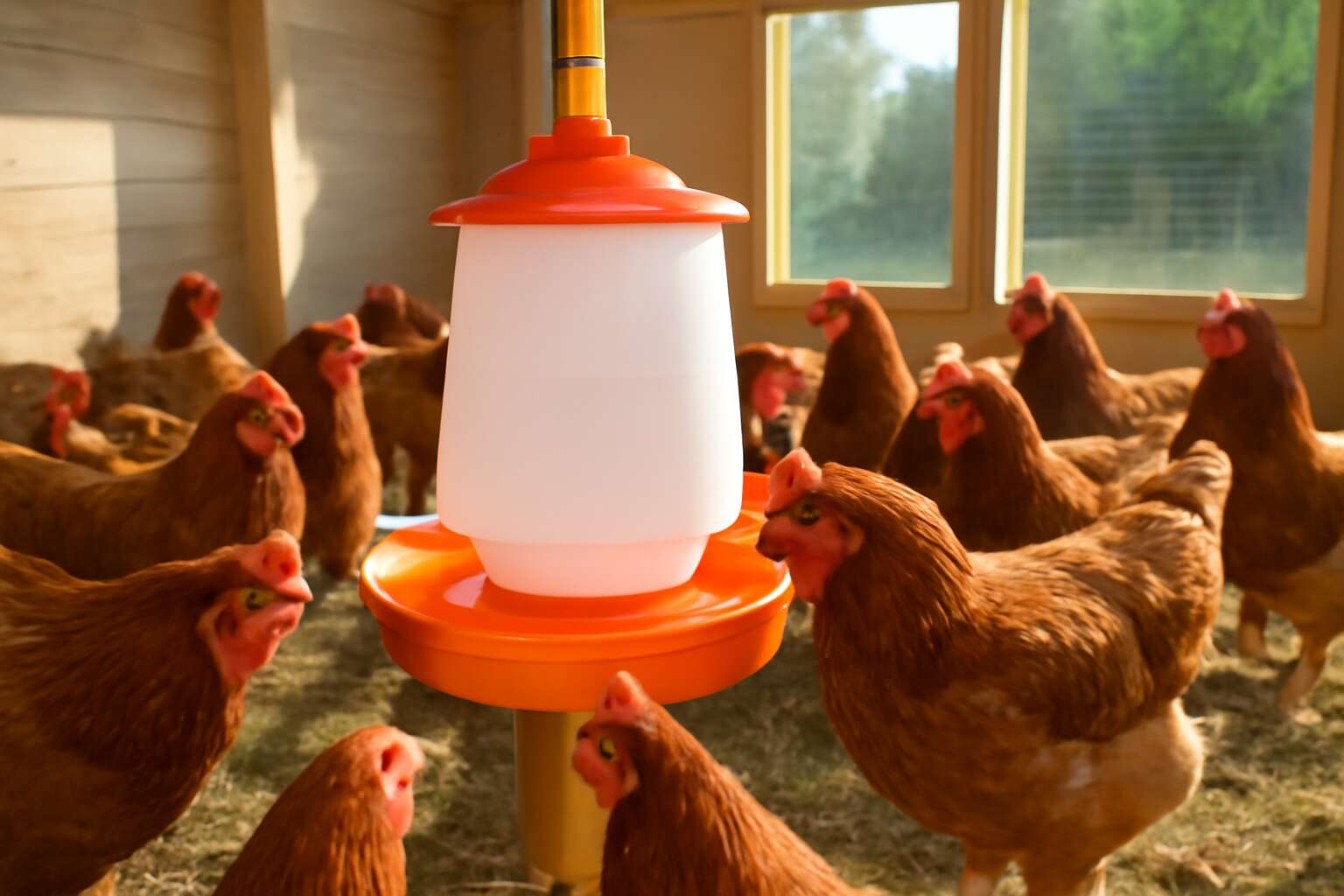
Choosing a Poultry Waterer: Types and Compatibility
Different Types of Poultry Waterers
Hydration isn’t merely nourishment; it’s the secret pulse of a healthy flock. Across South African coops, a poultry water feeder can lighten chores and steady production as seasons shift. In this climate, every sip counts.
Choosing the right style means weighing flock size, cleaning routines, and how birds move through the space. Here are common options:
- Dripper nipples for clean, space-efficient setups
- Open troughs for larger flocks or free-ranging birds
- Bell drinkers for smaller pens or when introducing new layers
Compatibility depends on climate and coop design; consider material, stability, and ease of maintenance. A well-matched system reduces spills and keeps every bird hydrated with minimal effort.
What Size and Capacity Do You Need
Across South Africa’s sun-burnished coops, hydration is the quiet engine of a thriving flock. Heatwaves can push a hen’s daily water needs up by roughly 30%, turning a simple sip into a strategic resource. The right poultry water feeder aligned with your space keeps that rhythm steady.
Sizing hinges on flock size, age, and how birds move through the coop. For small groups, 5–10 litres often suffice; mid-size flocks benefit from 20–40 litres; larger runs may call for 50–100 litres or multiple units to keep refills infrequent and clean.
Compatibility matters beyond capacity. Material, stability, and ease of maintenance shape long-term performance.
- Durable materials suited to dusty SA conditions
- Anti-spill and backflow features to curb waste
- Simple cleaning and refilling design
- Strategic placement for flock movement
When the pieces fit, hydration becomes a steady, almost musical pulse across the shed.
Indoor vs Outdoor Use and Material Considerations
In SA’s heat, a hen’s thirst becomes a strategic concern. Heatwaves push daily water needs up by about 30%, turning hydration into a quiet negotiation between flock and shed. A well-chosen poultry water feeder keeps that rhythm steady.
When selecting, think how the unit fits space and movement: indoor enclosures often benefit from gravity-fed designs that curb splash, while outdoor runs demand weatherproof robustness. The poultry water feeder should align with coop flow and be easy to monitor from the door.
Material matters as much as shape. Stainless steel and UV-stable plastics resist dust and sun, yet remain forgiving to clean. Look for a balance of durability, leak resistance, and smooth refilling in a design you can trust every day.
- Indoor vs outdoor suitability
- Material durability and UV resistance
- Maintenance and cleaning access
Compatibility with Flock Size and Species
Choosing a poultry water feeder is tuning hydration to your birds’ rhythm. For a mixed flock, seek designs that scale—from compact gravity-fed options for a small run to larger troughs for a busy yard. In SA’s heat, the right unit keeps water steady, turning thirst into a predictable flow.
Compatibility with flock size and species should guide your choice. A coop housing layers, pullets, or ducks has distinct needs for height and access. Consider how the feeder fits coop traffic, is easy to clean, and performs in dust and sun. A thoughtful poultry water feeder becomes a daily companion—reliable and ready.
- Flock size and species
- Placement, access, and cleaning
- Weather durability and leakage resistance
Durable materials, smooth refilling, and easy monitoring seal the deal in SA’s climate.
Features to Look for in a Poultry Waterer
Anti-Siphon and Leak Prevention Basics
In South Africa’s sun-warped coops, a single drip can bloom into a swamp and waste a flock’s thirst. A well-chosen poultry water feeder protects every beak, using anti-siphon design to curb backflow and keep fresh water where it belongs—near the roost, away from the litter.
Key features to seek include:
- Anti-siphon design that halts backflow and keeps water clean.
- Leak-tight seals and gaskets that endure heat and dust.
- Easy-clean surfaces and simple disassembly for maintenance.
- Weather-ready, durable materials suited to outdoor SA environments.
Let the mechanism speak in a quiet, enduring cadence, a testament to craft that stands firm under the South African sun.
Ease of Refilling and Cleaning
A single sun-baked afternoon in a South African coop can turn a tiny spill into a swamp, but a well-chosen poultry water feeder makes refilling feel almost ceremonial rather than a chore.
Ease of refilling starts with a wide-fill port that accepts jug and bucket pours without splatter.
- Wide-fill port and spill-proof cap for clean, quick refills
- Removable, dishwasher-safe reservoir for thorough cleaning
- Smooth, non-porous interiors that resist algae and grime
- Rugged, UV-stable materials that survive heat and dust
Maintenance becomes routine rather than a task; a simple twist-off lid and easily accessible components let you scrub, rinse, and reassemble in moments. In the right design, refilling is quiet, efficient, and far less wasteful—an unseen ally in any South African coop.
Durability and Material Quality
In a South African coop, sun-bleached mornings put durability to the test. A robust unit shrugs off heat, dust, and the chorus of feathered critics, proving reliability is worth its saltier reputation. A well-made hydration station tends to outlast seasons and keeps the flock hydrated without drama.
- UV-stable housing that shrugs off the searing South African sun
- Food-grade plastics or stainless steel for safe water contact
- Non-porous interiors that resist algae and grime
- Reinforced seals and robust joints to thwart sneaky drips
- Dishwasher-safe reservoirs for thorough cleaning
When these elements align, the poultry water feeder becomes a quiet ally in the coop—reliable, low-maintenance, and unafraid of heat and dust. It stands as a marriage of practicality and elegance, a fixture any South African farmer can trust to nourish the flock with dignified simplicity.
Automation and Water Conservation Features
“Water is the breath of a flock,” a South African farmer often reminds me, and the point lands in a sun-baked coop. In these conditions, automation and water-conservation features turn daily chores into quiet, reliable rituals. A well-tuned poultry water feeder hydrates birds with minimal fuss.
Automation and water-conservation features give you leverage when the coop clock never stops. Look for these features:
- Automatic refill with float valve
- Adjustable flow and height
- Anti-siphon design to prevent waste
- Leak and low-water alerts
Such automation hums rather than shouts, extending the life of your investment and the flock’s welfare. When the system’s parts align, days move with a measured cadence—proof that practicality and care can dwell under Africa’s sun!
Installation and Setup Guide for Poultry Waterers
Site Selection and Mounting Options
“Water is life,” a seasoned South African poultry farmer reminds me, and it’s the truth that guides installation. A well-placed poultry water feeder thrives where shade, drainage, and access meet.
Choose a sheltered corner near the flock’s activity, on level ground with good drainage. Position the unit away from waste runoff and busy gates to keep water clean and refilling simple.
Mounting height matters. That single decision affects spillages, accessibility, and flock behavior. Options include wall brackets, free-standing posts, or ceiling beams—each with secure fasteners and weatherproof fittings to endure seasons.
- Wall-mounted brackets
- Floor-standing frames
- Ceiling/beam attachments
Once mounted, the visual cues—height relative to the birds, seal integrity, and wind exposure—reveal the system’s resilience through heat and rain.
Wiring and Plumbing for Automatic Systems
Across South Africa, a well-planned poultry water feeder can cut daily water loss by up to 15–20%. Behind every automatic sip there lies wiring and plumbing that must endure heat, dust, and daily wear. This installation dialogue favors durability and compliance, so birds drink calmly and the farm flows smoothly.
Key considerations for installation and setup, beyond style and placement, include:
- Weatherproof, corrosion-resistant fittings and secure hose connections that withstand the sun and rain
- Accessible shut-off valves and anti-siphon devices to prevent backflow and keep water pristine
- Professional electrical assessment and robust mounting to meet safety standards
When the wires, pipes, and fittings settle into their rhythm, the system becomes a quiet partner in the day—reliable, efficient, and generous in its supply.
Initial Filling, Priming, and Testing
Across South Africa, heat and dust can drive up to 20% of water loss in poultry sheds, a fact that makes the poultry water feeder both shield and shepherd!
The initial filling of the system is the quiet rite that awakens it; air surrendering as clean water finds its path, seals set, and the line fills with calm, patient rhythm. I listen for a sigh in the tubing.
Priming follows—no rush, just letting the current claim its throne—then a measured check for steady flow and a whisper of no leaks. A simple test of the backflow device keeps water pristine.
When the air settles and the fittings sigh with no hiss, the workflow of the farm flows smoother, and the feeder hums as a quiet partner in the daily ritual.
Integration with Existing Fenced Runs
Across South Africa, heat and dust can drive up to 20% of water loss in poultry sheds, turning thirst into a daily crucible. A reliable poultry water feeder becomes a shield and shepherd, guiding hydration along fence lines and into the quiet, steady rhythm of a thriving flock.
Installation and setup for integration with existing fenced runs reads like a measured rite: the unit finds a straight, sun-warmed run, sturdy brackets embrace the rail, alignment with gravity and drainage is balanced, and water arrives with calm confidence rather than rush.
- Secure mounting that respects run geometry
- Weatherized fittings to endure sun and dust
- Service points accessible for refilling and cleaning
When the sun eases, the poultry water feeder hums as a quiet partner in the farm’s daily ritual.
Maintenance, Cleaning, and Hygiene for Water Systems
Regular Cleaning Intervals and Methods
The poultry water feeder is the quiet engine of a thriving flock; clean hydration powers vitality and can curb illness, especially through South Africa’s blistering summers. Regular cleaning intervals and careful hygiene turn murky water into a crystal stream, free of algae and biofilm. Harsh chemicals don’t belong here—gentle rinses with clean water restore clarity, while mindful flow checks ensure the lifeblood of the birds remains steady and reliable.
Consider these high-level priorities:
- Regular intervals aligned with climate and flock size
- Hygiene and contamination prevention
- System integrity and water quality monitoring
In this quiet ritual, maintenance becomes a guardian of life, turning routine care into a seasonal spell for flock health and steady productivity.
Preventing Algae, Bacteria, and Mineral Buildup
Across South Africa’s blistering summers, water becomes the flock’s quiet lifeline. The poultry water feeder sustains vitality with unassuming precision, yet its health rests on the clarity of what travels through it. A single murky drop can ripple into dehydration, stress, and stunted growth; hydration, in this climate, is a measure of resilience and daily care takes on ceremonial gravity.
Maintenance, cleaning, and hygiene are not mere chores but guardians of life. When streams stay clear and surfaces resist biofilm, birds drink with confidence and feed conversion remains steady. The goal is to prevent algae, bacteria, and mineral buildup by forging hygienic pathways and resilient systems that endure season after season.
- Algae and biofilm resistance through thoughtful design and water flow dynamics
- Bacteria control via cleanable reservoirs and minimal stagnation zones
- Mineral buildup management by materials and components that resist scale
Seasonal Care and Winterization
“Water is life,” a veteran farmer once said, and I feel that truth at dawn as frost clings to the coop. The poultry water feeder gleams with purpose, even in South Africa’s winter, guiding hydration that keeps vitality steady when the veld grows quiet.
Maintenance, cleaning, and hygiene are guardians of life, especially as the mercury drops. Seasonal care is not a chore but a philosophy: keep the channels clear, minimize stagnation, and let clarity travel every line. Then birds drink with confidence, and growth remains untroubled by unseen foes.
In winter, we design for warmth in the run, with joints that breathe and materials that resist frost. The poultry water feeder becomes a sentinel, guiding flow and keeping films at bay so hydration stays a quiet, steady pulse through the season.
Troubleshooting Common Waterer Issues
“Water is life,” a veteran farmer once whispered, and dawn’s frost makes that claim feel urgent. The poultry water feeder stands at the trough like a quiet sentinel, keeping hydration flowing when the veld holds its breath!
Maintenance, cleaning, and hygiene are guardians of life, especially in the cool hush of winter. I keep channels clear, minimize stagnation, and watch for films that cling to edges, letting clarity travel every line.
With the poultry water feeder, I notice slow leaks or uneven flow signaling trouble; I address them with routine checks, a careful wipe of the valve, and ensuring the water stays clear.
In South Africa’s sun and frost, maintenance becomes ritual, a quiet frontier between illness and vitality; the flock drinks in calm confidence as evening bells toll over the corrals.
Cost, ROI, and Purchasing Guide for Poultry Waterers
Budgeting for Different Types
Smart budgeting around a poultry water feeder can shave weeks of wear and waste off a farm’s operating costs. In South Africa, figures suggest up to 30% of water is wasted on poorly designed drinkers—money slipping away while birds wait for a drink.
ROI appears as reduced leaks, cleaner water, and less labour spent refilling. A sturdier poultry water feeder may cost more upfront but lowers maintenance, spoilage, and downtime. In many setups, the payback arrives within a single season, especially with simple automation and reliable seals.
- Starter budget models: under R500, suitable for tiny flocks
- Mid-range: roughly R500–R2000, better seals and easier maintenance
- Premium: over R2000, automation-ready with robust materials
Purchasing guide: balance upfront price with reliability, warranty, and local service. Consider flock size, mounting, and ease of cleaning. Look for anti-siphon features and durable materials—the right setup supports steady productivity.
Where to Buy: Online vs Local Stores
Water waste gnaws at South African farms; studies show up to 30% of drinker output vanishes from poorly designed systems. A well-chosen poultry water feeder can turn that loss around, trimming wasted time and safeguarding flock health!
ROI manifests as fewer leaks, cleaner water, and steadier refills. In many operations, the payback arrives within a single season, especially where solid seals and straightforward automation cut downtime and spoilage.
- Warranty and local service
- Anti-siphon and leak prevention
- Durable materials and ease of cleaning
Purchasing guide: Online stores widen your range and speed price checks, while local outlets offer hands-on assessment and nearby support. Prioritise warranty length, reliable seals, ease of cleaning, and mounting versatility when choosing a water system.
Warranty, Returns, and Spare Parts
On South African farms, water waste from poorly designed drinkers can eat into profits, sometimes by a third. A well-chosen poultry water feeder reduces that loss, keeps water clean, and stabilizes refills, turning a modest upfront outlay into sensible ROI over the season.
Warranty, Returns, and Spare Parts availability should guide your choice. Consider these essentials to avoid downtime:
- Warranty length
- Returns policy
- Ready availability of spare parts
- Reliable seals and compatibility with your system
Solid terms translate into lower risk and faster recovery if a component wears or fails.
When purchasing, balance online stores with local outlets to compare price, warranty, and service. A sturdy unit with straightforward maintenance, clear mounting options, and robust seals tends to deliver the lowest total cost over time.
DIY vs Commercial Solutions: Pros and Cons
Cost and ROI steer every buying decision. On South African farms, a well-chosen poultry water feeder trims waste, keeps water clean, and stabilizes refills—turning a modest upfront outlay into sensible ROI over a season. Clear warranties, spare parts availability, and reliable seals translate into fewer downtime surprises and faster recovery when wear or leaks appear.
- DIY setup often has the lowest upfront cost and allows tailored mounting, but maintenance and part sourcing can slow uptime.
- Commercial units offer predictable performance, stronger warranties, and easier service, at a higher initial price.
- Hybrid approaches blend modular upgrades with scalable reliability, easing transitions as the flock grows.
Purchasing guide: balance online options with local outlets to compare price, warranty, and after-sales support. Seek readily available spare parts, compatibility with existing fittings, and a unit designed for straightforward cleaning and refilling.



0 Comments