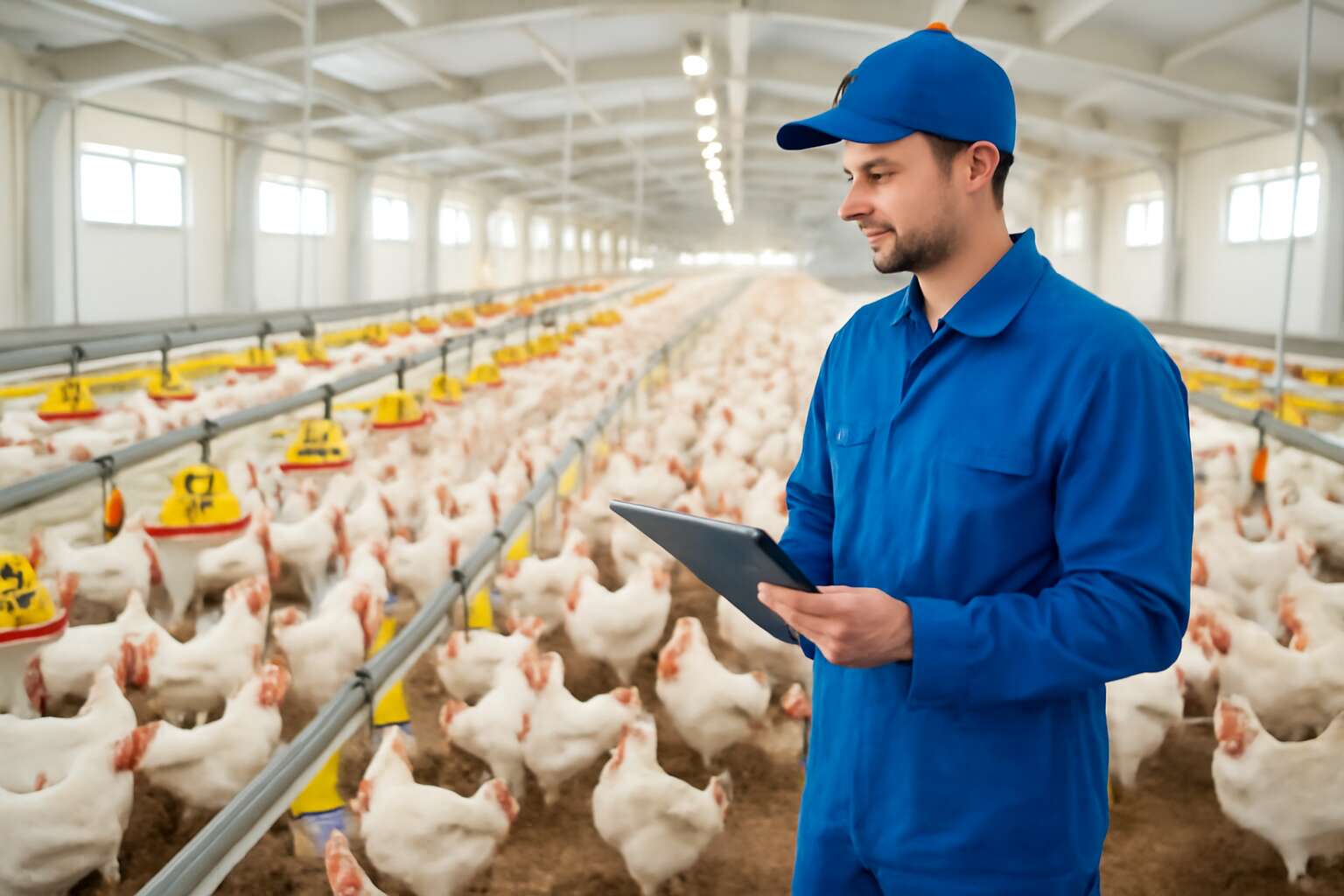
Poultry Industry Landscape Overview
Key segments in the poultry sector
Poultry is the largest meat sector in South Africa, feeding millions daily and linking small farms with city markets. The industry offers clear paths across the value chain—from hatcheries to processing floors—where steady work and real skill growth meet daily needs. This landscape invites those pursuing a vibrant poultry occupation.
Key segments in the poultry sector unfold with their own craft and challenge.
- Hatcheries and chick distribution
- Broiler farming and finishing
- Layer operations and egg production
- Processing, packaging, and distribution
In South Africa, tech adoption—biosecurity, cold chains, and welfare standards—drives growth while protecting communities. The right training turns daily labor into lasting livelihoods across rural and peri-urban areas.
Major roles across production to processing
Poultry occupies a roaring center stage in South Africa’s food scene, and the industry runs on more than clean cages and good vibes. A savvy manager reminds us that poultry occupation is a daily apprenticeship: skill grows at farm level, in the hatchery, and along the processing line. The landscape rewards steady hands with clear routes from brood to bundle.
Across production to processing, major roles include hatchery technicians, farm supervisors, welfare and biosecurity stewards, processing line leads, packaging and logistics crews, and quality control champions. Their work keeps shelves stocked and communities fed, with a cheeky adrenaline that comes from fast-paced deadlines and cold-chain precision.
- Hatchery and chick distribution coordination
- Broiler finishing and feed management
- Layer operations and packing quality
- Cold chain and distribution logistics
This is the real spine of the poultry occupation in SA—where daily labor meets lasting livelihoods.
Current trends shaping poultry employment
South Africa’s poultry industry keeps shelves full and livelihoods thriving—it’s a multi-billion rand heartbeat that supports hundreds of thousands of workers. Even as clean cages and precision feed remain the visible frame, the poultry occupation evolves with automation, data-driven scheduling and tighter traceability.
- Automation and data-driven scheduling are reshaping daily tasks
- Biosecurity, welfare standards and continuous training lift the skills bar
- Rural uplift and local apprenticeships open new career ladders
Behind the numbers, I hear the human voice: farmers, supervisors, and trainers who believe work is more than a paycheck—it is meaning found in the steady rhythm of dawn duties and the quiet discipline of keeping a community fed!
Where poultry jobs are concentrated geographically
In South Africa, the poultry occupation is a multi-billion rand heartbeat that keeps shelves stocked and livelihoods thriving. I’ve watched dawn break over quiet feed mills and learned that geography shapes who trains where and who travels to keep the wings flying!
- Gauteng
- KwaZulu-Natal
- Western Cape
- Eastern Cape
These hubs bind skills, logistics, and local apprenticeships, giving the industry a human geography as precise as a well-tuned hatchery schedule.
Career Paths in Poultry Production
Farm management and supervision roles
On South Africa’s poultry farms, career paths rise from the daily rhythm of feed, dawn checks, and team leadership. Studies show that strong on-farm leadership can lift production efficiency by up to 15%. The role of farm management and supervision is where practice meets stewardship—and a strong manager can lift output while guarding animal welfare. This is the heart of poultry occupation here!
- Farm Manager or Operations Lead
- Production Supervisor, daily cycle management
- Biosecurity, Welfare and Compliance Coordinator
- Quality Assurance and Performance Analyst
In South Africa, the human dimension—mentorship, teamwork, and ethical decision-making—shapes durable careers in poultry production. With the right blend of hands-on skill and people leadership, guiding a flock becomes a meaningful mission, not just a job!
Animal health and welfare technician
On South Africa’s bustling poultry yards, one vigilant animal health and welfare technician can be the hinge that keeps a flock thriving through unexpected jolts. A well-timed check can halt a disease ripple before it spreads, saving birds and feed. This is more than a job—it’s a cornerstone of the poultry occupation, where care and science tango in the same shed.
- Animal Health and Welfare Technician
- Biosecurity and Welfare Coordinator
- Veterinary Liaison and Care Coordinator
- Health Data and Compliance Analyst
Career growth here rides on curiosity, data literacy, and humane leadership. It invites collaboration with veterinarians, farm managers, and regulatory bodies, shaping a career that protects animals while boosting productivity in the South African poultry sector. For those drawn to the poultry occupation, this path offers purpose and impact.
Feed formulation and nutrition specialist
Across South Africa’s barns, a 5% shift in feed efficiency can translate to thousands of birds thriving on less grain. The feed formulation and nutrition specialist stands at the hinge, turning farm data into balanced rations and healthier flocks. In the poultry occupation, this role fuses science with practical feeding strategies that boost productivity and welfare.
- Feed formulation specialist who designs species-specific rations
- Nutrition researcher exploring alternatives and additives
- Quality and diet optimization coordinator ensuring consistency across farms
Beyond numbers, the path thrives on curiosity, teamwork, and a respect for animal welfare, traits that keep farms resilient in changing markets.
Processing plant operator and quality control
In South Africa’s humming processing floors, a single shift can spare thousands of birds from needless waste—efficiency carved from steel and vigilance. The poultry occupation unfolds on the line where a processing plant operator guides the rhythm of culling, chilling, and packaging, turning raw potential into safe, market-ready protein. Behind the glass, quality control technicians listen for off-notes in texture, scent, and temperature, signaling adjustments before a problem ripples through the chain.
Key roles in this path include:
- Processing plant operator—maintaining flow, equipment uptime, and worker safety
- Quality control technician—ensuring product meets standards and regulatory requirements
- Sanitation and regulatory compliance monitor—upholding hygiene and traceability
Those who pursue this path mix practical precision with a dash of nocturnal patience; the plant breathes easier when attention is unwavering, and careers in this field grow resilient as markets shift.
Quality assurance and regulatory compliance
On South Africa’s poultry floors, precision is the daily bread. “Precision saves lives,” whispers the processing line as every check halts waste and preserves trust, quality assurance and regulatory compliance become compass and shield—keeping plates safe and shoppers confident. The path here is a quiet, methodical art, where vigilance translates potential into market-ready protein.
Forging a path within this realm means embracing roles that safeguard the chain from farm to fork—a poultry occupation.
- QA auditor and compliance coordinator
- Regulatory affairs specialist
- Traceability and data integrity officer
- Sanitation and hygiene compliance inspector
Beyond the title, the tempo demands broad literacy—GMP, HACCP, traceability, record-keeping, and an aptitude for cross-functional dialogue. The poultry occupation rewards those who read the signs: steady hands, clear eyes, and the ability to translate regulation into everyday practice. Careers in this field grow as markets shift, and integrity remains the sole constant!
Skills, Training, and Certifications
Education and training pathways for poultry roles
Across South Africa’s farms, the dawn chorus isn’t the only rhythm in the shed—the poultry occupation runs on people who translate care into daily yield. “We learn by listening to the birds,” a supervisor told me, and that listening becomes precise skills, patience, and pride in every crate.
Skills and training blend hands-on practice with formal grounding, from humane handling to meticulous record-keeping. On-the-job mentors are priceless; routes include:
- Coaching under experienced farm staff
- Short courses in animal welfare and biosecurity
- On-site certificates tied to SAQA standards
- Formal diplomas in poultry production or agricultural science
Education and training pathways open doors across South Africa, with colleges, agri-vocational programs, and employer partnerships offering certificates, diplomas, and bridging courses that suit rural and urban learners. For those who choose this field, every certificate earned is a thread in a larger tapestry of care, resilience, and hope.
Industry certifications and safety credentials
In the poultry occupation, precision turns daily care into measurable yield. Observers see teams translate patience into crates of healthy birds, with humane handling and tight record-keeping guiding every shift!
Industry certifications and safety credentials anchor this work, linking care to compliance:
- Safe Poultry Handling Certificate (SAQA-aligned)
- Animal Welfare and Biosecurity Certifications
- HACCP-based Food Safety Certification
These credentials bolster trust with farmers and processors, enabling mobility across South Africa’s value chain while upholding standards that protect animals, workers, and product quality.
Practical on the job skills for efficiency
In the poultry occupation, on-the-floor skills turn patient care into measurable yield. I’ve watched teams fuse sharp observation with steady pace, transforming humane handling and tight record-keeping into reliable throughput. When training translates into action, every shift moves with efficiency and purpose.
- On-the-job animal health checks and early signs of distress
- Humidity, temperature, and ventilation monitoring for stable environments
- Hygiene, sanitation, and biosecurity practices
- Accurate data entry and clear shift handovers
- Safe equipment use and preventative maintenance
- Effective communication and teamwork under pressure
These practical competencies bloom in real-time, enabling teams to adapt swiftly while preserving product quality in South Africa’s dynamic poultry landscape. It’s about disciplined performance and the quiet confidence that comes from dependable routines.
Finding internships and entry level opportunities
On the floor of a South African farm, skills are the quiet currency that turns effort into reliable output. In the poultry occupation, disciplined training yields measurable throughput, and seasoned teams speak in humane handling and precise record-keeping. A veteran supervisor often says, “skill is the quiet engine behind every brisk shift.”
- Internships at hatcheries and grower facilities
- Cadet programs with poultry processors and cooperatives
- Short courses in biosecurity, animal health basics, and data entry
The journey from curiosity to capability begins with on-site exposure and bite-size credentials that fit busy farms. Employers value learners who show discipline and a readiness to collaborate across teams.
In South Africa, internships and entry-level roles surface across rural co-ops and urban processing hubs, keeping the poultry occupation accessible to diverse applicants while weaving safety and empathy into every shift.
Advancing Your Career in the Poultry Sector
Networking and professional associations
Opportunity in the poultry occupation grows where relationships take root. In South Africa’s evolving poultry sector, career momentum travels along networks more than résumés. Studies suggest roughly 60% of mid- to senior-level roles in this field are filled through professional connections.
Professional associations and regional chapters offer a concrete bridge between classroom learning and the hatchery floor—mentors, peer groups, and industry events that widen the horizon. A small list of benefits:
- Mentorship from seasoned practitioners
- Access to exclusive vacancies and internships
- Continuing education aligned with regulatory standards
Beyond meetings, it is the quiet, persistent presence—volunteering on committees, contributing to trade publications, sharing insights—that moves a career in poultry occupation forward. Networking becomes not just a tactic but a compass in a crowded, dynamic field.
Moving into management and leadership
In South Africa, rising in the poultry occupation rarely unfurls like a clean ladder. A telling stat lingers in the air: roughly 60% of mid- to senior-level roles are filled through professional connections. Leadership here is less about a gilded résumé and more about the quiet gravity of trusted alliances.
Moving into management and leadership means translating hands-on mastery into strategic stewardship. You become a conductor in a chorus of flocks and regulators, guiding teams through audits, production targets, and humane standards.
- Vision that stitches operations to people
- Mentorship that grows others from the ground up
- Regulatory fluency guiding daily decisions
Leadership in poultry remains defined by presence as much as prowess; those who volunteer on committees and tell the industry’s stories burnish their reputations in the long arc. The path glides on, patient as dusk, offering enduring openings to those who listen.
Specialization options: breeding, nutrition, veterinary support
In the poultry occupation, progress hinges on carving a niche—roughly 60% of mid- to senior-level roles are filled through professional connections. On South Africa’s farms, specializing in breeding, nutrition, or veterinary support makes you the go-to person when volumes rise and audits loom.
Consider these specialization options:
- Breeding
- Nutrition
- Veterinary support
To advance, deepen your fluency with data, cross-functional teams, and frontline welfare realities—mix genetics with performance metrics or nutrition with feed logistics. The niche you own becomes your compass in a crowded market.
This is a field where practical impact outshines pomp, and a well-chosen specialty can redraw your horizon within the larger tapestry of the sector.
Entrepreneurship and starting a poultry business
On South Africa’s farms, a compelling truth unfolds: the most enduring poultry occupation stories aren’t just about birds, but about building an enduring enterprise. In this field, roughly 60% of mid- to senior-level roles hinge on professional connections, turning networking into a critical skill. Entrepreneurship here blends craft with commerce, where a sharp ear for markets meets a steady hand with welfare and compliance.
- Vision and resilience
- Data fluency and cross-functional teamwork
- Ethical governance and welfare priorities
To build a durable venture, focus on traits that transcend trends: vision, resilience, and the ability to translate data into decisions. Embrace cross-functional teamwork, from genetics to feed logistics, and keep frontline welfare realities at the core of every choice.
South Africa’s landscape rewards bold, principled entrepreneurship—where a well-told story, local partnerships, and a modular approach to growth can illuminate a path through a crowded market.
Regional Opportunities and Industry Outlook
Top regions for poultry employment
Across South Africa, poultry occupation turns quiet barns into bright beacons of possibility, where hands, hearts, and hatcheries choreograph a daily spell of care and craft. The industry blends science with daily life, and regional opportunities expand as farms modernize, hatcheries scale, and markets evolve.
Top regions for poultry employment include:
- Gauteng
- KwaZulu-Natal
- Western Cape
- Free State
These hubs support diverse roles—from breeding and feed formulation to processing plant operations—while strong training networks and logistics links keep the supply chain humming. The industry outlook stays buoyant as investment in infrastructure and animal welfare uplifts careers across the country.
Salary trends and demand by role
Across South Africa, the poultry occupation network is turning quiet sheds into buzzing hubs of opportunity. A single shift can feel like a tiny revolution—hands guiding chicks, minds solving feed puzzles, hearts invested in welfare!
Regional opportunities glow brightest in Gauteng, KwaZulu-Natal, the Western Cape, and the Free State, where farms scale up and hatcheries upgrade. The industry outlook shows steady demand for skilled roles—from breeding specialists and nutrition technicians to plant operators and quality stewards—paired with salaries that reward training and reliability.
- Growing need for animal health technicians and welfare champions
- Processing plant operations and QA rising with certification standards
- Logistics, feed formulation, and farm management offering clear career ladders
In this landscape, persistence, practical know-how, and a collaborative spirit turn daily chores into durable careers.
Impact of automation and technology adoption
Regional opportunities in poultry occupation are shaping a new rural-urban rhythm across Gauteng, KwaZulu-Natal, the Western Cape, and the Free State. Farms scale up and hatcheries upgrade, turning quiet sheds into visible engines of growth. “Automation is a partner, not a replacement,” a veteran grower reminds me, and that mindset unlocks real opportunity for skilled hands and thoughtful minds.
Industry wide, automation and technology adoption are sharpening the industry outlook: real-time temperature dashboards, sensor-driven feeding, and data-informed scheduling reshape daily routines. This shift nudges the field toward oversight, maintenance, and continuous improvement—roles that reward training and steady reliability.
- Smart sensors monitor feed efficiency
- Automated climate control reduces waste
- Digital scheduling boosts labour utilization
Momentum in these regions sustains a durable career path for the poultry occupation, where practical know-how and care-light leadership keep farms resilient and humane.
Sustainability, welfare, and future prospects
Regional opportunities across Gauteng, KwaZulu-Natal, the Western Cape, and the Free State are turning quiet sheds into engines of growth. Farms scale up, hatcheries upgrade, and skilled hands are in demand as rural livelihoods ride a new urban rhythm. A veteran grower notes, “Automation is a partner, not a replacement,” and that attitude unlocks durable paths for those who blend practical know-how with thoughtful leadership in the poultry occupation.
Industry outlook centers on sustainability, welfare, and steady reliability. Real-time data, humane handling, and biosecurity shape careers rooted in oversight and maintenance—continuous improvement. Those who invest in welfare credentials and environmental stewardship find long-term prospects secure, driving humane, productive farms that weather market swings while keeping workers engaged.
- Regional training hubs anchor skills locally
- Welfare certifications build trust and standards
- Environmentally mindful operations reduce waste
- Careful maintenance roles fuel uptime


0 Comments