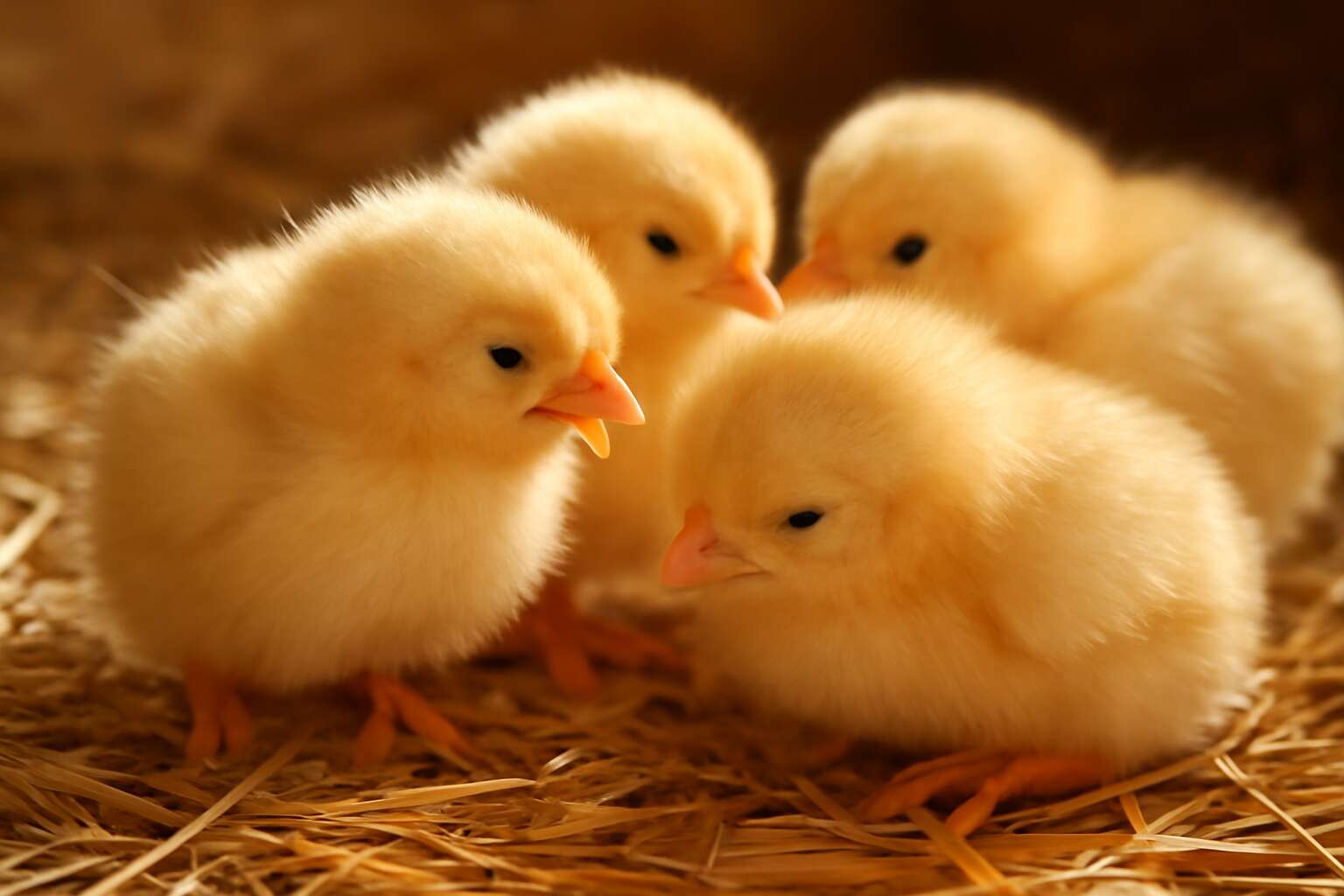
Comprehensive guide to chick care and management
Starting with day-old chick care
In the hush of a warm brooder, every heartbeat counts. A veteran keeper whispered, “Warmth first, then wonder,” and that line guides my care for poultry chicks. The first week is a delicate spell—tiny bodies learning to sip, peck, and thrive under watchful light.
Starting with day-old chick care, set up a spacious, draft-free brooder with a gentle heat gradient and clean litter. A stable warmth, fresh water, and a wholesome starter feed invite resilience in the tiny flock; keep the nursery spotless to prevent disease. Observe each chick for energy and warmth; signs of lethargy or restlessness signal a need for attention.
- Consistent brooder temperature 32–35°C
- Clean, accessible water and starter feed
- Dry bedding and good ventilation
- Daily health checks and gentle handling
In South Africa, we balance sun and shelter, tenderly guiding these poultry chicks toward robust growth.
Selecting and acquiring healthy chicks
Across South Africa, roughly 1 in 5 backyard poultry ventures loses birds in the first week because the stock wasn’t up to the job. The comprehensive guide to chick care and management begins with a sober truth: select stock that can weather a busy week and still strut proudly. Poultry chicks deserve stock that’s robust from day one.
Healthy chicks don’t hatch with a warranty, but they do announce themselves: bright eyes, steady energy, clean feet, and clear hatch records. Seek reputable breeders with traceable lineage and documented health checks, and you’ll save yourself the drama later.
- Source credibility and hatch-date traceability
- Visible health cues: alertness, bright eyes, clean plumage
- Biosecurity and transport conditions
From there, the road to a thriving flock in SA is less a march and more a spring, with novelty tamed by sensible sourcing and steady, quiet care.
Feeding and nutrition for growing chicks
From years in the field, I’ve learned that for poultry chicks, feeding right from the cradle is as important as housing. The growing phase demands a protein-rich starter, energy-dense grains, and a steady supply of clean water. In the SA climate, nutrition should support steady growth without stressing the gut or the temp controls.
Key nutritional pillars for growing chicks include:
- Protein-dense starter nutrition tuned to growth stages
- Constant access to clean, fresh water
- Vitamins and minerals supplied through fortified feed
Feeding forms suitable for young birds include crumble and pellets, chosen for digestibility and steady intake; texture and size are adapted to the birds’ beaks and stomachs, shaping a resilient start for the flock.
Health, welfare, and common issues
“Healthy chicks, happy poultry chicks, and a thriving flock—it’s a simple triangle that starts in SA’s farm sheds,” a seasoned SA farmhand likes to say, and there’s truth in it. This comprehensive guide to chick care and management puts health, welfare, and common issues in the spotlight, because prevention outperforms panic.
In practice, the focus is on microclimate, biosecurity, and humane handling that respects the bird as a sentient, curious apprentice rather than a nuisance, especially for poultry chicks navigating SA’s seasonal quirks. Consistent access to clean water, dry litter, and respectful handling keeps stress low and resilience high, even when seasonal swings test the system.
- Early dehydration signals and water quality
- Digestive disturbances in damp litter
- Respiratory stress from drafts or ammonia
Together, these elements shape a confident, steady start for the flock, turning daily checks into care as a habit rather than a chore.


0 Comments