Quail Farming Overview
Types of Quail for Backyard Raising
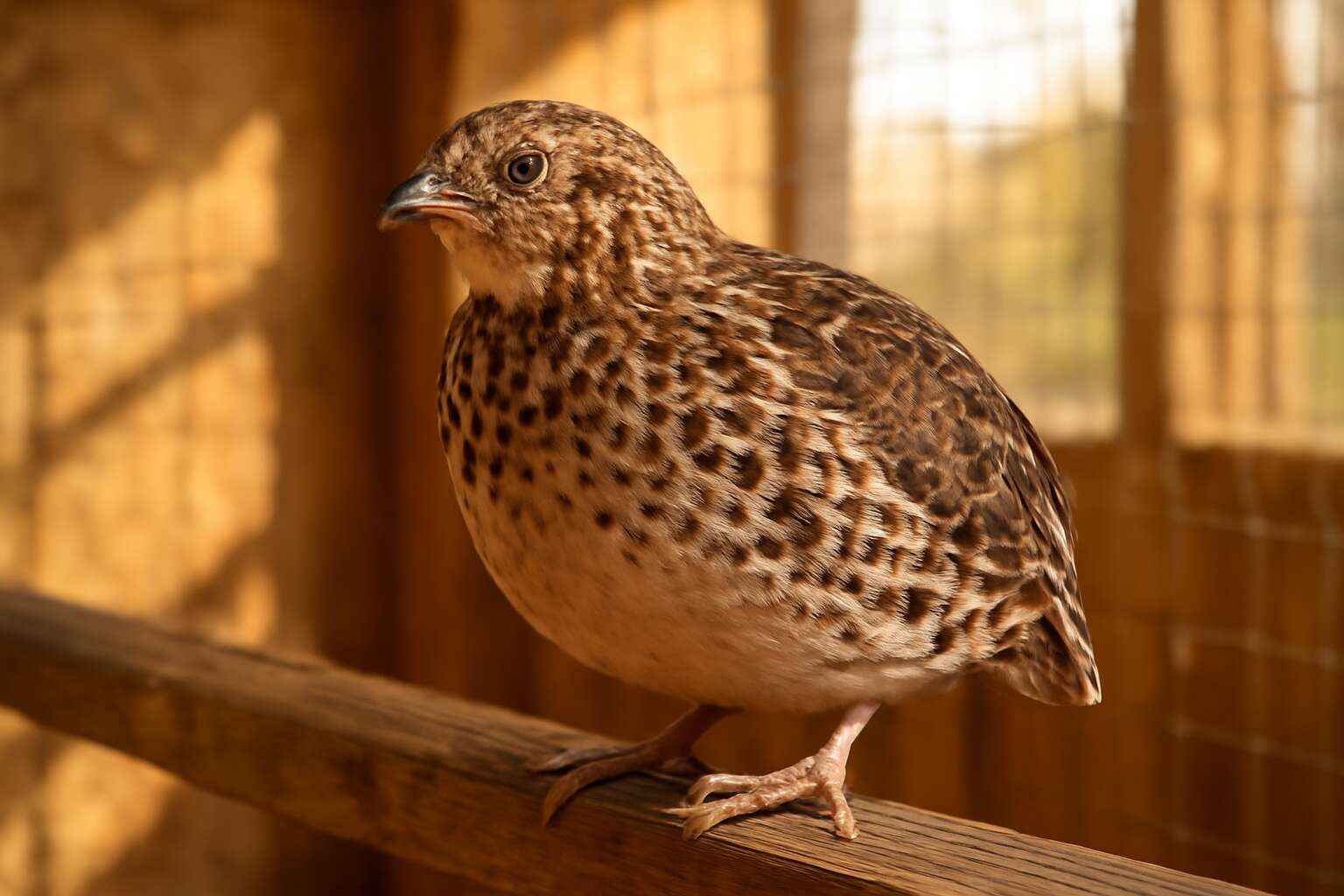
Across South African courtyards, poultry quail invite a restrained yet lush micro-farm experience. A small flock can yield 250–300 eggs annually, while coturnix quail mature in about six weeks and thrive in compact settings. Such mornings turn into a small poem of patience!
Types for backyard raising include several popular choices:
- Coturnix quail — the classic backbone of backyard farming, reliable layers.
- Pharaoh/Button quail — smaller and ornamental, with gentler appetites.
- King quail — decorative and easy to handle, well-suited to compact spaces.
In South Africa’s sunlit climate, these birds adapt with grace, turning backyards into studios of quiet yield and curiosity, a pastoral punctuation mark to modern farming.
Benefits of Keeping Quail
In South Africa’s sun-drenched backyards, poultry quail turn small spaces into reliable producers. A seasoned farmer once declared, “tiny birds, mighty yields,” and that sentiment still rings true: the birds deliver steady returns with minimal footprint.
These compact birds deliver tangible advantages that suit SA conditions. They mature quickly, require modest feed, and maintain calm dispositions in busy courtyards.
- Compact housing, big output
- Fast turnover from chick to egg
- Dual-purpose meat and eggs for the pantry
From climate resilience to minimal biosecurity demands, the benefits extend beyond mere numbers. They invite a patient, mythic rhythm to a modern farm, where small flocks transform terraces into bountiful, breathing studios of food and curiosity.
Common Quail Housing and Space Needs
In South Africa’s sun-kissed backyards, poultry quail offer a compact, steady pulse of productivity. “Tiny birds, mighty yields,” a veteran farmer likes to say, and the idea still hums in every courtyard. These birds mature quickly, need modest space, and fit neatly beside homes and sheds.
It is a simple vision: secure, well-ventilated housing that protects while inviting easy movement. The space should feel calm and clean, with sweet roosts and quiet nesting zones for the birds that charm urban growers.
- Secure, predator-proof enclosure
- Cleanable, well-ventilated space
- Quiet roosts and nesting zones
From the earliest light, poultry quail bring a soft, industrious rhythm to small spaces, turning courtyards into living cabinets of curiosity and sustenance.
Key Care Essentials for Beginners
In South Africa’s sun-warmed courtyards, poultry quail mature with startling speed, often reaching table-ready size in six to eight weeks. That brisk clockwork rhythm invites curious beginners to lean into a simple science: compact housing, calm spaces, and steady care create a quiet, reliable yield.
For beginners, three threads hold fast.
- Habitat integrity: secure, clean, well-ventilated spaces that deter predators
- Nutrition and water: reliable access to balanced feed and fresh water
- Health and biosecurity: routine observation and strict quarantine from new birds
Foster a rhythm of early morning clucks and soft dust baths; as you tune into their tempo, you’ll notice how the smallest birds illuminate the quiet corners of a South African backyard, a little stage for poultry quail in bright feathered chorus.
Quail Breeds and Varieties
Popular Meat Breeds
Quail meat packs a surprising punch on South African tables, and boutique farms report faster turnover than larger poultry lines. As one SA breeder notes, “tiny birds, bold flavor, big returns.” Such sentiment frames the rise of meat-focused quail varieties in modern flocks.
Two main meat-focused lines stand out: Coturnix japonica, known as Pharaoh quail, and Jumbo Coturnix selections that push heavier carcass yields. These varieties mature quickly, often ready for market in as little as six weeks, with tender flesh and reliable feed conversion.
- Coturnix japonica (Pharaoh quail) — compact, rapid growth, ideal for dense setups
- Jumbo Coturnix lines — larger birds, greater meat yield
- Color and strain varieties bred for meat markets — optimized for flavor and consistency
In the realm of poultry quail, these meat-forward breeds blend efficiency with a touch of culinary allure, inviting farmers to diversify offerings with elegance.
Popular Egg Laying Breeds
Across South Africa’s bustling home-farm scene, poultry quail can lay hundreds of eggs annually in compact spaces. A SA breeder likes to quip, “tiny birds, reliable layers”—and the stats back it up when the coop goes to market.
For egg-laying champions, Coturnix japonica families top the charts. These compact birds mature quickly and keep a steady cadence in dense setups common on SA farms. Other lines emphasize shell quality and consistent size, making them adaptable to retail markets.
- High daily egg production with compact bodies
- Calm temperament suitable for multi-species housing
- Reliable shell quality and uniform egg size
In short, these egg-laying varieties complement meat lines and broaden your offerings with elegance and practicality.
Rare and Specialty Breeds
Across SA farms, rare poultry quail varieties have surged in popularity, with a 20% year-over-year uptick in demand. These specialty lines invite breeders to explore color, temperament, and performance beyond the standard meat and egg profiles, challenging us to balance novelty with practical profitability.
In this niche, you’ll encounter color morphs, auto-sexing traits, and plumage patterns that captivate boutique markets. The quiet alchemy of selection shapes birds that look mesmerizing yet perform reliably.
- Color morphs and ornamental plumage
- Auto-sexing and hatchery-friendly traits
- Dual-purpose potential for eggs and meat
For South African growers, these lines broaden the palette of poultry quail offerings, marrying elegance with practicality in a tight production fit.
Choosing the Right Breed for Your Goals
Across SA farms, a 20% year-over-year uptick in rare poultry quail demand has breeders rethinking choices. Choosing a breed is less about labels and more about destiny—eggs that satisfy, meat that travels far, or plumage that catches the eye—while fitting into compact spaces and market rhythms.
Consider these guiding questions to align breed with your goals:
- Climate compatibility: heat tolerance and humidity handling for coastal versus inland farms
- Egg versus meat balance: laying cadence, egg size, and grow-out time
- Temperament and handling ease on smaller facilities
- Hatchery compatibility: auto-sexing traits and reliable supplier availability
In the South African landscape, the right breed harmonizes production aims with local climate, feed efficiency, and market demand, turning potential into dependable, elegant outcomes for poultry quail.
Feeding, Nutrition, and Health
Diet Essentials for Quail
Nutrition is the backbone of healthy poultry quail—without it, even the best housing is a losing bet! In South Africa, many keepers see healthier birds and steadier production when diets are balanced and fresh. “Good nutrition is the cheapest vaccine,” a seasoned grower likes to say.
For poultry quail, nutrition often relies on a high-quality commercial ration matched to life stage, with constant clean water and mineral supplementation as needed. A simple feeding framework often includes:
- Protein-rich starter for chicks
- Balanced layers’ ration with calcium
- Accessible water and minerals
Feed storage benefits from being airtight to limit mold, and limiting treats that disrupt nutrition aligns with observed health and production outcomes. Nutrition should be regularly adjusted for season, age, and production goals to maintain health and yield.
Nutritional Requirements by Life Stage
Smart nutrition is the quiet horsepower behind robust poultry quail in SA, and field observations show stage-appropriate diets lift production by up to 12% with measurable margins. A high-quality commercial ration aligned to life stage, paired with clean water and minerals, keeps birds thriving from hatch to maturity.
- Chicks: protein-rich starter for rapid growth and immune readiness
- Growing birds: balanced grower ration with energy and minerals
- Layers: calcium-forward layer ration to support shell quality
Water remains constant, and mineral supplementation should reflect season and production goals. Good storage and prudent feeding choices preserve the nutritional balance that health and yield depend on.
Health hinges on nutrition across age bands, with gut health, feather condition, and eggshell quality acting as subtle barometers.
Preventive Health and Disease Management
In South Africa’s coops and farms, a balanced feeding program for poultry quail can translate into steadier production and brighter health, with early-life vigor setting the tone. A well-composed diet, clean water, and proper minerals act as the quiet engines behind growth, egg quality, and resilient immunity.
- Life-stage aligned rations
- Constant access to clean water
- Seasonal mineral balance
Health hinges on preventive practice: robust gut health, feather condition, and eggshell quality serve as subtle barometers of flock vitality. Together with calm housing and consistent hygiene, these signals guide early interventions and keep flocks thriving through every season.
Water, Feeds, and Feeding Schedules
A well-timed feeding rhythm can turn a quiet flock into a chorus of clucks; for poultry quail, water and feed quality are the quiet engines of health. In South Africa’s coops, clean water and a balanced diet set the tone for steady growth and bright eggs.
Consider these essentials:
- Clean water supports hydration and gut health.
- Feeds reflect age and prevent mold contamination.
- Mineral balance shifts with life stage and season.
Adopt feeding schedules that favor small, frequent meals. This keeps gut health steady and reduces waste, while dawn and late-afternoon feeds support steady egg production. For poultry quail, calm birds and bright plumage follow good rhythm.
Breeding, Incubation, and Raising Chicks
Breeding Basics and Mating
“Every egg holds a promise,” say seasoned breeders. In the world of poultry quail, breeding is a quiet calculus of genetics, temperament, and timing. Mating choices shape flock harmony long before the first peep, turning life into a compact, poised symphony!
Incubation asks for steady cues: eggs rest under observation, the clutch turning with routine rhythm, warmth and humidity guiding embryos toward hopeful emergence. The subtle chemistry of care often proves decisive.
Raising chicks unfolds as a study in social weather: warmth, space, and companionship temper precocity and curiosity. Early chick behavior reveals lineage endurance; healthy broods imprint quickly, forming the backbone of a resilient flock.
Key areas to consider include:
- Genetic diversity and color patterns
- Mate compatibility and behavior
- Incubation environment and chick vigor
Egg Care and Incubation Tips
In South Africa’s sunlit coops, breeding is a quiet art! “Every egg holds a promise,” say seasoned breeders, and with poultry quail the promise carries both poise and peril. Genetics, temperament, timing braid into a tapestry that hints at the future flock.
Incubation asks for steady cues: eggs rest beneath watchful observation, the clutch turning with a patient rhythm, warmth and humidity guiding embryos toward hopeful emergence. Care becomes chemistry, and the smallest variance can bend the arc of a hatch.
Raising chicks is a study in social weather: warmth, space, and companionship temper precocity and curiosity. The flock’s early quiet chatter becomes a map of lineage—healthy broods imprint quickly and carry a quiet resilience into adulthood.
Raising Quail Chicks: Temperature and Housing
In the quiet glow of a South African dawn, hatchery whispers promise. “Temperature is the quiet architect of life,” a seasoned breeder once told me, and this rings true for poultry quail—where tiny shifts shape entire futures.
Breeding is a slow loom of genetics and temperament, while incubation asks for steady cues. Eggs rest under watchful warmth and humidity, guiding embryos toward hopeful emergence. The breeder reads potential the way a poet reads weather, shaping a flock’s arc.
Raising quail chicks becomes a study in social weather—shelter, warmth, and companionship temper precocity. In the brood, early chatter maps lineage and resilience.
- stable warmth and gentle airflow
- secure, clean bedding and dry litter
- easy observation and safe, quiet spaces
Record Keeping and Hatch Rates
From the quiet glow of the incubator, I witness the future of poultry quail take shape, a nocturnal prophecy humming in warmth, here in South Africa. Breeding threads twist through lineage and temperament, while incubation asks for patient cadence—temperature, humidity, and turn intervals guiding fragile eggs toward a stubborn dawn. Record-keeping becomes a cartographer’s chart, mapping success and signaling where hatch rates rise or falter.
- Breeding records: pair IDs, lineage notes, trait targets
- Incubation logs: temperature, humidity, turning schedule, candling
- Hatch outcomes: date, hatch rate, survivals, losses
- Chick-raising notes: early growth, feathering, behavior
Keepers of the craft learn to listen for quiet tells in the hatchery. When numbers trend true, the brood writes its own poetry in the glow of the brooders’ vigil.

0 Comments