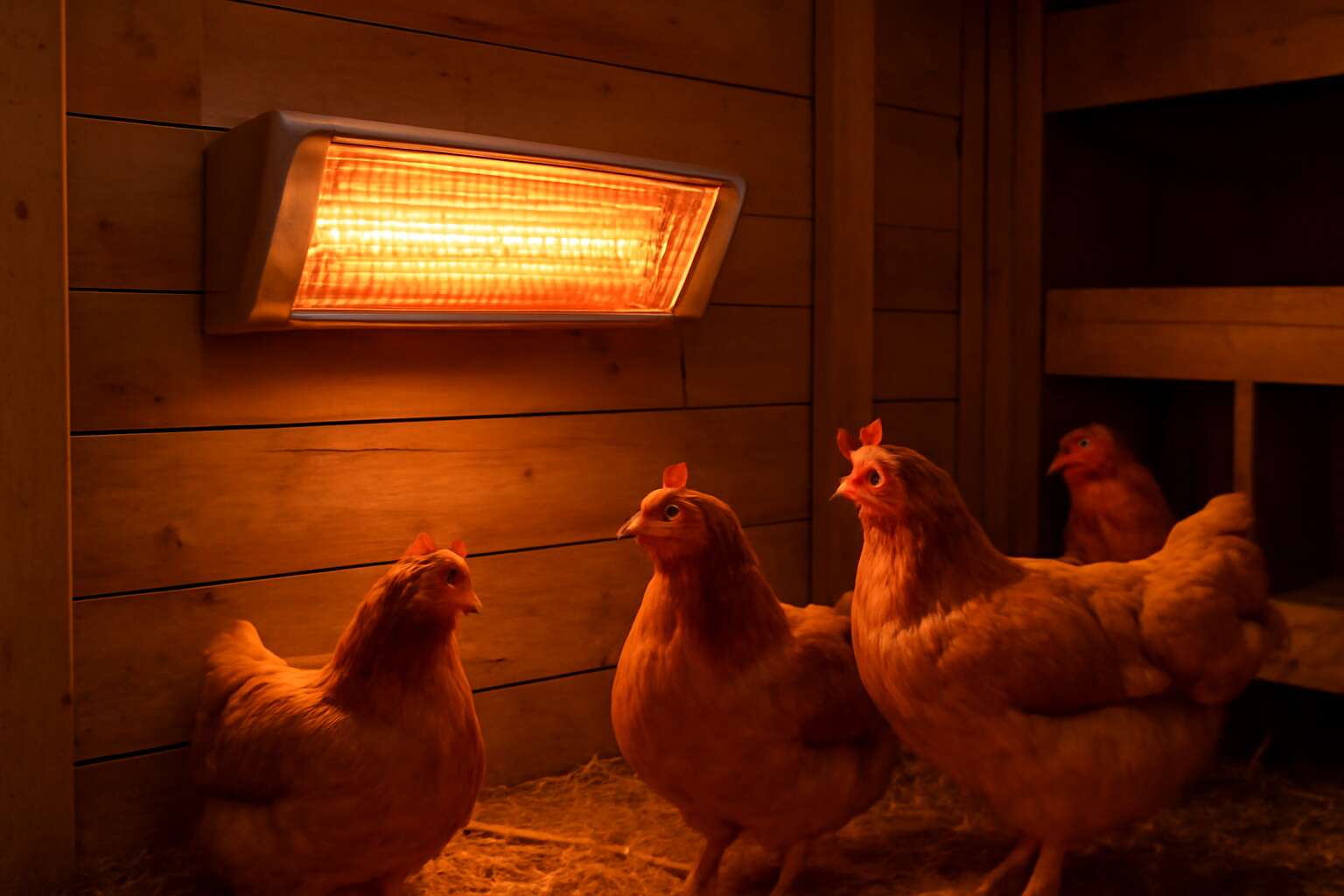
Understanding Poultry Heating Solutions
Assessing Heating Needs for Your Poultry
In South Africa’s farms, warmth isn’t an afterthought—it’s a plan. A well-tuned system of poultry heaters keeps chicks thriving even on frosty mornings, avoiding stunting and waste. “Heat is survival and productivity in one package,” says a farm manager. When you match poultry heaters to climate and flock, you trade guesswork for dependable performance.
Assessing heating needs for your poultry means evaluating a few core variables to avoid over- or under-heating. Start with barn size and layout, insulation quality, and the age and density of your flock—these define the scale of poultry heaters you require. Ventilation, air flow, and available power also shape safe, steady warmth.
- barn size and layout
- insulation quality
- bird age and density
- ventilation and air flow
- power availability and safety considerations
With these factors in mind, you can select a system that delivers reliable warmth without waste.
Primary Heater Types and How They Work
Warmth is the dawn’s promise for a flock. On South Africa’s farms, poultry heaters set the rhythm of life from hatchlings’ first flutter. “Heat is survival and productivity in one package,” a farm manager says, and wingbeats follow.
Infrared radiant panels and heat lamps deliver direct warmth, the way sunlight warms a quiet corner. These radiant systems minimize heat loss and keep chicks thriving with steady, low-drift warmth.
Convection heaters pull air across heated coils, circulating even warmth and banishing cold pockets. Hybrid systems blend radiant comfort with efficient air movement, adapting as the house breathes with the flock.
- Infrared radiant heaters (panels or lamps)
- Convection air heaters and ducted units
- Hybrid radiant-convection systems and gas/oil brooders
Each option carries a different mood for space and power, yet all aim at the same chorus: reliable warmth that travels with your poultry heaters across the day.
Sizing Your Heating System for Space and Stock
Within a brood house, sizing is the melody that keeps chicks in a warm, even chorus. In South Africa’s farms, the right scale for poultry heaters reduces cold pockets by up to 15%, turning shivers into steady comfort, and with it, steady growth becomes almost inevitable.
Sizing begins with space and stock. Age, density, and ventilation sculpt the heat demand, guiding how many BTUs travel through the day. A balanced approach prevents overkill and waste, while preserving a gentle, enveloping warmth for every corner of the house.
Consider these factors to fine-tune the fit:
- Coop footprint and vertical clearance
- Stock age and planned flock size
- Ventilation patterns and drafts
- Insulation quality and external climate
- Heat distribution uniformity of poultry heaters
With the right sizing, warmth travels with the flock, turning morning shivers into morning songs.
Pros and Cons by Climate
Across South African brood houses, a measured warmth can be the difference between shivers and steady growth. Farmers report up to 15% fewer cold pockets when climate control is tuned, turning dawn peeps into confident clucks. Climate swings—from the highveld frost to coastal humidity—shape how we deploy poultry heaters, demanding balance between reliability and air quality. The right system feels like a warm companion, not a stubborn burden!
- Cold climates: steady warmth is a boon; energy needs rise.
- Hot, humid climates: quick heating risks overheating and humidity if not balanced.
- Ventilation matters: good air exchange supports comfort.
Ultimately, climate-informed choices for SA farms align their barns and budgets with the seasons. With the right poultry heaters, warmth supports flock vitality without waste, a small mercy that echoes across the morning roosts and dusty lanes.
Choosing the Right Heater Type for Your Coop
Electric Heaters: Radiant, Ceramic, and Infrared
Across South Africa’s variegated climates, a well-warmed coop can lift chick survival by as much as 12% when warmth is steady and gentle. Choosing the Right Heater Type for Your Coop Electric Heaters: Radiant, Ceramic, and Infrared guides the eye toward a kinder microclimate for poultry heaters.
Radiant, ceramic, and infrared options trade heat for mood—a floor glow, even blanket, or quick, directional warmth. These choices shape the coop’s hush and rhythm as seasons shift.
- Radiant: directs heat to floors and roosts with minimal air disruption
- Ceramic: provides steady, even warmth across the space
- Infrared: delivers rapid warmth to birds nearby and at feeders
Ultimately, the choice threads warmth through every corner of the coop, turning cold nights into a chorus of contented clucks.
Gas and Propane Alternatives
Winter winds sweep across South Africa’s diverse farms, and a nook of steady warmth can transform a flock’s morale. Gas and propane alternatives—biomass pellet stoves, wood-burning models, and solar-assisted systems—these poultry heaters offer reliable heat without cylinders. They keep the air cleaner and the fuel-handling drama low. “Warmth is a quiet currency,” says a veteran SA poultry keeper, and the payoff shows in calm birds and a coop that hums with ready comfort, even on chilly nights.
Explore these poultry heaters paths to sidestep gas and propane while preserving safety and efficiency:
- Biomass pellet stoves designed for coop use, with proper venting
- Wood-burning stoves paired with safe chimneys and airflow
- Solar thermal panels that preheat air or store sun warmth
- Passive solar design and insulation to reduce heat loss
Coop Design considerations for efficient heating
Sustainability meets comfort: in South Africa, well-planned coop heating can trim nightly fuel use by up to 30%, turning cold air into calm birds. “Warmth is a quiet currency,” a veteran SA poultry keeper says, and the coop glows with that truth when the right choice is made.
Choosing the right heater type begins with the coop’s layout—roosts, litter, and airflow guide placement and heat distribution. For poultry heaters, consider how the heat will circulate without stressing birds. A smart design pairs the heater with solid insulation, proper venting, and safe clearances.
- Insulation and wall materials to minimize heat loss
- Ventilation that balances air quality and warmth
- Heater placement to avoid drafts and ensure even heat
Consider heat distribution strategies: keep essential zones near roosts, allow night-time radiant comfort, and use solar-assisted options to augment warmth when sun returns.
Power Requirements and Electrical Safety
In South Africa, nights bite at the tips of even the sturdiest roosts—until your coop aligns with power and comfort. A veteran SA poultry keeper quips, “Warmth is a quiet currency,” and the right poultry heaters quietly cash in on that truth. Choosing the right heater type for coop power requirements and electrical safety isn’t glamorous, but it matters.
To steer your choice, watch these guardrails:
- Power draw and the grid’s capacity
- Electrical safety features and proper clearances
- Weatherproofing and moisture resistance
- Ventilation balance to preserve air quality and heat
When comparing poultry heaters, value a swift warm-up, resilience during outages, and compatibility with insulation. A unit that fits the coop’s personality yields calmer birds and economical energy use.
Indoor vs. Outdoor Use and Weatherproofing
Warmth in a South African night is not a luxury but a lifeline. Choosing the right heater type hinges on whether your coop breathes inside a shed or sits in the open yard. Indoor setups benefit from compact, directional heat that minimizes drafts, while outdoor installs demand rugged enclosures that shrug off winds and rain. Weatherproofing, then, is a quiet pact between you and the birds—protection without stifling air movement, so heat circulates rather than stagnates.
Weatherproofing goes beyond a splash of paint. Seek sealed housings, corrosion-resistant finishes, and moisture-rated components. Ensure cords stay dry and fittings survive humidity. Match heat output to ventilation to avoid damp, stale air. The term ‘poultry heaters’ reminds us that quality weatherproofing is a daily ally.
- IP-rated enclosures
- Sealed, gasketed panels
- Corrosion-resistant finishes
- Moisture-resistant electrical connections
Safety, Compliance, and Best Practices
Safety Standards and Certification
Warmth is the quiet architect of a healthy flock, and in South Africa’s coops and sheds, it must stand up to scrutiny. Safety standards and certification are not gatekeepers but guarantees, ensuring poultry heaters perform without courting fire or failure. The right certification and compliant components help protect both birds and barn hands, turning a simple heat source into a trusted partner in daily farming.
- Certified by recognized bodies (SABS-approved components and electrical safety compliance)
- Clear labeling, protective housings, and reliable temperature control
- Documentation for warranty, maintenance, and local electrical regulations
Best practices emerge from a chorus of local wisdom: choose heaters with robust housing, placed away from bedding and draft, and maintain a predictable warmth that birds can anticipate. In a landscape of variable weather, compliance with national and local electrical standards—backed by credible certifications—turns a heating solution into a steady ally for the flock and poultry heaters.
Monitoring and Alarm Systems
“A well-timed alarm is cheaper than a midnight fire,” quips a veteran South African farmer. In the world of poultry heaters, safety, compliance, and best-practice monitoring fuse into a quiet, dependable watchdog. Real-time sensors track temperature, device health, and airflow, turning heat into steady comfort for the flock.
To make that watchful eye tangible, good systems offer:
- Real-time temperature and humidity monitoring with audible and visual alarms
- Remote alerts via SMS or app for off-site staff
- Data logging for trend analysis and regulatory audits
- Battery backup and tamper-resistant enclosures
- Clear labeling and maintenance reminders
In South Africa, adherence to local electrical regulations and robust housings guard birds and barn hands alike, while a monitored network keeps the whole operation compliant and calm, no matter the weather. A well-woven monitoring and alarm system turns a simple heating setup into a trusted partner in daily farming.
Biosecurity and Maintenance to Prevent Contamination
“Safety isn’t a feature—it’s a practice,” a veteran SA farmer reminds me. On a blustery day, a single lapse around poultry heaters can ripple through the flock and unsettle the barn. Cleanliness buys resilience and time.
Biosecurity and maintenance around poultry heaters go beyond cosmetic care. They forge a calm, compliant barn: dedicated footwear, gear separation, a strict sanitation schedule, tamper-resistant enclosures, and clear labeling. Poultry heaters demand disciplined cleaning and regular maintenance to keep pathogens at bay. In South Africa, align with local electrical and sanitary regulations to safeguard birds and workers.
- Dedicated footwear and gear for each barn
- Regular sanitation of heater surfaces, intakes, and ducts
- Keep feed and water away from heat sources
- Maintain a clear tamper-resistant enclosure with a maintenance log
Energy Efficiency and Cost Management
Energy Efficiency Techniques: Insulation, Zoning, and Thermostats
Across South Africa, well-sealed poultry houses trim winter energy bills by as much as 25%, a figure that tightens the purse without tightropes. Energy efficiency hinges on three levers: insulation, zoning, and thermostats. When these align with poultry heaters, warmth circulates with mercy rather than excess, delivering a more predictable climate for birds and operators alike.
- Insulation that stops drafts and keeps heat where it belongs
- Zoning that directs warmth to active bays and roosts
- Thermostats that pair with sensors for steady, responsive control
Together, these techniques reduce waste, extend equipment life, and lower running costs—a refined approach for SA farms navigating the chilly season.
Cost Comparison: CapEx vs OpEx
Across South Africa, winter energy bills can be tamed by up to 25% when a thoughtful CapEx vs OpEx strategy backs poultry heaters. A higher upfront investment yields durable gear, longer warranties, and lower long-term energy draw, while OpEx keeps cash flow agile with predictable monthly outlays. The right balance turns a chilly barn into a steady, bird-friendly climate—and a healthier bottom line.
- CapEx advantages: ownership, depreciation potential, and long-term durability of the heating system
- OpEx advantages: predictable monthly costs, easier budgeting, and flexible service options
- Hybrid approaches: staged installations or lease-to-own to balance risk and reward
With this heating system, expect to weigh lifecycle costs, maintenance coverage, and scalability within local financing terms. This cost-conscious lens ensures the warmth you invest in yields steady returns for both flock and farm.
Rebate Programs and Incentives
Energy efficiency isn’t a luxury; it’s a shield against volatile bills. In South Africa, rebate programs and incentives are steadily bending the economics of warmth—making poultry heaters a smarter investment. When upgraded with efficient controls and proper siting, a barn can sip energy rather than gulp it, trimming winter heating costs without compromising comfort for the birds. The result is steadier cash flow and a more resilient flock, especially when incentives shorten the payback window.
Several incentive avenues help farmers stretch the benefit. Look for government and utility rebates for energy-efficient equipment, tax incentives for capital investments, and flexible financing options that turn capex into manageable monthly costs.
- Government or utility rebates for energy-efficient equipment
- Tax incentives or accelerated depreciation on energy upgrades
- Financing options such as lease-to-own or green loans
Fire Hazard Prevention and Fire-Resistant Materials
Across South Africa’s chilly farms, energy-smart choices keep barns warmer without blowing the budget—many producers report up to 25% lower winter energy bills after embracing efficient poultry heaters.
Smart siting and intelligent controls turn heat into a steady companion rather than a gust that vanishes into the night. The result is a calmer barn and steadier flocks.
- Fire-resistant housings and coatings
- Sealed electrical connections and IP-rated casings
- Automatic shut-off and flame-safeguard sensors
Cost management becomes a choreography of upfront value and long-term reliability. Investing in durable poultry heaters with strong service support helps smooth cash flow, while warranties and predictable maintenance costs keep the season’s books balanced.
When warmth is guided by safety and sustainability, the coop feels like a guarded sunrise—bright, efficient, and reliably warm.
Installation Tips and Professional Help
In South Africa’s frost-laced barns, a smart energy plan can slash winter bills by as much as 25%. Farmers watching meters fall are savoring a quiet victory as the cold stays outside and warmth stays in.
Energy efficiency becomes a careful choreography of placement, insulation, and reliable controls. When quality poultry heaters are paired with professional installation and a service network, heat becomes a steady companion rather than a fleeting gust.
To keep this balance, consider these high-level pillars:
- Licensed technicians handle installation and inspection
- Warranties and authorized service ensure predictable maintenance
- Regular performance reviews through the service network support reliable uptime
That constellates warmth with prudence, turning the coop into a guarded sunrise where every feathered heartbeat echoes with steady light!
Seasonal Adjustments and Heat Loss Calculations
Across frost-tinged barns, energy efficiency is less a single device and more a living balance. When poultry heaters are harmonized with the season, winter bills can shrink by up to a quarter, and warmth becomes a quiet, constant companion rather than a grudging guest.
Seasonal adjustments demand a sharper read on heat loss: how roof and wall gaps behave in biting mornings, how ventilation interacts with stacked warmth, and how thermal mass can dampen swings. A careful, ongoing assessment keeps the system from overshooting or cooling too quickly.
- Envelope integrity to reduce drafts
- Ventilation balance to retain heat without humidity spikes
- Thermal mass and insulation effectiveness
With that lens, service networks and warranties become not extra cost but a predictable heartbeat—monitoring, maintenance, and timely restarts. The result is a coop that breathes steadily, where poultry heaters support sustainable production rather than chase the weather.
Maintenance, Troubleshooting, and Longevity
Routine Maintenance Schedule
Maintenance keeps poultry heaters reliable through South African winters, where a chilly dusk can drop temperatures fast. Regular care guards against corrosion and dust buildup. A simple approach involves keeping fittings sound, vents clear, and the space around the unit maintained. They perform best when kept clean and dry.
- Inspect electrical connections for wear
- Keep vents clear of dust
Troubleshooting focuses on early signs. Unusual buzzing, erratic warmth, or a drop in heat may signal worn wiring, thermostat drift, or gas supply issues in models. Start with a quick visual check, confirm power, and ensure airflow isn’t blocked by bedding or debris.
Longevity routine maintenance schedule: A typical plan uses monthly visual checks, quarterly calibration of controls, and annual professional servicing. Keeping records helps track wear and renewal needs, extending the life of the system and protecting the flock through changing seasons.
Troubleshooting Common Issues
Maintenance keeps poultry heaters reliable through South African winters. A simple regimen—checking fittings, keeping vents clear, and maintaining a dry surrounding—extends life and guards against corrosion. When the area around the unit stays clean and unobstructed, performance remains steady, and the flock stays safer—and frankly, that’s good business.
Troubleshooting focuses on early signs of trouble. Unusual buzzing, erratic warmth, or a sudden dip in heat may signal worn wiring, thermostat drift, or fuel delivery issues. Recognising these symptoms helps protect the system before a minor quirk becomes a bigger problem—foresight that pays dividends at dawn.
- Unusual buzzing
- Erratic warmth
- Drop in heat
Longevity comes from documentation and professional servicing. In the ledger of the coop, longevity is a badge of honour. A simple record-keeping habit helps anticipate renewal needs, ensuring a longer service life for the unit and the flock across changing seasons.
Longevity and Replacement Guidelines
Maintenance keeps your poultry heaters reliable through South Africa’s winters. Inspect fittings, vents, and drainage; keep the area dry and free of clutter. A simple regimen reduces downtime and protects the flock, translating into steadier performance and safer margins.
Troubleshooting focuses on early warning signs. Unusual buzzing, erratic warmth, or a sudden dip in heat can signal worn wiring or thermostat drift. Address small faults before they spread, preserving uptime at dawn.
Longevity depends on records and regular service. Log dates, parts replaced, and corrosion checks. For these units, a professional tune-up every year or two extends life and safeguards the flock.
Selecting Reputable Brands and Warranties
Maintenance keeps poultry heaters loyal through South Africa’s chilly winters. A tidy coop, dry floor, and a simple rhythm of checks prevent small problems from spiralling. Good upkeep translates into fewer outages, safer margins, and happier birds.
Troubleshooting centres on spotting early warning signs. Unusual buzzing, erratic warmth, or a sudden dip can hint at worn wiring or thermostat drift. Treat these as signals and keep the dawn chorus uninterrupted.
- Trusted brands with clear warranties
- Strong parts availability and local support
- Transparent terms and service networks
Longevity hinges on records and sensible service. A simple log of maintenance dates, part replacements, and corrosion checks, paired with a professional tune-up every year or two, extends life and protects the flock.



0 Comments