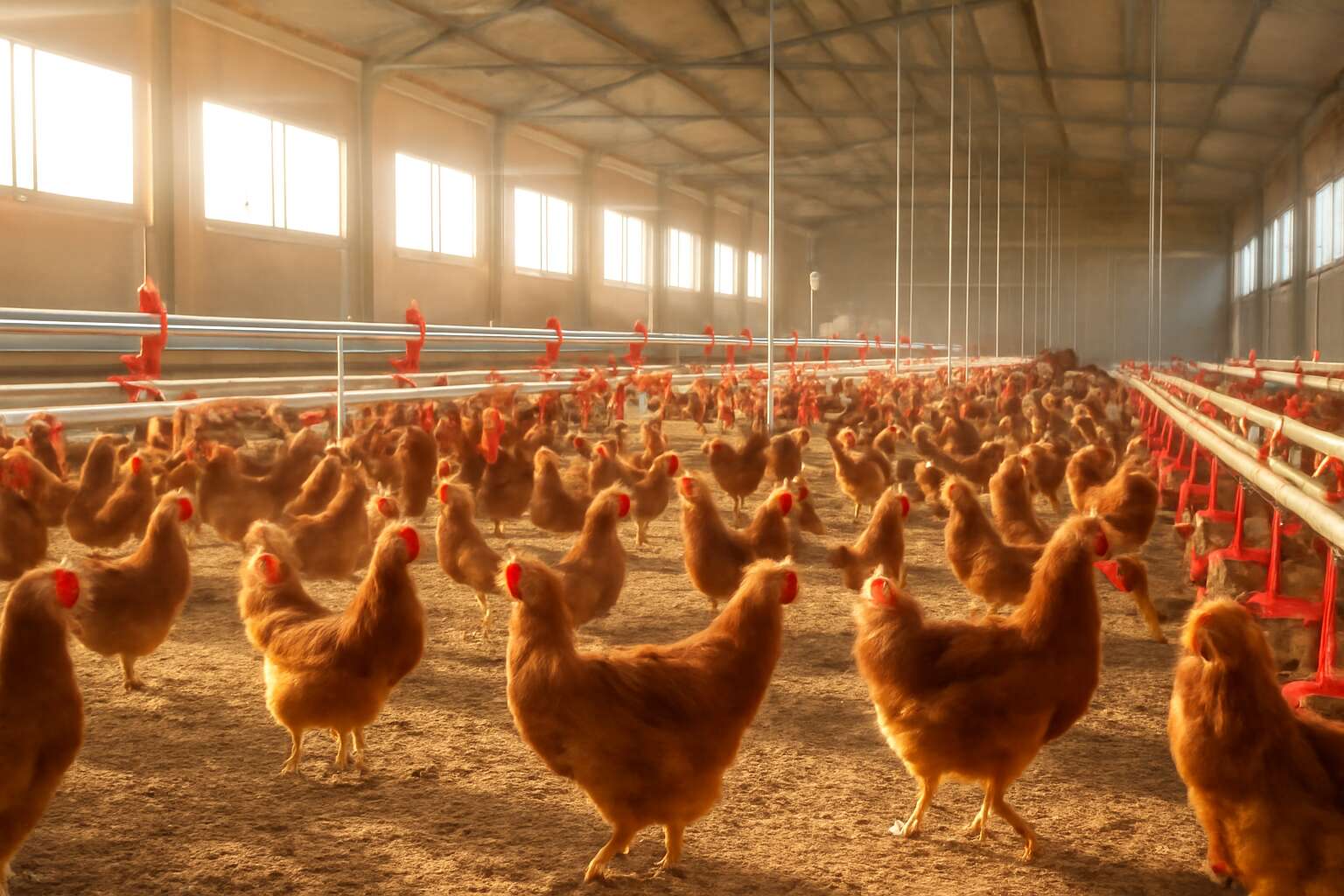
Poultry farming fundamentals
Overview of poultry farming and its role in the food system
Sunrise over the Cape flats finds the coop alive with the hum of futures. In South Africa, what poultry farming yields is more than meat; it anchors nutrition, livelihoods, and regional markets. The dawn chorus becomes a quiet ceremony linking farm gates to city tables, turning simple protein into a shared practice across towns and townships!
Fundamentals sit at the seam where biology meets logistics: breed choices, housing, feed, and welfare—tuned to the South African climate. The alchemy is balance: birds convert feed into vitality, while clean water and ventilation keep illness at bay. Key elements include:
- Breed selection and genetics
- Nutrition and feed management
- Housing design, ventilation, and biosecurity
Together, the system stitches a resilient food web—supporting rural economies, connecting hatcheries to markets, and delivering dependable protein while respecting climate, regulation, and tradition!
Key poultry species and production outputs
Poultry farming whispers from dawn, a quiet engine turning feed into futures. Understanding what poultry farming asks of genetics, nutrition, and shelter is to glimpse a modern protein web. The fundamentals in South Africa balance local climate with welfare, ensuring birds thrive while waste becomes value.
Key poultry species and production outputs include:
- Broilers — rapid growth to market weight for dependable meat output
- Layers — steady egg production powering households and markets
- Breeders — genetics and hatchability that fuel the entire cycle
- Turkeys and ducks — seasonal, premium products diversifying the farm’s portfolio
These species stitch a resilient supply chain, translating climate-smart husbandry into meals and livelihoods across South Africa’s towns and townships—what poultry farming delivers.
Starting a small-scale poultry farm: initial considerations
Morning light drapes the yard as coops settle into a measured rhythm. In South Africa, poultry remains a leading source of affordable protein, and new farms learn to read climate, welfare, and market signals. This is what poultry farming asks of shelter, feed, and care.
Starting small means recognizing space, ventilation, and water as living partners rather than afterthoughts.
- Site selection and housing design that promote airflow and cleanliness
- Reliable water quality and steady feed access
- Biosecurity measures and routine health safeguards
- Waste management that recovers value and minimizes odor
Local context shapes every choice, from microclimates to nearby feed mills, inviting a patient, cyclical rhythm rather than a sprint! The result is a story of steady, quiet yield and growing resilience.
Poultry farming operations and housing
Designing poultry houses for health, efficiency, and safety
In South Africa, smarter poultry housing is a quiet revolution—turning barns into controlled environments where birds grow healthier and producers see steadier yields. This is what poultry farming demands: shelter that shields against heat, humidity, and disease while maximizing feed efficiency. A well-placed house reduces stress, while precise temperature and humidity control supports consistent growth and better egg or meat quality. The right design pays back in fewer losses and calmer flocks.
Designing for health, efficiency, and safety means smart layout and resilient materials. Key priorities include airflow, litter, and biosecurity that blend with your local climate and operation.
- Ventilation and climate control to keep birds comfortable and ammonia low
- Litter and flooring that stay dry and easy to clean, reducing dermatitis
- Secure, hygienic access points and pest-proofing to protect farms from disease
In practice, these choices echo across SA’s farms, adapting to varying climates and feed strategies.
Ventilation, lighting, and climate control
Across South Africa’s poultry houses, a quiet revolution is reshaping outcomes. When climate control is precise, barns breathe, flocks stay calmer, and yields hold steady. Understanding what poultry farming becomes with measured ventilation and light is revealing!
Operations hinge on a humane, efficient indoor climate. Ventilation, lighting, and climate control tame heat, ammonia, and humidity swings, letting birds grow with fewer stressors. In SA’s varied climates, design must harmonize airflow, litter, and biosecurity.
- Ventilation that moves air gently and evenly, avoiding drafts
- Lighting plans that follow natural rhythms and support feed efficiency
- Climate control that holds stable temperature and humidity to lessen stress
From feed room to barn floor, the atmosphere dictates growth, welfare, and meat or egg quality. The right housing makes a measurable difference in South Africa’s competitive markets.
Flooring, litter management, and sanitation
This is what poultry farming becomes when space and texture invite birds to move with ease. In South Africa’s varied climates, the floor carries more than weight—it carries welfare, performance, and the quiet dignity of a well‑managed flock.
Flooring choices, from rugged concrete to elevated slats, shape moisture flow and comfort. I’ve seen litter sit as a living moderator, absorbing dampness and ammonia while giving birds a stable, non-slip surface that supports calm, steady growth even on long days.
- Durable, moisture‑wicking surfaces that reduce slip and biofilm.
- Strategic litter depth and material that cap ammonia without stressing the birds.
- Sanitation‑friendly layouts that simplify routine cleaning and minimize cross‑contamination.
Sanitation and litter management close the circle, tying daily care to robust health in climate‑smart SA operations.
Biosecurity protocols to prevent disease
“Biosecurity is the first line of defense,” echoes through the dawn as what poultry farming asks for—a discipline of hygiene and airtight perimeters, a heartbeat aligned with biosecurity protocols to prevent disease. Housing stands as a quiet fortress—perches, drinkers, and litter moving in harmonious balance—where ambiance and structure converge into health and dignity!
- Strategic zoning that keeps high‑risk activities separate from the flock
- Clean, durable materials and smooth transitions to ease inspection and reduce contamination
- Controlled access, visitor management, and dedicated clothing concepts at farm gates
- Health surveillance, quarantine thinking, and record keeping to guide decisions
Across climate-smart South Africa, these principles thread through every season, marrying efficiency with the quiet dignity of a disease-free flock.
Poultry farming management practices
Feeding strategies and nutrition optimization
What poultry farming really demands is sharp nutrition planning. In South Africa, precise feeding programs can lift feed conversion by as much as 12%, turning grain into growth with less waste. Nutrition should track growth phases, birds’ age, and production targets—data-driven decisions, not guesses.
- Phase-specific feeds (starter, grower, finisher) with matched protein and energy profiles.
- Automatic, evenly-timed feeding to minimize waste and variation.
- Regular monitoring of weight gain and feed intake to adjust rations quickly.
Pair nutrition with clean water, consistent housing microclimate, and fresh litter management awareness to maximize conversions and animal welfare in a SA context!
Water management and hydration monitoring
“Water is the breath of life for a flock,” a weathered proverb murmurs, and in South Africa’s furnace they suffer or shine by what they drink. In what poultry farming demands, hydration is the quiet governor—slip, and the whole system falters.
Water management and hydration monitoring hinge on a reliable supply, clean sources, and temperature-friendly delivery. A steady current keeps feed conversion honest, birds thriving through the heat, and waste down to a whisper!
- Water quality, consistent availability, and clean drinkers as the invisible engine
- Hydration signals—thirst, drinking rate, and litter dampness—as soft barometers
- Design and maintenance that prevent contamination, leaks, and temperature swings
Balance in these waters is the poetry behind poultry farming’s daily toil.
Growth, flock health, and welfare monitoring
In essence, what poultry farming demands is a balance between growth, health, and humane care. Growth curves aren’t mere numbers; they’re the flock’s pulse—uniform weight gain and steady feed conversion, even under South Africa’s sun.
Growth management hinges on tracking trajectories and nutrition alignment. The SA climate adds grit—hot days demand energy-dense diets and cool-downs that keep birds calm and conversion on track.
Flock health thrives on proactive surveillance—routine checks, vaccination programs where appropriate, meticulous biosecurity, and rapid reporting of odd signs. Healthy flocks translate into predictable performance and steadier margins.
Welfare monitoring reads the flock’s mood through live cues and subtle signals. Look for balance, mobility, and comfort as the baseline:
- Body condition and weight uniformity
- Mobility and feather condition
- Litter dryness and comfort
- Engagement with enrichment
Common health challenges and prevention
In understanding what poultry farming really takes, it’s steady judgement—balancing growth, health, and humane care under South Africa’s shifting climate. “Health is the true currency of the coop,” a veteran farmer notes, and the line lands as seasons test birds and budgets.
Management hinges on routine, vigilance, and adaptable nutrition. Monitor feed conversion, keep water clean, and enforce basic biosecurity. When health flags appear, act quickly with preventive measures and vaccination where appropriate; rapid reporting keeps problems from spiraling and margins predictable.
- Common health challenges: coccidiosis, respiratory issues, enteric infections
- Prevention pillars: biosecurity, vaccination where appropriate, clean water
- Early signs: reduced intake, lethargy, dehydration
Even on hot SA days, energy-dense diets and cooling strategies keep birds calm and conversion on track. Welfare shows in mobility, litter comfort, and flock engagement—the flock’s mood is the true barometer of farm performance.
Economic and market considerations in poultry farming
Costs, budgeting, and initial investment
Profit in poultry farming hinges on the numbers you pencil in before day one. In South Africa, the biggest drivers are feed, housing, and chicks, with utilities and transport adding up fast. The question isn’t just how much you can charge for eggs or meat, but how you manage costs against variable market prices. What poultry farming isn’t is luck; it’s a disciplined budget that accounts for predictable expenses and the surprises that come with weather, feed volatility, and demand shifts.
- Capital costs: housing, equipment, and chicks
- Operating costs: feed, utilities, litter, and veterinary basics
- Financing and risk management: credit terms, insurance, and budgeting buffers
Financing options and SA market realities shape when you can invest and when you see a return. Currency swings, seasonal demand, and local buyers all influence the break-even point. A clear, real-time budget keeps you steady during price swings.
Pricing, markets, and demand trends
Pricing, markets, and demand trends shape every decision in what poultry farming can become for South African farmers. Seasonality claps at the door: festive periods push egg and chicken prices up, while drought can squeeze feed costs and tighten consumer wallets at the same time. Currency swings add another layer of risk, nudging import prices and export opportunities in unpredictable ways.
Understanding these currents helps you forecast revenue and align production with buyers—from large retailers to local kiosks. I watch price signals, volume forecasts, and alternative markets daily, and you should too! A real-time view of these cues keeps you nimble. Consider channels like direct-to-consumer sales, wholesalers, and contract farming with supermarkets; each carries different price ceilings and payment terms.
- Direct-to-consumer orders
- Local markets and kiosks
- Retail contracts and distributors
Record-keeping, compliance, and certifications
In South Africa, the margin dancer is data. A recent snapshot shows that compliance and traceability can influence up to 15% of a flock’s bottom line. “what poultry farming” means here is more than birds and barns; it’s a ledger that travels with every shipment, a narrative of origin and safety.
Record-keeping becomes a compass: vaccination logs, feed records, mortality tracking, and audit trails that reassure buyers—from large retailers to local kiosks. Compliance threads through daily routine and long-term strategy, quietly shaping trust and access to markets.
- HACCP and food safety management
- ISO 22000 or GLOBALG.A.P. when targeting export markets
- South African certifications and DALRRD compliance requirements
Certification conversations may seem distant, but they unlock doors to premium pricing and steadier contracts while keeping the flock healthy and the supply chain resilient.
Risk management and insurance options
Risk in poultry farming is not an abstract worry—it’s a companion that rides every cart and crate. In South Africa, what poultry farming means goes beyond birds and barns; it’s a ledger that travels with every shipment, a story of origin and safety. A robust risk strategy protects margins when feed costs spike or an outbreak reshuffles the deck.
- Livestock mortality insurance to cover sudden deaths and disease shocks
- Business interruption cover for downtime from outbreaks, power cuts, or staff shortages
- Supply chain and cargo insurance to safeguard shipments and cold chain integrity
- Public liability and product recall protection for consumer-facing risk management
For a market as nuanced as South Africa’s, align coverage with local realities and insurers who speak agriculture—so risk stays a manageable cost of doing business, not a memory through the next audit.
Technology and automation options
South Africa’s poultry market is a barometer of demand and input costs. In this climate, what poultry farming looks like is less about birds and more about margins—how feed converts to meat, how processing scales, and how finance terms shape cash flow. Grain price spikes can swing margins by double digits—margin discipline matters!
- Automated feeders and water systems that optimize intake with minimal waste
- Climate and energy sensors linked to a management platform for real-time adjustments
- Automated data logging and predictive analytics to forecast demand and maintenance
Technology and automation options aren’t optional upgrades; they protect capacity to meet markets, from local retailers to export partners. Smart tools turn capex into measurable ROI and help SA producers navigate volatile feed and fuel costs!

0 Comments