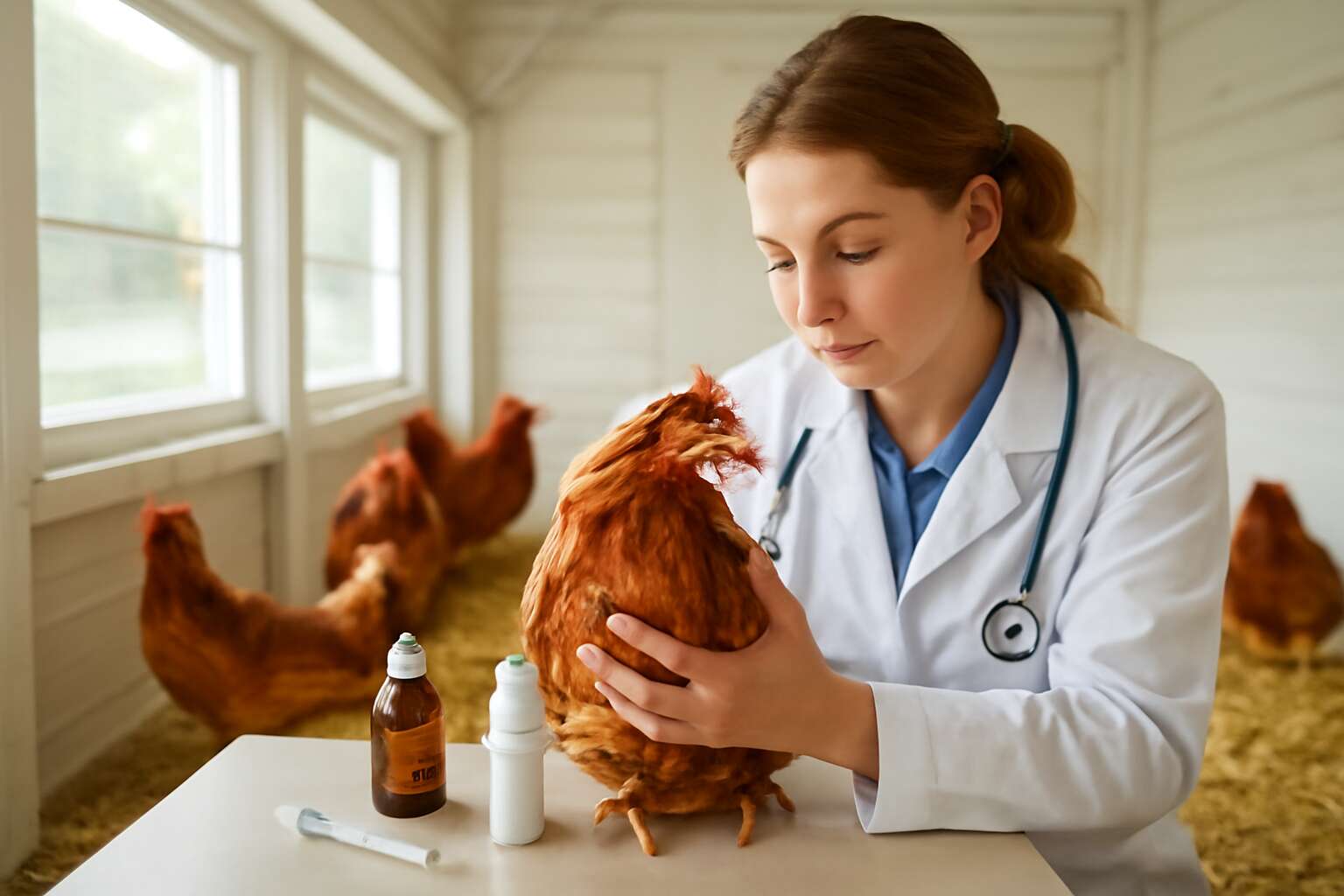
Common Poultry Diseases: Overview and Early Signs
Respiratory diseases in poultry: signs, transmission, and impact
A seasoned poultry vet once whispered, ‘one sneeze in a crowded shed can echo for days.’ In South Africa’s farms, poultry diseases and their treatment shape every season from hatchery to coop. Quick recognition keeps flocks healthy and profits intact.
Respiratory diseases in poultry travel fast, turning calm mornings into tense checklists. Early signs include coughing and gasping, nasal discharge, watery eyes, and reduced appetite. Transmission thrives through shared water, equipment, and contact with infected birds.
- Coughing, sneezing, and laboured breathing
- Nasal and ocular discharge
- Reduced appetite and ruffled feathers
- Tightened wing posture or distress
Impact can be severe: stunted growth, drop in egg production, and higher feed-to-gain ratios. Spotting these early signs in time helps maintain flock vigor and avoid cascading losses.
Digestive and metabolic diseases: symptoms to watch
A seasoned farmer whispers, “An off-feed day can topple a season’s fortune.” Across South Africa’s farms, digestive whispers rise quietly, turning calm mornings into patient rounds of observation.
Common poultry diseases and their treatment begin where digestion meets metabolism. Early signs emerge as subtle shifts—appetite falter, droppings change hue, and energy ebbs like a fading sun.
- Disturbed appetite or weight loss
- Abdominal distension or bloating
- Diarrhea or pale, watery droppings
- Lethargy and ruffled, unsettled feathers
This overview offers readers a lens into the terrain of poultry diseases and their treatment, helping South African farms keep flocks sturdy through season.
Viral infections common in backyard flocks
Across South Africa’s growing backyard flocks, viral infections can surge with quiet speed, turning a calm morning into a race against time. Understanding poultry diseases and their treatment begins with spotting early signs that flutter beneath routine checks—small cues that save birds and livelihoods.
In backyard settings, viral infections such as Newcastle disease, infectious bronchitis, avian influenza, Marek’s disease, and infectious bursal disease are common culprits. These pathogens spread quickly when flocks share equipment or mingle with wild birds.
- Drop in appetite and lethargy
- Breathing difficulties, coughing, or sneezing
- Nasal or eye discharge
- Swelling of the face, wattles, or legs
Early signs can be subtle, from a ruffled appearance to unexplained production dips. A vigilant eye—paired with professional guidance—helps stem an outbreak before it spreads through the coop’s hush of routine life.
Bacterial and parasitic diseases: prevention and early detection
A calm dawn can mask a crisis in SA’s backyard flocks. poultry diseases and their treatment become essential when trouble first whispers through the coop, because early detection saves birds and livelihoods.
Bacterial and parasitic infections sneak in via shared gear, wild birds, or dirty water. Early symptoms are often subtle—unwillingness to perch, listless eyes, abnormal droppings—yet they can swell quickly into something you can’t ignore.
Prevention and early detection hinge on quiet, consistent practices:
- Biosecurity discipline across the coop
- Veterinary-guided health management and surveillance
- Structured observation of birds’ behavior for subtle changes
Ask a vet to distinguish culprits and guide care, keeping the flock steady as sunrise over the Karoo.
Diagnosis and Testing for Poultry Illnesses
On-farm observation and clinical assessment
Flocks whisper health secrets in feathers and footfalls. In South Africa’s varied climates, a single quiet cluck can mask a looming illness. A sharp eye on on-farm observation and clinical assessment can catch trouble before it spirals. “Symptoms are rumors until the lab speaks,” a veterinary mentor likes to say. This piece on poultry diseases and their treatment focuses on what you can see—and what to test—before the flock pays the price.
- Behavior shifts—less active
- Appetite and water changes
- Respiratory cues—coughing, labored breath
- Abnormal droppings and color
When signs persist, diagnostics become the compass. Lab-based PCR, culture, and post-mortem insights help confirm culprits and sharpen the path in poultry diseases and their treatment. Always collaborate with a veterinarian to interpret results and maintain biosecurity.
Rapid point-of-care diagnostics for poultry
Across South Africa’s diverse climate zones, a single cluck can hide a brewing storm. Farmers report losses running into the millions each year, so rapid, field-friendly diagnostics are a lifesaver! In this view, poultry diseases and their treatment hinge on timely clues; when the lab speaks, the path becomes clear and the birds breathe easier.
- On‑farm PCR swab kits with quick readouts
- Immunoassay strips for antigen detection
- Portable fecal smear checks with gentle microscopy
- Nearby lab culture and sensitivity confirmations
Always partner with a veterinarian to interpret results and safeguard biosecurity across the flock.
Laboratory testing: when and what to test
Flocks don’t lie. When losses mount and quick fixes fail, lab testing turns suspicion into certainty, guiding what to treat and when to act. This is how poultry diseases and their treatment become clearer and safer for the flock.
- When to test: sudden mortality, lingering illness beyond 72 hours, or outbreaks that jump between houses
- What to test: samples such as swabs, blood, or tissue sent to an accredited lab for confirmatory assays
Laboratories run PCR panels, culture and sensitivity, serology, and histopathology to confirm pathogens and tailor therapy. Always coordinate with a veterinarian to interpret results and maintain biosecurity across the flock.
Differential diagnosis and record-keeping for disease cases
Across South Africa’s rural farms, diagnosis and testing turn uncertain signs into decisive steps. Differential diagnosis guides the flock manager from guesswork to targeted action, translating symptoms into a clear plan for poultry diseases and their treatment. Sound record-keeping becomes the backbone, linking clinical notes to lab results and biosecurity decisions.
Samples—swabs, blood, or tissue—should reach an accredited lab for confirmatory assays, while on-farm records map events: onset, mortality, house, age, feed changes, and treatments tried. With a vigilant notebook, a veterinarian can tailor therapy and reinforce containment measures, safeguarding both the flock and farm livelihoods.
- Date observed
- Location/house
- Flock age and size
- Principal signs
- Mortality data
- Environment notes
- Treatments and outcomes
- Sample details
- Vet contact
Treatment Approaches: Medication, Therapy, and Supportive Care
Antibiotics and antimicrobial stewardship in poultry
Across South Africa’s flocks, timely treatment can cut mortality by up to 30%, a statistic that makes grim numbers feel manageable. In practice, treatment approaches blend diagnosis with care, and the idea of poultry diseases and their treatment serves as a practical compass rather than a buzzword. When keepers and clinicians align, outcomes improve.
- Medication: targeted use of antibiotics and other antimicrobials only when diagnostics indicate a bacterial infection, preserving efficacy for future cases.
- Therapy: supportive measures such as fluids and electrolytes, temperature regulation, and comfortable housing to bolster recovery.
- Supportive Care: nutrition, fresh water, and clean litter to minimize stress and secondary complications.
Antibiotics are not a universal solvent; antimicrobial stewardship remains essential. Use should be guided by evidence, with attention to withdrawal times and local regulations. Emphasis on preventive vaccination, hygiene, and biosecurity keeps the flock’s health narrative robust—and, some would call it civilized!
Antiparasitic treatments for common infections
Treatment isn’t a spray-and-pray moment; it’s diagnosis first, action second—here in South Africa. Medication targets confirmed bacterial infections, while antiparasitic treatments are deployed for worms and ectoparasites. This measured approach keeps efficacy high and avoids wasteful drug use—think science, not superstition!
- Fenbendazole for gastrointestinal worms
- Ivermectin for external parasites and some internal worms, used with care
- Pyrantel pamoate as a broad-spectrum dewormer
Therapy means more than pills: fluids and electrolytes, temperature balance, and comfortable housing to bolster recovery. Supportive care ensures nutrition, fresh water, and clean litter, minimizing stress and secondary complications. This is a cornerstone of poultry diseases and their treatment.
Vaccination as part of treatment strategy and outbreak control
The flock waits in the fading light while a quiet statistic lingers in the air: an outbreak can halt weeks of labour in a single dawn. In South Africa, care hinges on prevention and timely action. “Care is the first line of defense,” says the vet, and poultry diseases and their treatment follow that creed.
Medication, therapy, and supportive care form a triad that guides the flock back to health. A brief framework:
- Medication: targeted, judicious use of approved medicines
- Therapy: fluids, electrolytes, temperature balance
- Supportive care: clean housing, nutrition, fresh water
Vaccination is part of the treatment strategy and outbreak control. In South Africa’s varied climates, vaccination programs help reduce the impact on both backyard and commercial flocks. This integrated approach—diagnosis, care, and stewardship—keeps birds resilient and producers steady.
Supportive care: nutrition, hydration, and barn environment management
Understanding poultry diseases and their treatment hinges on a simple truth: recovery is a concert, not a solo. In SA farms, a single day of downtime can ripple into weeks of challenge. Medication, Therapy, and Supportive Care form the triad that steadies birds and keeps producers steady.
- Medication: targeted, judicious use of approved medicines, with discipline to protect food safety.
- Medication: rotate drug classes when appropriate to slow resistance and preserve future options.
- Therapy: fluids, electrolytes, and temperature balance to support vital systems.
- Therapy: careful monitoring and rest to reduce stress and aid recovery.
- Supportive care: clean housing, nutrition, and access to fresh water.
- Supportive care: ventilation and litter management to keep the environment calm.
Together, these approaches translate into healthier flocks and more predictable outputs across South Africa’s diverse climates.
Prevention, Biosecurity, and Farm Management
Biosecurity protocols for different flock sizes
Vaccination planning and herd immunity strategies
South Africa’s poultry sector loses a startling percentage of birds to preventable illnesses each year, underscoring a simple truth: prevention outperforms treatment. When we consider poultry diseases and their treatment, the thread that ties it all together is disciplined prevention across the flock, enclosure, and routines.
Prevention also hinges on robust biosecurity, smart vaccination planning, and an understanding of herd immunity—tools that keep outbreaks small and manageable. For South Africa’s farmers, simple, consistent routines beat flashy technology when it comes to protecting birds and livelihoods!
- Align vaccination windows with hatchery schedules
- Segment flocks to reduce cross-contamination
- Regularly audit sanitation and access controls
Vaccine planning becomes a farm management strategic act, with cohorting, all-in/all-out movements, and record-keeping forming an ethos of proactive care. In the end, herd immunity strategies are a shared responsibility, shaping resilience across SA poultry operations.
Sanitation, waste management, and vector control
South Africa’s poultry landscape proves a blunt truth: prevention outperforms treatment, time and again. “Prevention isn’t glamorous, but it’s indispensable,” a seasoned vet often says, and that sentiment rings especially true in crowded sheds and sprawling backyards alike.
Prevention rests on disciplined biosecurity, well-timed vaccination planning, and the discipline of cohorting and all-in/all-out movements. When we examine poultry diseases and their treatment, the ledger favors consistent routines, robust record-keeping, and a shared ethic of herd resilience over reactive fixes.
Sanitation, waste management, and vector control complete the shield—keeping barns inhospitable to pathogens while protecting people and livelihoods.
- Clear access controls
- Waste and manure management
- Pest and vector monitoring
Stress reduction and housing design to minimise disease risk
Across South Africa, up to 15% of flock value evaporates into disease each year; prevention, not cure, keeps margins intact. Understanding poultry diseases and their treatment begins with what happens before birds arrive—clean pens, calm routines, and vigilant observation.
Biosecurity is the shield between thriving flocks and invisible invaders. Controlled access, clean clothing, and gear for each shed reduce pressure at the source and save the day with quiet, steady returns.
- Footbaths at every entry and secure perimeter
- Dedicated footwear for each zone
- Visitor protocols with logging and escorting
- Equipment zoning to prevent cross-contamination
Beyond gates, stress-reducing housing design matters—steady temperatures, dry litter, and ample airflow calm birds and bolster immunity. In South Africa’s climate, thoughtful housing minimizes heat stress and supports steady feeding. A humane approach to poultry diseases and their treatment emerges from such design.




0 Comments