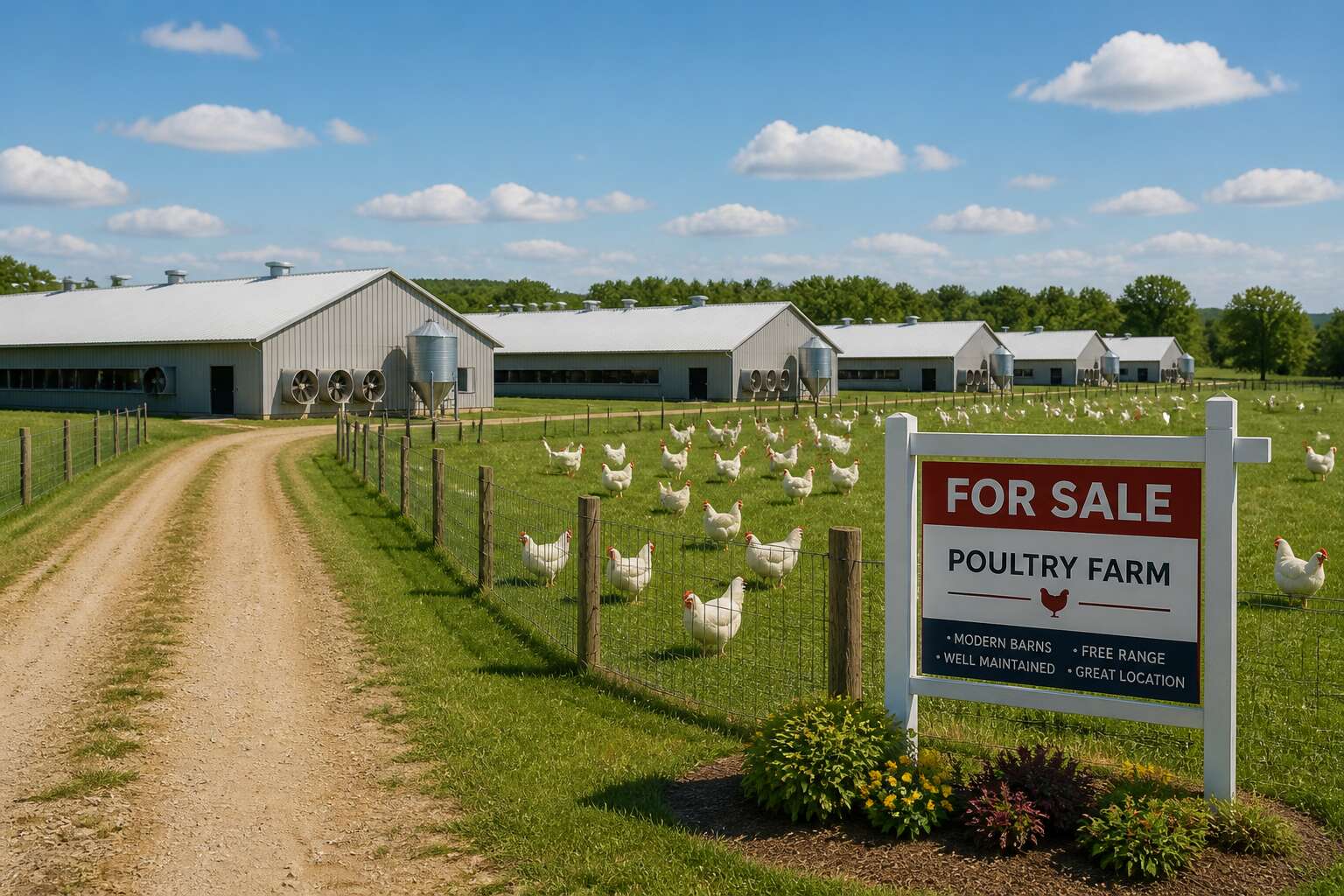
Assessing the Value of an Existing Poultry Operation
Understanding Asset Valuation vs. Income Valuation
In the hushed corridors of South African agribusiness, the value of a poultry business for sale is rarely what it appears. Asset valuation counts the coops, the feed silos, the incubators, the very bones of the farm. Income valuation, however, peers into the ledger, tracing the flow of rand through sales and mortality rates. The former offers a snapshot; the latter, a prophecy. To assess an existing operation, one must weigh both. Consider these factors:
- Age and condition of equipment
- Consistency of supplier contracts
- Labour force reliability
A hulking barn may glint with promise, yet if its cash flow has bled for three seasons, the asset is a mausoleum. Conversely, a modest setup with steady profit tells a livelier story. Trust the numbers, not the shine.
Analyzing Production Capacity and Facility Age
A poultry vet told me once: a house that delivered 100 percent in year one will underperform by year ten. Production capacity on a listing comes from the best month, not the average month. When you evaluate a poultry business for sale, the real figure appears in the daily grow-out records, not the brochure.
The facility’s age changes what is achievable. Fans lose airflow efficiency with dust load. Insulation compacts. Concrete floors develop micro-cracks from previous flocks. Each quietly reduces the number of birds you can house at proper commercial density.
A useful inspection list includes:
- The width of the grow-out houses, since narrow designs limit modern feeder lines.
- The condition of the feed delivery augers, which wear unevenly with age.
- The electrical panel’s load capacity, which determines whether you can add automation later.
Match the listing’s capacity claim against the last twelve months of broiler placement sheets. The truth of an older poultry business for sale is on those pages!
Reviewing Flock Health Records and Mortality Rates
Average mortality can lie. A 2 percent rate looks fine until you notice the same week every year, the number spikes to 7. That pattern shows seasonal control failures. Flock health records are more honest than the asking price.
For a poultry business for sale, I pull the daily mortality sheets first. Healthy flocks follow a predictable curve, high in the first week, then flattening. The deviations matter. A recurring spike around day 21 points to ventilation mismanagement. A slow attrition after day 30 suggests mycoplasma or poor litter. Then I match the cull numbers against the abattoir’s condemnation reports. They rarely disagree for long!
The records that matter:
- Daily mortality per house, since averages hide problem houses.
- Feed and water intake per batch, as a dip precedes illness.
- Vaccination logs aligned with broiler placement dates.
A poultry business for sale only holds its value when those records check out.
Benchmarking Against Local Poultry Sales Multiples
In South Africa, the price tag on a poultry business for sale often comes with a side of fantasy. Sellers will boast about a nearby farm that sold at eight times earnings, but they omit the detail that it had an export licence and a captive feed mill. Benchmarking against local poultry sales multiples means ignoring the fairy tales. I dig through actual transaction records from the past three years. A decent broiler farm might trade at five times EBIT in Mpumalanga, while a layer operation could drop to four in Gauteng, simply because of electricity costs.
- Track price per bird, not just the multiple.
- Adjust for age of equipment and biosecurity setups.
- Include labour legislation differences by province.
That final item is the quiet deal killer. A poultry business for sale in the Eastern Cape carries different wage pressures than one in Limpopo. Local multiples only make sense when you stack them against farms with similar constraints. Use the broker gossip as a lead, then verify every figure for yourself.
Critical Due Diligence for Prospective Buyers
Reviewing Environmental Permits and Waste Management Compliance
A single failed inspection can close a poultry business for sale before negotiations finish. South African environmental law demands strict compliance, and buyers often ignore this until it is too late.
Review the site’s atmospheric emission license, water use license, and waste management license under NEMA. Confirm each permit matches current operations. Then verify waste handling practices, from mortalities to litter disposal. Noncompliance carries fines and shutdown orders.
Useful documents to request:
- Recent compliance reports from the provincial department
- Waste disposal contracts and proof of licensed transporters
- Water quality test results for runoff and boreholes
These records reveal financial risks. A poultry business for sale with poor waste management can cost you more than the purchase price.
Verifying Feed Supply Contracts and Price Volatility Protections
Feed accounts for nearly 70% of a poultry operation’s running costs. A poultry business for sale might look profitable on paper, but if the feed supply contract expires within months, the entire financial picture shifts. South African maize prices can swing dramatically with drought cycles and import tariffs.
Ask to see the current feed agreement in full. Check the notice period, minimum purchase volumes, and whether price adjustments track a transparent benchmark like SAFEX. Some suppliers offer fixed price windows or hedging options. Others pass every cost spike directly to the farmer.
- Length of the contract and renewal terms
- Penalty clauses for reducing orders
- History of price adjustments over the past three years
These details determine whether the business can survive a tough season or only a stable one. A buyer who understands these protections can negotiate a fair purchase price. One who ignores them may inherit a liability that grows with every feed delivery.
Inspecting Equipment, Ventilation, and Biosecurity Systems
Walk into the poultry house and listen. A silent ventilation system is not a good sign. It means fans are off, or worse, broken. South African summers demand airflow. Without it, ammonia builds up and birds suffocate slowly.
Inspect every fan belt and sensor. Check the backup generator under load. Then look at the biosecurity protocols. A poultry business for sale may have a wash bay and footbaths, but are they actually used? Ask for the logbook.
- Disease outbreak history in the surrounding area
- Distance to the nearest poultry farm
- Rodent control records and proof of regular baiting
Ventilation failures kill flocks quietly. Biosecurity lapses do the same. Both show up in the equipment and the records. A buyer who skips this inspection inherits hidden losses.
Evaluating Existing Workforce and Management Contracts
A poultry business for sale holds the daily labour of its people. The farm manager who notices a change in bird behaviour before the alarm sounds, the load shedding veteran who keeps generators running. These workers carry knowledge that no balance sheet captures. A buyer must evaluate the workforce with the same care as the feed contract. Request these documents during due diligence:
- Employment contracts and staff codes of conduct
- Grievance and disciplinary records
- Management agreements and transition clauses
Management contracts often include a stay period. Some sellers commit to three months of handover. Others refuse any ongoing role. Verify whether key staff have non-compete clauses. Check if their contracts transfer automatically with ownership. High turnover suggests unresolved issues. A stable team reduces your training costs and preserves flock performance. Review overtime logs and staff turnover rates. This information reveals the real state of the business.
Checking for Liens, Leases, and Ongoing Litigation
When a poultry business for sale appears financially sound, hidden liabilities can undo the deal. A lien registered against property or equipment can delay transfer for months. A lease agreement requiring landlord consent for assignment can upend plans.
I always advise buyers to pull the full legal history before signing. Check for pending litigation involving the seller, whether it relates to supplier disputes, environmental claims, or neighbour complaints about noise and odour. These matters rarely appear in the standard sales brochure.
Red flags I check when evaluating a poultry business for sale:
- Registered bonds or liens on assets included in the deal
- Lease clauses that trigger automatic renewal or penalty fees
- Pending court cases that could affect operational continuity
This information sits in the company registry and local court records. A conveyancing attorney can assist. The price of a thorough investigation is small compared with inheriting a legal dispute.
Financing Structures and Ownership Options
Traditional Bank Loans Versus USDA Farm Service Agency Programs
A single percentage point on your financing can decide whether a poultry business survives its first year. Traditional bank loans in South Africa typically require 30% down and often discount the value of your flock entirely. The Land Bank, however, offers agricultural programs closer to what the USDA Farm Service Agency provides American farmers. These structures allow repayments to track seasonal production cycles, not rigid monthly schedules.
As you assess a poultry business for sale, the ownership vehicle is equally critical. Freehold, leasehold, and share-block arrangements carry vastly different liability profiles. Each dictates how much equity you must surrender for capital.
– Conventional mortgage bonds, variable interest
– Land Bank loans with livestock as collateral
– Equity partnerships where control is shared
The institution you choose determines not only your leverage but your long-term claim on the operation.
Seller Financing and Earnout Agreement Structures
Seller financing is a practical route for any poultry business for sale. The seller holds a private mortgage bond, and you pay installments tied to operational income. These agreements often carry softer repayment schedules than commercial banks, because the seller has a direct stake in your continued production.
Earnout structures adjust the purchase price based on future performance. For a poultry business for sale, this mechanism lets you shift risk to the seller. A portion of the payment is contingent, perhaps linked to average broiler weight or feed conversion ratios. This suits buyers who believe the flock underperforms due to management, not genetics. Consider what the earnout attaches to:
- Broiler house refurbishment caps
- Offtake volume targets
- Vaccination compliance records
The key is precision. Vague earnout clauses invite disputes. I have seen a simple formula, verified by monthly records, protect both parties from litigation.
Lease-to-Own Arrangements and Land Exclusions
Lease-to-own arrangements sit between a straight loan and a rental agreement. You pay a monthly premium, and part of that amount builds equity toward the purchase price. This works when you have steady cash flow but cannot raise the deposit that commercial banks demand. The seller holds the title until the final payment, giving them security.
A poultry business for sale often excludes the land beneath the sheds. You might own the houses and equipment while leasing the ground from the seller or a third party. This separation matters when comparing one poultry business for sale against another. Check whether water rights, effluent disposal areas, and future expansion parcels transfer with the deal. These details change the true cost of the operation.
Verify what transfers with the purchase:
– Access roads and servitudes
– Boreholes and storage tanks
– Permanent structures versus movable equipment
Co-Op and Joint Venture Ownership Models
Cooperative ownership changes the emotional calculus. When you buy into a co-op, you share the burden of mortality and the triumph of a healthy flock. A poultry business for sale rarely offers this structure, but when it does, the decision hinges on trust more than equity.
Joint ventures demand a similar vulnerability. You contribute sheds or labour, your partner brings contracts or capital. Every decision becomes a negotiation. Consider these shared ownership realities:
- Profit splits are tied to risk, not effort
- Voting rights may bypass operational control
- Exit clauses often trigger buy-sell agreements
These models work when each party accepts the other’s limitations. I have seen growers thrive under a co-op after years of isolating borrowing. The right partner transforms the purchase from a solitary gamble into a mutual commitment.
Transition Planning and Operational Handover
Structuring a Phased Transition of Daily Livestock Care
Selling a poultry business for sale is one thing, but handing over the daily ritual of livestock care is where many deals come to grief. The birds expect their mash at a specific hour, and they don’t care about your closing date. A phased transition solves this.
Structuring that handover means the seller stays on after the legal transfer. The buyer takes over tasks in small, manageable steps. For example:
- Week one: observe all feeding and cleaning routines.
- Week two: perform feeding under direct supervision.
- Week three: manage health checks and records.
- Week four: take full daily care with regular seller check ins.
This gradual shift reduces mortality spikes and keeps the workforce settled. For any poultry business for sale in South Africa, these milestones can be written into the agreement. The seller gets paid for the extra time, and the buyer gains practical confidence.
Retaining Key Employees and Transferring Grower Protocols
An operation’s value lives in its people and its paperwork. A poultry business for sale with a skilled farm manager and documented grower protocols outperforms one that relies on the owner’s memory. Buyers should secure key employees before competitors poach them.
Retention bonuses work well. Structure them around six and twelve month milestones. Tie them to flock health and production targets. This keeps the workforce stable while the new owner learns the property.
Grower protocols need the same attention. Every South African poultry operation varies in feed timing, ventilation settings, and vaccination schedules. Written standard operating procedures must transfer with the deal. Sellers who cannot produce them should write them down during the transition period.
A practical handover checklist:
- Identified key staff with agreed retention terms
- Written protocols for feeding, health, and cleaning
- A schedule for auditing the transferred procedures
The poultry business for sale keeps producing from day one after handover.
Setting Up New Accounting and Inventory Tracking Systems
Four million rand vanished because nobody tracked feed intake. That story is real! A poultry business for sale usually carries hidden accounting gaps. Sellers hand over keys, not numbers. Your first job is building a system that outlasts the transition.
Operational handover should include a fresh chart of accounts. Assign codes to every asset. Track feed bins and chick deliveries separately. Reconcile inventory biweekly. This prevents the previous owner’s estimates from haunting your balance sheet.
Transition planning requires setting up payment cycles for suppliers. Match every invoice to a delivery note. Use simple software that your bookkeeper actually understands.
Current bookkeeping steps:
1. Tag all feed sacks
2. Count birds daily
3. Log mortality instantly
4. Reconcile sales weekly
Your accountant will appreciate the clarity. So will your bank.
Navigating State Poultry Licenses and Permit Re-Registration
Transition planning rarely accounts for the bureaucratic half life of a poultry business for sale. Permits do not transfer with the keys. In South Africa, provincial veterinary authorities require fresh license applications under the Animal Diseases Act, and the process takes weeks, not days. I have watched buyers assume the seller’s registration carried over, then face halted feed deliveries and quarantine notices.
Schedule permit re-registration before you sign the deed of sale. Request the seller’s current license numbers, then verify expiration dates with the local state veterinary office. You must also reapply for water use permits and waste disposal authorisations, as these are site specific.
- Confirm the seller has no outstanding permit violations
- File the new application with the provincial department
- Pay the re-registration fees immediately
- Book an on site inspection for the handover week
Operational handover depends on this paperwork. Without valid state poultry licenses, your suppliers will pause day old chick deliveries and your abattoir will reject loads. Keep a binder with every permit copy and a calendar of renewal dates. This administrative diligence protects the flock’s value during the transition.
Managing Existing Customer and Processor Contract Portfolios
When you buy a poultry business for sale, the customer list and processor contracts are moving parts. These agreements rarely survive a change of ownership without renegotiation. I have seen buyers assume long standing retail relationships follow the farm. They do not. Processors often demand new volume commitments, and customers will test your pricing within the first quarter.
Inventory every active contract before handover. Note minimum order quantities, delivery windows, and penalty clauses. This matters for cash flow projections. A poultry business for sale with secure offtake agreements carries a different risk profile than one relying on spot sales.
– Map contract renewal dates against your first production cycle
– Identify which buyers require BRC or HACCP certification
– Confirm whether the seller’s processor rebates transfer to you
The handover week should include direct introductions to each buyer. Silence creates room for competitors to step in.
Communicating the Ownership Change to Suppliers and Buyers
The quietest moment in any transaction is the gap between signing and speaking. When a poultry business for sale changes hands, suppliers and buyers learn about the shift through rumour, not announcement, unless you move first. I have watched sound deals stumble because the new owner stayed silent too long.
Hold a direct conversation with each supplier before the handover date. Explain who you are, what changes, and what stays constant. Buyers need the same clarity. A short introduction, a phone call, or a farm visit beats a generic email.
- Send an introduction to your top ten suppliers
- Schedule face to face meetings with key buyers
- Confirm payment terms and delivery expectations in writing
The tone you set in those first conversations shapes every future negotiation. A poultry business for sale with a visible owner feels different to suppliers and buyers. Your first weeks define how quickly people return your calls.
Growth and Value-Building Opportunities After Acquisition
Expanding into Organic, Free-Range, or Specialty Poultry Niches
The premium poultry segment in South Africa grows at nearly double the rate of conventional broiler sales. For a buyer evaluating a poultry business for sale, this growth is the hidden value. Acquiring an existing operation gives you the infrastructure to pivot into organic, free-range, or specialty breeds without greenfield costs.
What makes this expansion valuable is the margin structure. Conventional birds trade on volume. Specialty birds trade on trust and traceability. I have watched this shift double a farm’s margin. This is how a poultry business for sale becomes a branded protein source.
The path depends on your starting point:
- Existing barns that can be retrofitted for outdoor access
- Processors who handle organic certification in your province
- Feed suppliers who can source non-GMO grain
Each of these factors increases the value of the original acquisition.
Integrating On-Site Processing or Direct-to-Consumer Sales
Acquiring a facility is the start, but the enduring value often hides inside its abattoir. Many buyers fixate on loading birds onto trucks, yet the margin widens once you cut, pack, and freeze on site.
Consider the flow. A wholesale buyer takes your product at a weight based price. A direct buyer pays for convenience and a known origin. I have walked a South African farm through this pivot. They installed a basic portioner and a cold room, then sold dressed birds to local restaurants and box schemes. The result doubled their net margin per bird!
This shift also compresses your cash cycle. Wholesalers demand 30 day terms. Direct sales settle on delivery. With a poultry business for sale, you inherit the chiller and the infrastructure. The only missing piece is your willingness to sell beyond the gate.
Modernizing Facilities with Smart Climate and Feeding Technology
Acquiring a poultry business for sale means inheriting systems built for a different cost environment. The growth opportunity lies in retrofitting those systems with smart climate and feeding technology. Digital sensors now regulate ventilation, cooling, and humidity in real time, responding to heat stress patterns unique to South African regions. Feeding technology uses weight based algorithms to ration feed per house, trimming waste at the source.
- Automated drinker lines and feed weigh scales
- Cloud dashboards for environmental monitoring
- Predictive mortality alerts tied to house conditions
These upgrades shift the cost curve. A KwaZulu-Natal operation I advised cut its feed conversion ratio by 12% within six months of installation. The machinery pays for itself through reduced mortality and better dry matter efficiency. Any buyer of a poultry business for sale who modernizes early compresses payback periods and builds equity that shows up directly on the balance sheet.
Cross-Selling Egg Production, Manure Composting, or Hatchery Services
After acquisition, the real value emerges from adjacent revenue streams. A poultry business for sale typically operates as a single layer operation, but the infrastructure supports more. Cross selling egg production taps into existing housing and feed logistics. Manure composting turns a waste liability into a marketable soil amendment. Hatchery services fill idle incubation capacity with regional demand.
- Egg production requires minimal retooling of layer houses
- Composting reduces disposal costs and opens agricultural supply contracts
- Hatchery work leverages existing biosecurity protocols
Each path diversifies income without duplicating overhead. The trick is matching the choice to local market gaps. I have seen buyers double asset utilisation within two years, simply by adding one of these functions. The operation then becomes a platform, not a fixed asset.



0 Comments