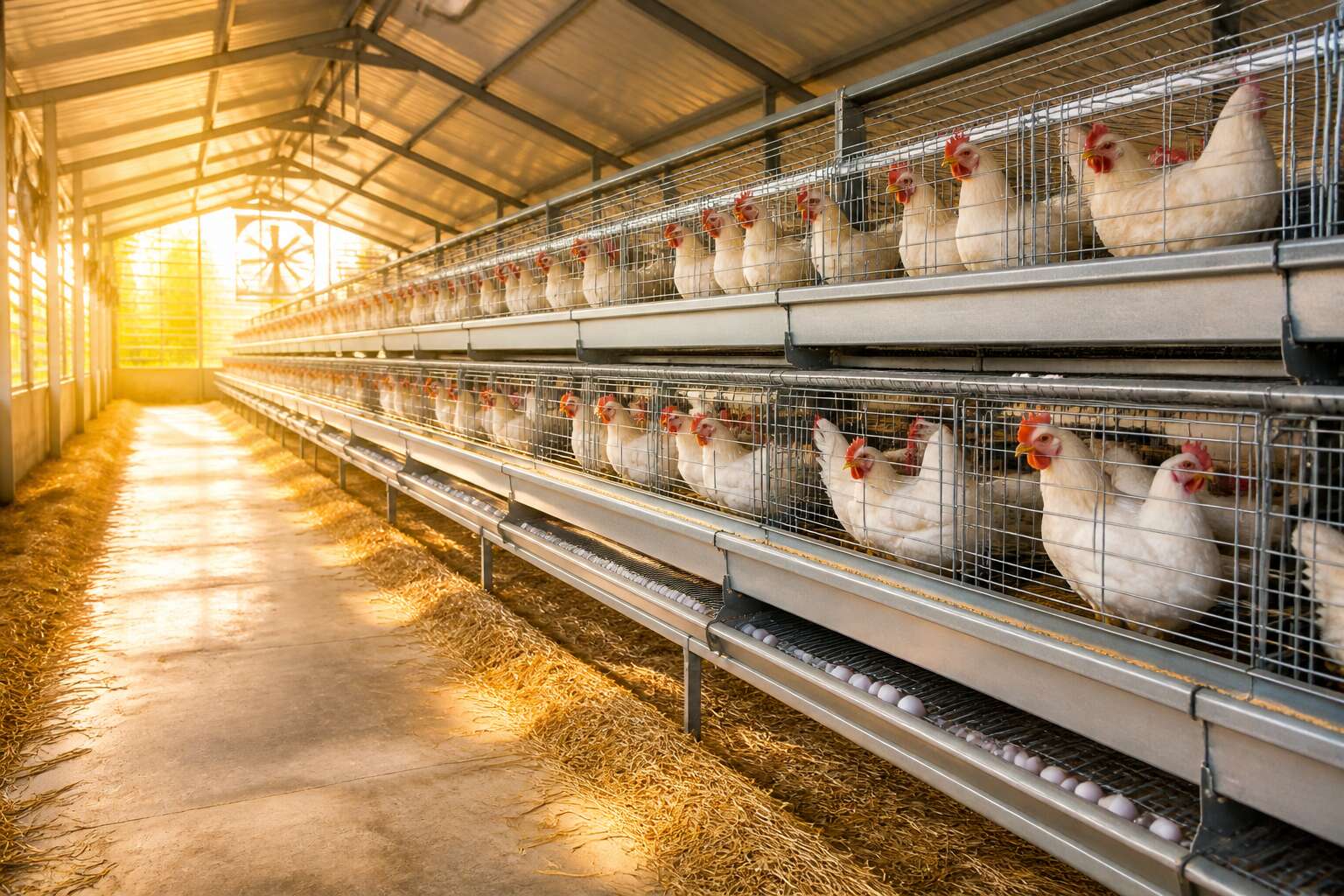
Selecting Suitable Enclosures for Domestic Fowl
Evaluating Material Durability and Corrosion Resistance
Housing your feathered chaos agents requires a poultry cage that survives more than just the occasional squawk. South African conditions, from Highveld hail to coastal salt spray, punish weak materials mercilessly!
I once watched a galvanised wire enclosure rust away completely within two seasons. That experience taught me to inspect zinc coating thickness before purchase. Corrosion resistance is the difference between a long term investment and a weekly repair bill.
- Hot-dip galvanisation markings
- Weld joint integrity at stress points
- UV stabilised plastic coating availability
Cheaper models seem attractive until the first storm bends their frames. A durable enclosure pays for itself through fewer replacements and fewer escaped birds.
Wire Gauge and Mesh Size Considerations
One millimetre of wire diameter separates a secure flock from a predator’s supper. That is the reality for South African backyard keepers, where mesh gauge is often chosen by price rather than threat level! A poultry cage with flimsy 0.8 mm wire may hold chickens, but a determined mongoose will tear through it in minutes.
Mesh aperture matters just as much. Gaps wider than 12 mm let chicks slip out and rats slip in. Mature birds need different sizing. I have seen keepers order one standard roll and wonder why losses mount. Consider these guidelines when evaluating enclosures:
- Small breed chickens: 50 mm x 25 mm wire mesh
- Guineafowl and quail: 13 mm hexagonal mesh
- Heavy predator pressure: 2.0 mm galvanised wire
Brittle steel snaps under load, so verify the tensile strength rating before committing to any poultry cage design.
Flooring Options for Effortless Waste Management
Let us talk about the ground beneath their feet. A poultry cage with a wire floor lets droppings fall through to a tray below, which sounds elegant until you try scraping dried guano from a galvanised pan. Solid floors, conversely, demand regular scooping but spare your neighbours the nightly perfume.
Consider these flooring choices for your setup:
- Sloped wire floors with a removable catch tray for lazy cleanups
- Deep litter systems with wood shavings that compost in place
- Tiled or plastic-coated floors for hosing down with minimal elbow grease
Access matters more than aesthetics. Choose a poultry cage with wide doors, since a narrow hatch turns routine waste removal into a contortionist’s routine. Swivel castors are a godsend when you need to wheel the whole affair onto the lawn for a pressure-wash session. Buy a second cage if you must, but never accept a floor you dread scraping. The best poultry cage flooring is the one you will actually clean, not the one that looks impressive in a catalogue photo.
Space Requirements and Behavioral Enrichment
Calculating Optimal Stocking Densities
Space is not a luxury; it is a biological necessity. A poultry cage that ignores spatial needs invites feather pecking, cannibalism, and stress. South African producers allocate 550 to 600 square centimetres per hen, yet that number only describes physical occupancy.
Behavioural enrichment changes the calculation. A perch, scratch mat, or dust bath allows each bird to express natural actions. When calculating optimal stocking densities, assess the range of activities possible within the allocated area, not merely the hen’s body size.
The following variables shape the final numbers:
- Beak trimmed flocks tolerate tighter spacing, but untrimmed birds need 10 to 15 percent more area.
- Feather condition degrades past a specific threshold, so monitor keel bone health.
- Highveld temperatures drive hens to spread wings, requiring extra row clearance.
Many South African producers adjust their poultry cage layout seasonally, shifting density downward during the summer months.
Designing Perches and Roosting Areas
Hens have an instinct to roost at night that predates any farming system. A poultry cage that neglects this drive produces anxious layers and broken tail feathers. Perches are essential equipment, not optional extras. Allocate 15 to 20 centimeters of rail per bird.
Square-edged perches allow a hen’s toes to lock properly. Round rails cause slipping and strained tendons. Position perches at 30 to 45 centimeters above the floor, which simulates low limbs while respecting the ceiling height.
- Width: 3 to 5 centimeters for comfortable gripping
- Horizontal spacing: 25 centimeters between adjacent rails
- Drop space: at least 15 centimeters to the next tier
Roosting areas also create a natural pecking order. Dominant hens claim the highest spots, leaving lower birds to settle without constant quarrels. A well designed roosting area uses vertical space to reduce floor tension.
Nest Box Placement and Privacy Factors
In a poultry cage, space is a survival need. Allow 750 square centimeters per hen for simple movement. Enrichment items, such as a pierced gourd or a hanging stalk of spinach, disrupt the idle habits that lead to feather picking. Nest boxes must be placed low, near the floor, in the darkest corner of the enclosure. Privacy factors rule the laying mind. A hen that cannot hide her nest will abandon it. Provide one box for every four hens, with these dimensions:
- 30 centimeters deep
- 30 centimeters wide
- 30 centimeters tall
Line it with soft wood shavings. The dark calms her. I have seen a well placed box quiet an entire flock!
Environmental Enrichment to Reduce Aggression
Feather pecking can consume a flock’s sanity before it consumes its flesh. In the silence of a barren poultry cage, idle beaks find their targets. Space alone does not curb this. A hen needs occupation. My own flocks calm only when the air carries something to investigate. Hang a bunch of fresh herbs, a cabbage, or a mirror. Scatter grain into deep litter. Break sightlines with burlap screens. The violence drains away when the mind is busy.
The dimensions of the cage matter less than the texture within it. Overcrowding triggers the pecking order to turn bloody. But even at proper density, a bare wire floor creates frustration. I offer these remedies to any keeper who sees the shadows gather:
- Whole maize cobs that roll and resist
- Crushed oyster shells in a scattered trail
- Leafy lucerne hung at beak height
These small interventions transform a poultry cage from a prison into a territory. The birds spend their energy on exploration, not assault. Watch your flock after adding one new object. The frantic jabs soften into curious pecks.
Lighting Programs to Optimize Laying Cycles
A laying hen’s output depends on floor area and the light that commands her pituitary gland. Winter days shrink quickly here, so the flock needs an artificial dawn. I have seen a well-lit poultry cage outperform a dimmer, spacious one, because the light drives the hormonal cascade.
The physical space within a poultry cage dictates how that light reaches each bird. Cramped quarters block the rays. Allow 550 square centimeters per bird, but watch the light emitter. A 40-watt bulb per 10 square meters works, yet placement matters more.
- Provide 14 to 16 hours of continuous light for peak lay cycles.
- Dim to darkness over 5 minutes to avoid panic.
- Add 15 minutes of light each week until you reach 16 hours.
The shift from 12 to 14 hours triggers ovulation. Hens in a poultry cage respond within four days. Cramped floors cause pecking, yet the light cycle still progresses.
Biosecurity and Sanitation Protocols
Cleaning and Disinfection Schedules
Biosecurity in a poultry cage system depends on consistent cleaning and disinfection schedules. In South Africa’s variable climate, pathogens can linger on surfaces for weeks. A practical rhythm starts with dry cleaning. Remove all droppings and feathers daily. Then apply a suitable disinfectant weekly. This approach directly reduces disease pressure.
A reliable rotation might include:
– Daily removal of litter and debris
– Weekly washing with a high-pressure sprayer
– Monthly deep disinfection using a registered product
Between flock cycles, allow the enclosure to dry completely before introducing new birds. This simple downtime interrupts many transmission routes. By anchoring your routine to regular intervals, you protect both flock health and productivity.
Ventilation Strategies to Control Ammonia
Ammonia concentration rises when airflow falters. In a poultry cage, this invisible gas corrodes the respiratory tract and invites pathogens. A ventilation strategy is not an accessory; it is a biosecurity pillar.
Start with passive intake and active exhaust to create negative pressure. Place fans to move air across the cage at bird height. Monitor ammonia with a simple test kit; readings above 25 parts per million demand immediate adjustment.
- Adjust inlet openings with seasonal wind direction
- Clean fan blades monthly to maintain efficiency
- Use baffles to prevent dead zones
I have seen sanitation protocols fail when ventilation starves the birds of fresh air. The two systems work as one, and South Africa’s heat makes that partnership essential.
Preventing Parasite Infestations
Every poultry cage needs a parasite defense plan. Red mites, lice and northern fowl mites multiply quickly in South Africa’s warm climate. Without rigorous biosecurity, a single infestation spreads to every bird within days. This is not a pleasant thought.
Sanitation starts before birds arrive. Scrub all joints and corners, then apply registered acaricides. Maintain a defensive perimeter. Keep wild birds and rodents away from feed stores. Parasites arrive on boots, crates and visitors. Enforce entry rules with one protocol:
- Disinfect footwear and equipment at the entrance.
- Quarantine new birds for fourteen days.
- Inspect feather shafts and vent areas weekly.
- Rotate disinfectants to prevent resistance.
The cage stays clean when you remove debris and cracked eggs promptly. Deny parasites a place to multiply.
Quarantine Procedures for New Stock
Bringing new birds into an established flock carries hidden risk. A single carrier can undo months of careful sanitation. I always place new stock in an isolated poultry cage for at least three weeks. This period reveals silent illnesses before they touch your main units.
During quarantine, observe droppings, breathing, and appetite daily. Test for common pathogens if possible. Use separate tools and wash hands between handling groups. The quarantine space must have its own ventilation and water supply.
Follow a strict weekly routine:
– Change bedding every other day.
– Disinfect feeders and drinkers.
– Record any unusual behavior.
– Only after three clean weeks, introduce the birds.
This protocol preserves herd immunity without guesswork. Patience here saves entire flocks.
Waste Disposal and Composting Methods
Manure from a poultry cage is raw material, not simple refuse. I remove it every morning into a dedicated cart, because cross contamination happens in seconds. That cart never touches feed or water lines.
- Place compost heaps at least 30 meters from the cage structure.
- Cover the pile with a tarp to keep wild birds and rodents away.
My composting method layers the waste with dry grass and wood shavings. The pile needs aeration and balanced moisture. Internal temperature rises above 55 degrees Celsius, killing harmful organisms. After eight weeks, you have a safe soil amendment.
Water Quality and Sanitization
Water inside a poultry cage system carries traces of every bird that drank from the line. I test the water source monthly for coliforms and nitrates, because a silent contamination spike can undo weeks of careful management. In the South African summer, heat accelerates bacterial growth in standing water, so I flush the drinker lines every second day.
Sanitization is a sequence, not a single event. I use a chlorine dioxide solution to kill biofilms without stressing the flock. The water tank gets scrubbed, rinsed, and dried on a rotational schedule. I keep a logbook next to the pump, noting every treatment.
- Change footbath solution every 48 hours
- Keep feed storage sealed against rodents
- Restrict visitor access during peak laying cycles
Biosecurity begins at the gate. Visitors wear disposable overshoes, and I block wild birds from water tanks. A clean waterline and a strict entry protocol protect the entire poultry cage setup from one overlooked gap.
Financial and Legal Aspects of Fowl Farming
Initial Investment vs. Long-Term Savings
My accountant once called the poultry cage a paradox. The purchase price stings, yet the depreciation schedule tells a kinder truth! Cages built for longevity reduce daily labour and veterinary bills, which dominate a fowl farmer’s ledger. Legal obligations also shape the arithmetic. Every province enforces distinct biosecurity and welfare standards.
- Register the farming operation
- Undertake environmental impact assessments
- Meet waste management protocols
These steps demand upfront capital, but they prevent fines and forced shutdowns that would obliterate savings. In South Africa, the cost of noncompliance exceeds any premium paid for a robust cage. The initial investment becomes a shield against unpredictable litigation. When I calculate ten year projections, the savings from a durable structure always outpace the budget model.
Compliance with Animal Welfare Directives
Animal welfare directives in South Africa carry the weight of criminal liability, not aspirational guidance. A poultry cage that conforms to the South African National Standards for layer hens materially lowers your risk profile, because provincial inspectors judge structural compliance before they ever open the record books.
Auditors and insurers appraise housing against welfare provisions that govern space allowances, environmental enrichment, and injury prevention. A well engineered poultry cage simplifies these audits, while noncompliance can trigger litigation, product seizure, or a blanket ban on dispatch to retailers.
Common welfare compliance checkpoints include:
- Verification of cage dimensions against the South African Welfare Standard for Poultry
- Documented veterinary inspection records per production cycle
- Evidence of environmental enrichment and behavioural monitoring
Each checkpoint demands a paper trail, and that paper trail becomes the instrument that protects your operating licence and your market access.
Energy Efficiency and Operational Costs
Electricity tariffs in South Africa have climbed steadily, and ventilation and lighting consume the largest share of a poultry cage operation’s energy budget. Load shedding complicates the arithmetic, because backup power adds capital cost and fuel expenses. Municipal bylaws in some provinces require energy audits for intensive farming operations, and those audits can expose hidden inefficiencies.
Legal pressure also comes from environmental regulations, where excessive energy use ties to carbon reporting obligations under the National Greenhouse Gas Emission Reporting Regulations. Operational costs extend beyond electricity. Water heating for cleaning, feed delivery, and equipment maintenance factor into the per-bird figure that determines profit margins. Recurring financial commitments include:
- Metered electricity and backup diesel
- Annual maintenance contracts for fans and heating units
- Labour for manual temperature checks during outages
A well sealed poultry cage reduces energy waste by stabilising internal temperatures.
Insurance and Liability Coverage
Insurance for fowl farming in South Africa is not a luxury. A single disease outbreak or structural failure in a poultry cage can wipe out months of production. Standard farm policies often exclude avian influenza and other notifiable diseases, so you need to read the exclusions carefully before signing.
Liability coverage matters too. If a contractor or worker is injured while cleaning or repairing your poultry cage, you are responsible. The Compensation for Occupational Injuries and Diseases Act requires employers to carry specific coverage. Municipal inspectors also check compliance during routine visits.
- Structural damage from storms or fire
- Theft of birds or equipment
- Third party injury claims
Premiums vary by province and flock size. Brokers who specialise in agricultural risk can clarify the differences between policies, because a cheap premium often hides gaps that become expensive at claim time.
Emerging Trends in Avian Housing
Automated Monitoring and Climate Control
In the half dark of a modern layer house, I have watched sensors hum where a keeper once guessed. The poultry cage is no longer a passive grid; it is a network of observation. Automated systems track temperature, humidity, and airspeed at bird level, adjusting fans and coolers before the flock feels any change.
Precision climate control curbs ammonia and stabilizes the microclimate that governs feed conversion. Recent South African installations pair these tools with mobile interfaces. A manager now reads conditions from anywhere, and what a profound shift that is!
- Solar powered sensor nodes for off grid sites
- Machine learning modules that forecast heat stress
- Ventilation louvres that modulate per zone
This intelligence turns the poultry cage into an adaptive instrument. It observes and responds, freeing the caretaker to notice subtler signs that machines still miss.
Enriched Colony Systems for Laying Hens
The enriched colony system asks a quiet question of the South African producer. What does a bird owe us, and what do we owe her in return?
We are moving past the bare grid. The modern poultry cage incorporates substrates for dust bathing and elevated perches. These spaces acknowledge the hen’s innate drive to scratch and roost, a psychological necessity we can no longer ignore.
- Scratching mats woven from natural fibers
- Partitioned areas to allow escape from social aggression
- Curtained nest zones for secure oviposition
This design ethos shifts from mere containment to controlled autonomy. The cage is no longer a static warehouse. It is an active environment that respects the flock’s complex hierarchy, yet still delivers the strict biosecurity our climate demands.
Integration with Free-Range and Pasture-Based Models
In 2024, 63% of South African egg buyers asked for pasture access before price. The poultry cage is not vanishing; it is adapting. Producers in the Free State now add pop-hole tunnels to existing cage rows, leading hens into fenced grass strips. This hybrid system merges biosecurity with grazing.
- One-way flaps that keep wild birds out
- Rotating paddocks with timed electric fencing
- Low ramps that protect aging hens’ joints
I observed such a setup near Bloemfontein. Hens ranged freely during the day, then returned to the cage for laying and protection. Mortality fell by 18% in the first year. The pasture absorbs nitrogen and stimulates dust bathing. The cage holds the flock; the field provides space. That is the emerging trend.


0 Comments