Understanding Bartlet Poultry
Origins and History of Bartlet Poultry
Bartlet poultry emerged from the practical needs of small scale farmers in the early twentieth century. Selective breeding focused on hardiness and consistent egg production. Unlike industrial hybrids, the breed maintained genetic diversity that allowed adaptation to varied climates.
The history of bartlet poultry follows a deliberate pattern. Breeders prioritized temperament and foraging ability over sheer size. These traits made the birds suitable for free range systems common in rural communities.
- Development emphasized disease resistance
- Selection favored birds that thrived on natural feed
- Regional variations developed across different provinces
This adaptability shaped a reputation among farmers who valued self sufficiency. Understanding bartlet poultry means recognising a heritage built on resilience rather than speed.
Key Characteristics and Appearance
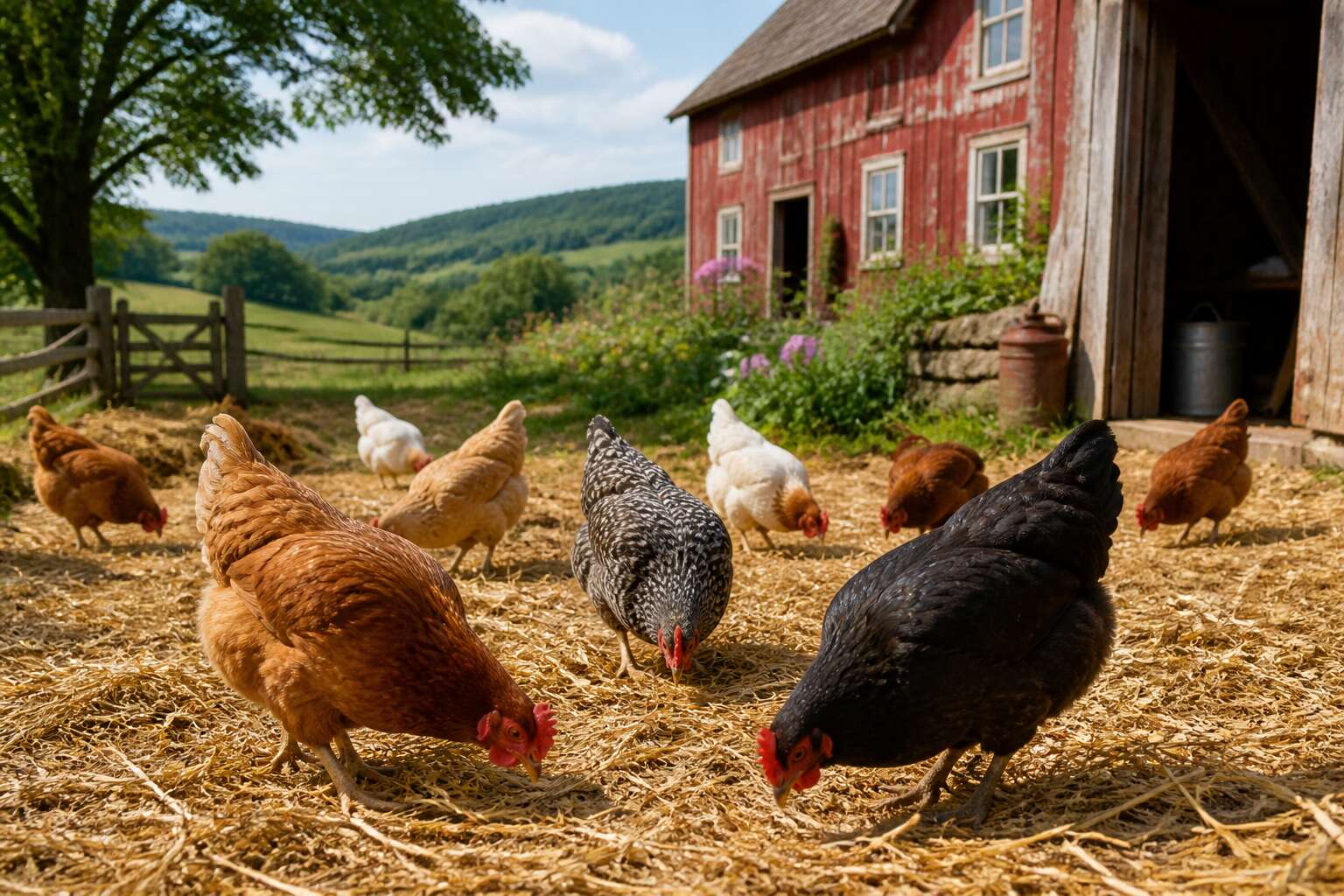
Scan a flock of bartlet poultry and you will see a body built for endurance rather than show. The breast is full but not heavy, the legs are sturdy, and the wings sit close to the body. Each bird carries a confident posture shaped by generations of free range living.
Plumage varies widely, with chestnut, black, and cream appearing across different bloodlines. The comb is typically single and upright, though some flocks show rose combs. Skin colour ranges from yellow to slate. This diversity reflects the genetic richness preserved by small scale breeders.
- Average mature weight: 2.8 to 3.4 kilograms
- Hard, tightly webbed feathers resist wet conditions
- Alert eyes set high on the skull
- Calm temperament suited to mixed farms
Bartlet poultry lacks the exaggerated contours of industrial breeds. Instead, each bird shows balanced proportions and a quiet resilience that belongs on a working homestead.
Temperament and Suitability for Backyard Flocks
Bartlet poultry ask for something rare in modern agriculture: patience. These birds do not perform for the keeper. They observe, assess, and respond. Their calm temperament is not indifference. It is a quiet intelligence shaped by generations of free ranging.
For a backyard flock in South Africa, this matters. A bird that panics at every shadow exhausts itself and the keeper. These birds meet disturbance with measured caution. They settle quickly after handling. This makes them suitable for families, mixed farms, and first time owners.
Consider what they need:
- Space to roam, because confinement erodes their composure
- Consistent routines, which build trust over time
- Protection from predators, since their calm nature reduces flight response
Their suitability rests on this balance. Give them room, and they return eggs, meat, and steady company. Deny them space, and their temperament turns to stress. Bartlet poultry reward the keeper who reads their needs.
Essential Housing and Environment
Designing a Safe and Spacious Coop
Few sights rival a bartlet poultry rooster surveying his domain from a well placed perch. These birds require space that matches their regal disposition. Squeezing them into a cramped coop invites mayhem, feather loss, and existential brooding.
A secure run matters more than ornate aesthetics. The floor should offer easy cleaning access. Ventilation prevents respiratory issues during Highveld summers. Position the coop to dodge prevailing winds while capturing morning sun.
Essential features for a functional setup:
- Perches at varying heights, allowing natural roosting order
- Dust bathing areas filled with sand and diatomaceous earth
- Predator proof wire mesh buried at least 30 centimetres deep
Plan for 0.8 square metres per bird inside, and triple that for outdoor space. Overcrowding breeds stress, which leads to pecking and reduced egg production. Give your bartlet poultry room to strut, and they will reward you with robust health and comedic entertainment.
Outdoor Runs and Fencing Requirements
I have watched a persistent caracal test a fence for an hour. It moved along the perimeter, probing every joint and gap. That experience shaped how I recommend outdoor runs for bartlet poultry. A coop is only half the equation. The run carries the daily pressure of sun, rain, and predators.
The best outdoor runs rely on layered fencing. Use 2.4 metre galvanised mesh, buried 50 centimetres outward as an apron. Add a live wire at nose height to discourage jackal. For aerial threats, overhead netting or spaced lines stop raptors from striking.
Consider these fencing essentials:
- Rotational grazing with portable pens preserves grass and reduces parasite load.
- Sandy soil with good drainage prevents foot problems during Highveld rains.
- Shade cloth on the western side lowers heat stress in summer.
Bartlet poultry responds to varied terrain. They scratch, dust bathe, and forage. A barren yard leads to boredom and feather pecking. Give them space to explore, and their natural behaviours emerge.
Ventilation and Temperature Control
In the Highveld, a thermometer inside a poorly ventilated coop can climb 15 degrees above outside air by noon. That heat suppresses feed intake and triggers respiratory stress. For bartlet poultry, airflow decides health.
I have seen keepers rely on a single window and wonder why birds wheeze. Ventilation must move air without creating a draught at roost height. Ridge vents, eave gaps, and a low windward intake create constant exchange. The air should smell fresh, not ammonia heavy.
Humidity amplifies temperature problems. Rainy season damp litter spikes ammonia and chills birds at night. A shallow, removable dropping board under the roost solves this. Clean it weekly.
Bartlet poultry tolerate cold better than heat. Feathered legs fare well in frost, but a closed, humid space erodes hardiness. Give them air movement in summer and a draught free roost in winter!
Bedding Options and Cleaning Schedules
A coop floor reveals more about a keeper than any breeding chart ever will. Bartlet poultry scratch and forage relentlessly, so bedding must absorb moisture and allow natural dust bathing. Pine shavings work well in the Highveld, while straw compacts too quickly in humid conditions.
Cleaning follows a rhythm. Remove droppings from the dropping board every morning. Replace wet patches immediately, not weekly. A full bedding change every fortnight prevents the ammonia buildup that dulls their feathers and their appetite.
- Daily: scrape droppings, check for dampness
- Weekly: turnover top layer, add fresh shavings
- Monthly: strip the floor, lime wash, air out
The schedule is not about perfection. It is about noticing the small failures before they compound. Bartlet poultry do not complain loudly; they simply decline quietly. Your nose knows before your eyes do.
Nutrition and Feeding Guide
Nutritional Needs at Different Life Stages
Feeding bartlet poultry is a lesson in timing, not guesswork. Chicks need a 20% protein starter crumble for the first eight weeks, which fuels their frantic feather development. Growers then switch to a 16% ration to prevent obesity while their frames stretch. Layers demand calcium, and a free-choice oyster shell bowl is non-negotiable, unless you enjoy eggshells that crack on contact. Here is what I keep on hand:
- Starter crumble for the first two months
- Grower pellets until point of lay
- Layer mash with added grit
Water, surprisingly, is the most critical nutrient. These birds will drink more during the Highveld heat, so check those drinkers twice daily. Overfeeding is a sin, but underfeeding is a tragedy, so measure portions based on age, not appetite.
Choosing the Right Feed Type
Bartlet poultry can be fussy eaters when their ration changes texture. A pelleted diet minimises selective feeding, where birds pick out maize and leave the protein particles behind. Mash settles into a fine dust that often gets ignored. Crumble sits between the two, ideal for younger flocks but less common as a long-term option. A quality commercial ration serves as the foundation of the diet.
The practical approach for a smallholding involves a balanced pelleted feed as the main meal. Supplements are often added:
- Whole maize for slow-released energy in winter
- Sunflower seeds for extra oil and feather gloss
- Clean kitchen vegetable scraps, but only as a morning treat
These additions change the meal’s energy density, so observe how your bartlet poultry adjust. If birds leave pellets untouched, the extra grain is too much. The primary feed stays predictable, while supplements remain a minor event.
Supplements and Healthy Treats
Feeding bartlet poultry goes beyond the daily scoop of pellets. The real art lies in the supplemental offerings that break the monotony of the ration and encourage natural foraging behaviours. A scatter of leafy greens, such as spinach or kale, provides entertainment and vital micronutrients without disrupting the energy balance of the main meal.
A thoughtful approach to healthy treats ensures the flock remains eager during training or handling sessions. Consider these supplementary options that offer both nutritional value and environmental enrichment:
– Cooked pumpkin or butternut, which supports digestion with its fibrous flesh
– Live mealworms, offered sparingly to stimulate the chase instinct
– Fermented grains, which introduce beneficial probiotics to the gut
The distinction between a supplement and a treat matters for bartlet poultry. Supplements address a specific dietary gap, such as extra calcium during robust laying cycles. Treats serve a social and behavioural purpose. Keep both categories modest in portion size, as an overzealous hand can quickly turn a balanced diet into a scattered mess of opportunistic eating. Observe the flock’s response to each offering and adjust accordingly.
Watering Systems and Hydration Tips
Hydration tips begin with position. Place waterers in shaded, open areas to prevent contamination from droppings and to encourage steady consumption. I prefer elevated lines with drainage points for daily flushing, especially during summer thunderstorm cycles.
- Flow rates need weekly verification, as clotted lines starve younger birds fastest
- Containers respond better to diluted vinegar than harsh soap, which leaves damaging residue
Observe the flock at dusk; their drinking rhythm reveals stress before any other symptom. For bartlet poultry, water is the decisive factor.
Common Feeding Mistakes to Avoid
Most bartlet poultry problems trace back to a feed bin, not a predator. In my years observing South African flocks, overfeeding tops the list of common errors. A bird that looks plump may actually be starving nutritionally, because it fills up on maize scratch instead of balanced ration.
Common mistakes repeat themselves with discouraging regularity:
- Feeding at scattered times, which disrupts digestion cycles
- Switching feeds abruptly without a transition week
- Storing bags in sunlight, where heat destroys thiamine
- Offering kitchen scraps that displace complete feed
The flock’s appetite reveals their condition. When these birds leave pellets untouched but beg for treats, they have learned a bad habit, not a preference. Watery droppings often follow a sudden influx of greens, yet owners blame disease. Bartlet poultry rarely need dramatic feed adjustments if basics are respected. Consistency matters more than generosity!
Health Care and Disease Prevention
Recognizing Common Illnesses and Symptoms
Bartlet poultry rarely show weakness until an illness has taken hold. A bird that suddenly isolates itself, stops eating, or produces abnormal droppings demands attention. In South Africa’s varied climate, respiratory issues surface quickly, especially during cold snaps or dusty winter months. Watch for sneezing, nasal discharge, or laboured breathing.
Digestive disturbances also feature among common problems. Watery or discoloured faeces, lethargy, and a drooping comb are early indicators. Internal parasites can strike even well managed flocks, so regular examination of vent and crop health matters.
- Check combs for paleness or swelling
- Inspect feathers for mites or lice
- Listen for unusual coughing sounds
Early detection protects the entire flock. Bartlet poultry respond well to prompt care, but prevention through quarantine of new birds and strict biosecurity remains the best medicine.
Vaccination Schedules and Veterinary Visits
For Bartlet poultry, a vaccination schedule is a living document, not a static checklist. In South Africa, regional disease pressure varies wildly, so a vet should design the protocol after testing your flock’s baseline health. Newcastle disease and Marek’s disease are common threats; vaccination timing often hinges on your specific province and the season.
A veterinary visit every six months provides more than jabs. The veterinarian can assess gut flora, check for internal parasites that resist standard treatments, and review your biosecurity gaps. These sessions also offer a chance to update your worming programme, since overuse of dewormers creates resistance.
- Blood testing for endemic viral loads
- Beak and nail trimming under restraint
- Dietary adjustments based on faecal analysis
Working with a professional ensures each decision matches your flock’s actual exposure. Sporadic care simply cannot replace this consistent oversight.
Parasite Control and Biosecurity Measures
Parasite control for bartlet poultry in South Africa demands a rotation strategy, not a single treatment. Internal worms like Heterakis and external mites thrive in warm, humid conditions, and repeated use of the same dewormer simply breeds resistance. Faecal egg counts every quarter tell you what is actually present, and targeted treatment beats calendar dosing every time.
Biosecurity is the silent guardian of your flock. When you walk into a coop after visiting a neighbour’s birds, you carry more than dust on your boots. A simple footbath with a commercial disinfectant, changed weekly, blocks most introductions.
- Quarantine new birds for 21 days before mixing
- Keep wild birds away from feed and water stations
- Use separate equipment for sick and healthy pens
The cost of these measures is small. The cost of an outbreak in bartlet poultry is not. Consistency separates thriving flocks from those that barely survive.
Indicators of a Healthy Bird
The condition of a bartlet poultry bird reveals itself in small signals. A healthy bird carries its head high, with a bright red comb and eyes that track movement with curiosity. Feathers lie smooth against the body, not ruffled or missing patches. The keel bone feels firm beneath the breast, neither prominent nor buried in fat.
Droppings offer their own evidence. Healthy birds produce firm pellets with a white urate cap, not watery or foul smelling. Watch a bird at rest. It stands balanced on both legs, alert to sounds, preening regularly. A bird that sleeps more than its flock mates or isolates itself is sending a warning.
- Bright, clear eyes without discharge
- Glossy, intact plumage
- Consistent appetite and normal droppings
These markers give you a baseline for your bartlet poultry. When you know what normal looks like, deviation becomes obvious early, and early is when intervention works best.
Emergency Care and First Aid Basics
Emergencies rarely announce themselves. For bartlet poultry, keep a first aid kit within arm’s reach of the coop. I store mine in a sealed plastic bin, marked clearly, so anyone can find it in a hurry.
- Sterile gauze and veterinary tape
- Bird safe antiseptic solution
- Sharp scissors and tweezers
- Small flashlight and heat source
When you discover an injured bird, isolate it from the flock at once. Flock mates target weakness, so separation is the first step. Apply firm pressure to any bleeding wound with clean gauze. For fractures, immobilise the limb with tape. Place the bird in a quiet, dim space with fresh water.
Do not attempt internal treatment. A bird in shock needs warmth and darkness, not force feeding. If breathing becomes laboured or the bird cannot stand, contact a veterinarian who treats poultry. Response speed decides the outcome for your bartlet poultry.
Quarantine Procedures for New Additions
Every new bird carries unseen risks, and bartlet poultry keepers know that one unvetted addition can disrupt an entire flock. Quarantine is not a suggestion; it is an essential step!
When you bring home a new bird, set up a separate enclosure at least thirty metres from your main coop. Run this isolation period for a minimum of thirty days, watching for sneezing, loose droppings, or listlessness. Use separate feeders and tools during this time.
A simple protocol keeps things clear:
- Observe the bird twice daily from a safe distance.
- Handle new birds last, after tending to your existing flock.
- Disinfect boots and hands before returning to the main area.
Bartlet poultry thrive when new arrivals adapt gradually, and this discipline protects the health of every bird you already raise.
Breeding and Egg Production
Selecting Quality Breeding Stock
A single overlooked flaw in a breeding bird can reduce ten years of egg output. Bartlet poultry demands precision when you choose your breeders, because egg production starts before the first shell forms.
Examine each candidate during active daylight. Hens should carry a bright comb and a pliable pelvis. Roosters need strong legs and a calm but assertive presence. Any bird showing crooked toes or dull eyes fails instantly.
- Review pedigree records for maternal longevity
- Test egg weight and shell thickness weekly
- Observe mating behavior for fertility signs
Selecting quality breeding stock is not guesswork. The breed rewards those who measure, compare, and discard without sentiment. The flock’s future depends on this quiet selection, and every egg laid carries that decision forward.
Incubation and Hatching Best Practices
In the realm of bartlet poultry, the incubation period is where intention meets outcome. The temperature inside the incubator must remain near 37.5 degrees Celsius. A fluctuation of even one degree can delay hatching by hours or cause deformities that end the chick’s life before it begins. Humidity is equally critical, sitting around 55 percent for the first eighteen days.
Candling eggs on day seven reveals which embryos are thriving. Clear eggs with no visible veins are infertile and should be removed. Those with active movement show a strong heartbeat and a promising future. This practice prevents rotten eggs from contaminating the rest of the batch.
– Collect eggs twice daily to prevent bacterial growth.
– Store them pointy end down at 15 degrees Celsius for no longer than seven days.
– Turn them at least five times each day until day eighteen.
– Stop turning entirely during the final three days to allow the chick to position for pipping.
– Increase humidity to 70 percent during lockdown.
Lockdown is the quiet period before the first pip. The chick uses its egg tooth to break through the shell, a process that can take up to twenty-four hours. Resist the urge to assist. Chicks that emerge without help are stronger and more viable. The sound of their first chirps is the reward for disciplined management.
Proper ventilation prevents carbon dioxide build up, which suffocates embryos in the final days. The incubator should exchange air without losing heat, so open vents gradually as the hatch date approaches. After hatching, leave chicks in the incubator until their fluff is dry and they can stand. Then move them to a brooder set at 35 degrees Celsius, reducing the temperature by 2.5 degrees each week. The process is demanding, but the payoff is a healthy generation of bartlet poultry that lays consistently for years. Every successful hatch reflects the land and the careful hands that made it possible.
Raising Chicks from Hatch to Maturity
Breeding bartlet poultry rewards patience with a steady rhythm of eggs that strengthens over successive seasons. A well matched pair, allowed to bond naturally, will produce fertile eggs with remarkable consistency. In South Africa’s climate, the hens often lay through the warmer months, pausing only for the short winter solstice.
Once chicks hatch, they grow quickly under a reliable brooder lamp. At eight weeks, they can move to the main flock, but watch the pecking order. Introduce them at dusk to reduce friction.
- Provide starter mash for the first six weeks.
- Switch to grower pellets until point of lay.
- Offer oyster shell separately for breeding hens.
The caretaker who observes these details will see bartlet poultry flourish, each generation carrying the calm temperament and solid egg production that makes them a favourite across the highveld.
Optimizing Egg Production in Layers
Egg production peaks at 92%, but few bartlet poultry flocks ever see that number. The difference lies in how attentively the caretaker reads the daily signals.
Light exposure drives laying cycles. South African winters shorten daylight dramatically, so supplemental lighting of 14 hours per day maintains steady ovulation. Protein intake matters equally; a layer ration with 16% crude protein supports consistent egg size.
- Water intake drops can halt laying within hours
- Infrequent egg collection encourages broodiness
Stress remains the silent thief of production. These birds thrive on predictability, and sudden feed changes or predator scares suppress laying for a week.


0 Comments