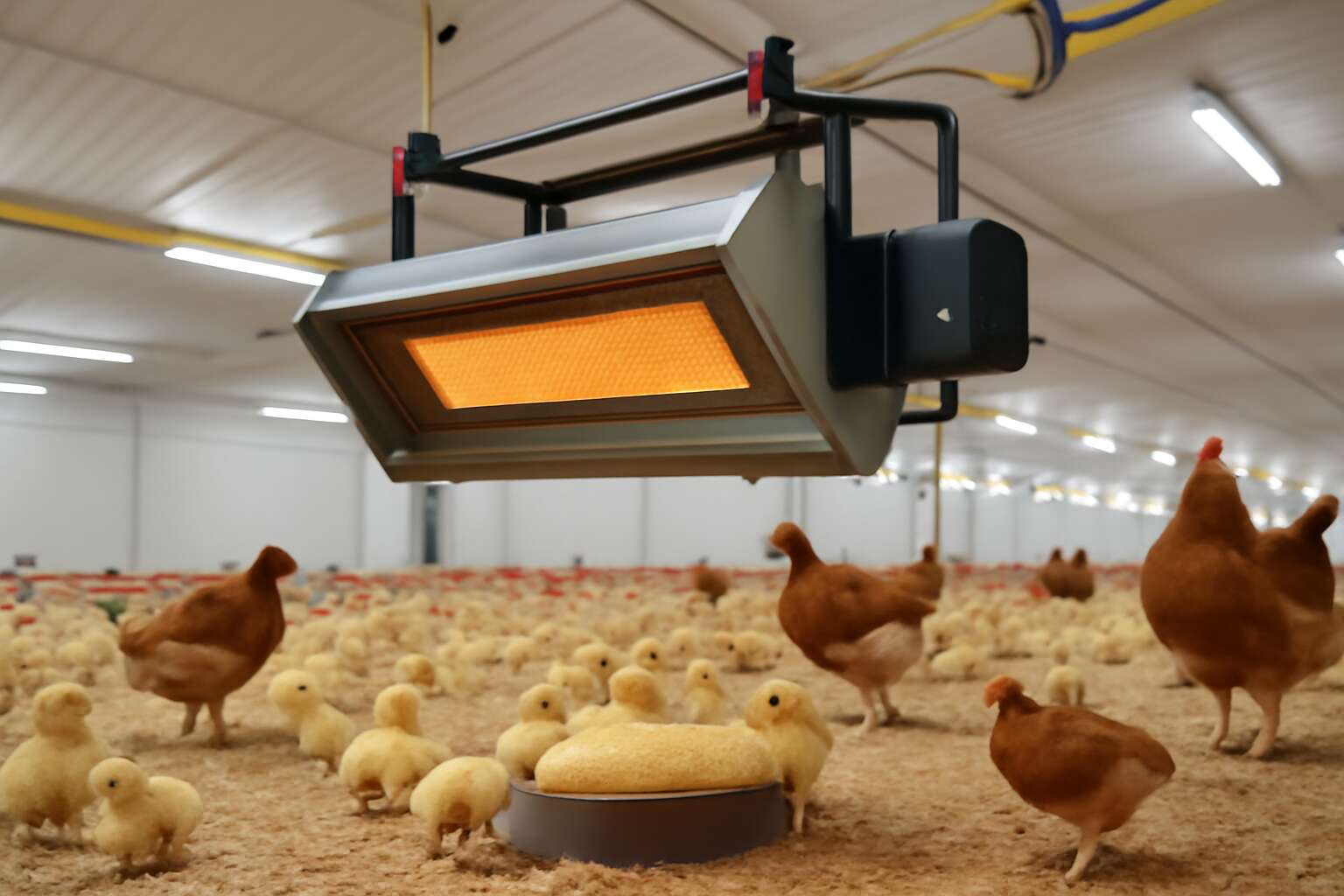
Understanding Poultry Gas Heaters
Overview of Poultry Gas Heaters – Introduction to their purpose and benefits in poultry farming
In the world of poultry farming, maintaining optimal temperature is crucial for healthy bird development and increased productivity. Poultry gas heaters have become an indispensable tool in achieving this goal, especially in regions where electricity supply can be unreliable or costly. These heaters use natural gas or bottled gas to generate consistent warmth, ensuring the poultry environment remains stable regardless of external weather conditions.
One of the key benefits of a poultry gas heater is its efficiency. Unlike traditional electric heating systems, a poultry gas heater offers rapid heat distribution, reducing cold stress among birds. This not only improves growth rates but also minimizes disease risk, which is vital for farmers aiming for high-quality yields. For South African poultry farmers, investing in a reliable poultry gas heater can translate into better flock health and higher profits.
Here are some factors that make poultry gas heaters a preferred choice:
- Cost-effectiveness in energy consumption
- Ease of installation and maintenance
- Ability to adapt to different farm sizes and layouts
Types of Gas Heaters Used in Poultry Farming – Different types such as infrared, fan heater, and radiant heaters
When it comes to selecting the right poultry gas heater, understanding the different types available can make all the difference. Each type is designed to cater to specific needs and farm setups, ensuring optimal warmth without wasting energy. Infrared poultry gas heaters are famous for their ability to deliver direct heat efficiently—perfect for smaller, controlled environments. They emit a concentrated beam of heat that warms objects and animals directly, reducing heat loss and ensuring rapid temperature adjustments.
Radiant heaters, on the other hand, work by emitting infrared radiation that heats surfaces and the air around them. This type is ideal for larger poultry houses where uniform heat distribution is essential. Then there are fan heaters, which use a built-in fan to circulate warm air throughout the space. These are especially useful in colder months or in regions where temperature fluctuations are typical, like South Africa’s diverse climate zones.
Understanding the distinctions among these poultry gas heater types ensures farmers can choose the most effective solution, balancing energy efficiency with the specific needs of their flock. Whether it’s infrared, radiant, or fan-based, each offers unique advantages that can significantly impact poultry health and farm productivity.
How Poultry Gas Heaters Work – Explanation of gas combustion, heat distribution, and safety features
Understanding how a poultry gas heater functions is akin to deciphering a quiet symphony of combustion and warmth. At its core, it relies on the process of gas combustion—where fuel ignites to produce heat, transforming chemical energy into thermal energy with a flicker of controlled fire. This fiery dance is carefully orchestrated within the unit, ensuring safety and efficiency at every turn.
Once ignited, the heat generated is distributed through a variety of mechanisms, tailored to the specific type of poultry gas heater. Infrared models emit concentrated beams of infrared radiation, directly warming the objects and animals below, whereas radiant heaters spread warmth more evenly across surfaces. Fan heaters, with their built-in circulation fans, propel warm air into every corner of the poultry house, ensuring no nook remains cold, even in the harshest winter months.
Most poultry gas heaters are equipped with vital safety features—automatic shut-offs, oxygen sensors, and flame failure devices—that act as vigilant guardians, preventing accidents and ensuring peace of mind for farmers. Whether you’re battling South Africa’s diverse climate or seeking energy-efficient warmth, understanding these intricate workings helps in choosing the perfect poultry gas heater for your farm’s unique needs.
Benefits of Using Gas Heaters in Poultry Farming
Efficient and Cost-Effective Heating Solutions – Comparison with electric and other heating options
In the dynamic world of poultry farming, maintaining optimal temperatures is vital for healthy bird growth and productivity. Poultry gas heaters have emerged as a game-changer, offering a reliable and efficient method to keep coops warm even during the harshest winters. Unlike traditional electric heaters, poultry gas heaters deliver consistent warmth without the soaring energy bills, making them a preferred choice for many South African farmers. Their ability to quickly heat large spaces ensures that poultry remains comfortable, reducing stress and boosting overall health.
When comparing poultry gas heaters to electric and other heating options, several advantages become apparent. Gas heaters are often more cost-effective in the long run, especially in regions where electricity costs are high. They also tend to operate more efficiently, providing rapid heat distribution that covers every corner of the poultry house. This means fewer cold spots and happier, healthier birds. For farmers seeking a robust, efficient, and economical heating solution, poultry gas heaters stand out as an optimal choice—combining the magic of warmth with the practicality of cost savings.
Improved Animal Welfare and Productivity – Impact on growth rates, egg production, and overall health
In the realm of poultry farming, where every feathered life counts, the warmth that sustains growth and vitality is nothing short of life-giving. A poultry gas heater becomes a guardian of health, ensuring that every chick and hen thrives under the gentle embrace of consistent heat. When the chill of winter bites into the South African landscape, the role of a reliable poultry gas heater transforms from mere comfort to an essential pillar of productivity.
Enhanced animal welfare is the silent victory of employing a poultry gas heater. Birds grow faster, lay more eggs, and exhibit fewer signs of stress—vital indicators of a healthy, productive flock. This steady, uniform warmth minimizes cold stress, which can weaken immune responses and stunt growth. The impact on productivity is profound: healthier birds reach maturity sooner, producing more eggs with better shell quality, and overall, their resilience becomes a testament to the power of optimal climate control.
Moreover, the use of a poultry gas heater aligns seamlessly with the farmer’s desire for efficiency. It offers an even distribution of heat, eliminating cold spots that often plague other heating methods. This uniform warmth fosters an environment where birds can flourish, unburdened by temperature fluctuations. It’s a symphony of warmth and health, where each element contributes to the overarching goal of a thriving poultry operation.
For South African farmers seeking a solution that marries innovation with practicality, a poultry gas heater’s benefits extend beyond mere comfort—it’s an investment in the future of the flock, ensuring that every bird’s potential is realized under the most nurturing conditions.
Energy Savings and Environmental Impact – Reduced energy consumption and eco-friendly aspects
In the vibrant landscape of South African poultry farming, where every decision shapes the future of a flock, embracing innovative heating solutions can be transformative. Poultry gas heater technology offers a compelling advantage—an eco-friendly, energy-efficient alternative that aligns with sustainable farming practices. Unlike traditional electric heaters, a poultry gas heater consumes significantly less energy, translating into lower operational costs and a smaller carbon footprint. This reduction in energy consumption not only benefits the environment but also bolsters the farm’s profitability, making it an invaluable asset in resource-conscious agriculture.
The environmental impact of utilizing a poultry gas heater is profound. With cleaner combustion processes and fewer emissions, these heaters contribute to healthier air quality within the poultry house and the surrounding environment. Farmers who adopt this technology often find that their heating needs are met with a minimal ecological footprint, aligning with global sustainability goals. Moreover, the efficient heat distribution of a poultry gas heater ensures uniform warmth, reducing waste and preventing energy loss—key factors that make this solution both practical and environmentally responsible.
Furthermore, the strategic use of a poultry gas heater embodies a harmony of efficiency and innovation. Its ability to deliver targeted heat while consuming less fuel exemplifies the future of sustainable poultry farming. This not only safeguards the environment but also ensures that every watt of energy is maximized, creating an optimal climate for vibrant, healthy birds—an essential element for thriving South African farms.
Key Features to Consider When Choosing a Poultry Gas Heater
Safety Features – Overheat protection, automatic shutdown, ventilation systems
When it comes to choosing a poultry gas heater, safety isn’t just a fancy feature—it’s the backbone of a thriving poultry operation. A reliable poultry gas heater should come equipped with robust safety features that protect both your flock and your investment. Overheat protection, for example, is critical; it automatically shuts down the unit if temperatures soar beyond safe limits, preventing potential fires or damage. Think of it as the poultry gas heater’s personal bodyguard, watching out tirelessly.
Equally important is an automatic shutdown mechanism, which activates if the unit detects a malfunction or ventilation issues. Proper ventilation systems are essential to ensure harmful gases like carbon monoxide don’t accumulate, keeping the air safe for your birds and farmhands alike. Some poultry gas heaters even include integrated alarms or sensors that alert you to any abnormalities, so you can act swiftly before a small problem turns into a farm emergency.
- Overheat protection
- Automatic shutdown
- Ventilation systems
All these safety features work together to make your poultry gas heater not just a heating device, but a trustworthy partner in farm management. After all, a safe poultry house is a happy poultry house—and happy poultry means a more prosperous farm!
Heating Capacity and Coverage Area – Matching heater size with poultry house dimensions
When selecting a poultry gas heater, matching its heating capacity to the size of your poultry house is paramount. An undersized heater will leave your flock shivering in the cold, while an oversized one risks overheating and wasting energy. The goal is to find that perfect balance where warmth is consistent and energy efficiency is maximized.
A well-chosen poultry gas heater should cover the entire area evenly, ensuring every corner of your poultry house benefits from uniform heat distribution. To achieve this, consider the following:
- Measure the dimensions of your poultry house accurately.
- Calculate the required BTU or kW output based on the volume of space.
- Opt for a poultry gas heater with adjustable settings to fine-tune the heat output as needed.
Remember, a properly matched heater not only keeps your birds comfortable but also reduces operational costs and extends the lifespan of your equipment. In South Africa’s diverse climate, choosing the right heating capacity can make all the difference between a thriving farm and a struggling one.
Ease of Installation and Maintenance – User-friendly design and routine care requirements
In the shadowed corridors of poultry farming, where the chill can seize the breath of even the hardiest birds, the right poultry gas heater becomes a silent guardian. Ease of installation and maintenance is the cornerstone of a truly reliable heating solution. A user-friendly design ensures that setting up your poultry gas heater is a straightforward affair, even amidst the chaos of a busy farm. Routine care, far from being a burdensome chore, transforms into a ritual—keeping the device operating at peak performance and warding off the specter of breakdowns.
Efficiency is amplified when a poultry gas heater offers accessible maintenance features—think simple filter replacements, easy access panels, and clear safety indicators. This not only prolongs the lifespan of your equipment but also ensures that your flock remains bathed in consistent warmth. Remember, a well-maintained heater is a steadfast sentinel in your poultry house, guarding against the cold and energy wastage alike.
- Prioritize models with straightforward installation processes to minimize downtime.
- Choose units with minimal routine upkeep requirements—automatic ignition, self-diagnostic features, and durable materials are key.
- Regular inspections and cleanings preserve optimal heat distribution, ensuring every corner of your poultry house remains cozy and safe.
In the end, the ease with which you can install and maintain your poultry gas heater directly influences the harmony of your farm’s environment, the health of your flock, and the longevity of your investment. When the cold winds of South Africa blow fiercely, a reliable, low-maintenance poultry gas heater stands as a beacon of warmth and efficiency in the murky depths of poultry farming’s shadows.
Fuel Efficiency and Cost – Gas consumption rate and operational costs
In the bustling world of South African poultry farming, every rand counts—and so does every joule of energy. When selecting a poultry gas heater, fuel efficiency isn’t just a bonus; it’s the backbone of a profitable operation. The ideal model should sip gas rather than gulp it, ensuring operational costs stay as low as possible while delivering the warmth your flock needs to thrive. A high-quality poultry gas heater with a low gas consumption rate means fewer trips to the supplier and more money in your pocket—an absolute win in the game of farm economics.
While efficiency is king, it’s also essential to consider the overall operational costs. A well-designed poultry gas heater not only minimizes fuel use but also reduces maintenance expenses, thanks to features like automatic ignitions and self-diagnostic systems. These intelligent touches help you avoid costly breakdowns and keep your poultry house cozy without breaking the bank. Remember, a model that balances heat output with fuel consumption offers the best bang for your buck, ensuring your investment stays warm long after the initial purchase.
When evaluating different options, look for units that specify their gas consumption rate alongside coverage area. For example, a poultry gas heater with a higher efficiency rating will cover a larger space with less fuel—saving you money and reducing your environmental footprint at the same time. To make it easier, some models feature
- adjustable heat settings
- energy-saving modes
which allow you to fine-tune operation based on your flock’s needs and prevailing weather conditions. With the right choice, your poultry farm will remain resilient against South Africa’s chilly winds, all while keeping operational costs comfortably low.
Durability and Material Quality – Rust-resistant components and robust construction
When selecting a poultry gas heater, durability and material quality are paramount to ensuring long-lasting performance in South Africa’s challenging climate. A high-quality poultry gas heater should feature rust-resistant components that withstand the relentless moisture and humidity often found in poultry houses. Robust construction not only prolongs the lifespan of the unit but also guarantees safety and consistent heat output, vital for maintaining optimal conditions for your flock.
Choosing a model with superior materials means investing in resilience. Look for poultry gas heaters crafted from corrosion-proof metals and coated with weather-resistant finishes. These details may seem minor, but they drastically reduce maintenance costs and prevent unexpected breakdowns that can disrupt your operations. After all, a sturdy poultry gas heater isn’t just an appliance; it’s a steadfast partner in your farm’s success.
- Durable, rust-resistant components ensure longevity and reduce replacement frequency.
- Robust construction withstands the wear and tear of daily farm life, especially in variable weather conditions.
- High-quality materials contribute to safety, preventing leaks or structural failures that could endanger your poultry or staff.
In the end, the choice of a poultry gas heater with durable, high-grade materials isn’t just about durability; it’s about securing peace of mind knowing your investment is built to endure the rugged realities of South African poultry farming. When your heater stands resilient, so does your farm’s productivity and your commitment to animal welfare!
Installation and Operational Guidelines
Proper Placement for Optimal Heating – Positioning strategies to maximize heat distribution
Achieving optimal warmth in a poultry house hinges on strategic placement of the poultry gas heater. Proper positioning ensures that heat is evenly distributed, fostering a comfortable environment for the birds and boosting overall productivity. When installing a poultry gas heater, it’s essential to consider airflow patterns and the layout of your space. Placing the heater centrally, away from drafts and obstructions, allows for maximum heat coverage, reducing cold spots that can hinder growth.
To enhance heat distribution, consider using a combination of wall-mounted and ceiling installations. Ceiling-mounted poultry gas heaters, in particular, can create a warm, uniform layer of heat that rises naturally, minimizing energy waste. For larger poultry houses, an effective strategy involves creating a series of heat zones, each served by a dedicated poultry gas heater. This approach ensures consistent warmth across the entire space, leading to healthier, more active birds.
Remember, the key is to balance safety and efficiency. Proper placement not only improves the heater’s performance but also reduces the risk of accidents. A well-positioned poultry gas heater can transform a cold, uncomfortable environment into a sanctuary of warmth, nurturing growth and vitality from chick to mature bird.
Ventilation and Safety Precautions – Ensuring proper airflow, preventing gas leaks, and compliance with safety standards
In the delicate dance of maintaining warmth within a poultry house, safety and airflow are the silent maestros guiding the performance of your poultry gas heater. Neglecting ventilation can turn a sanctuary of warmth into a chamber of peril, risking dangerous gas buildup and compromised health for your flock. Proper airflow ensures that combustion gases are swiftly expelled, maintaining a safe environment and optimizing the heater’s efficiency. This becomes especially critical when deploying a poultry gas heater, where safety standards are non-negotiable.
To uphold these standards, it is vital to integrate ventilation systems that work harmoniously with your heating setup. Regular inspection of exhaust fans, flues, and air inlets not only prevents gas leaks but also sustains an equilibrium that nurtures your birds. Remember, a well-ventilated space doesn’t merely prevent hazards—it actively enhances heat distribution, ensuring no corner remains cold and unwelcoming.
Furthermore, safety precautions should be woven into every aspect of installation. Use certified, rust-resistant materials for combustion chambers and pipes, and employ automatic shut-off mechanisms that respond to irregularities. Ensuring compliance with local safety standards transforms a simple poultry gas heater into a guardian of both warmth and well-being. When safety and efficiency are balanced with care, the result is a symphony of productivity that elevates your poultry operation to new heights of excellence.
Routine Maintenance and Troubleshooting – Regular checks, cleaning, and common issues
In the shadowed corridors of poultry farming, where every breath of air and flicker of flame holds life’s fragile balance, the poultry gas heater is both a savior and a specter. Its routine maintenance is no mundane task but a ritual that guards the sanctity of your flock’s sanctuary. Regular checks of the gas lines and combustion chambers act as vigilant sentinels, preventing the silent menace of gas leaks that could turn warmth into peril.
Cleaning the components of your poultry gas heater with care ensures that dust and debris do not smother its efficiency, allowing the flames to breathe freely. The most common issues—such as uneven heat distribution or pilot light failure—are often remedied through diligent troubleshooting. Remember, a well-maintained heater is a steadfast guardian of health and productivity within the darkened halls of your poultry house.
To simplify routine care, consider a systematic approach: start by inspecting the exhaust system, then examine the safety shut-offs, and finally, test the ventilation links. By adhering to these steps, you ensure your poultry gas heater continues to perform with unwavering reliability, casting a warm glow over your operation’s future.
Top Brands and Models of Poultry Gas Heaters
Leading Manufacturers and Their Innovations – Overview of reputable brands
When it comes to poultry gas heaters, choosing the right brand can feel like navigating a maze with a blindfold—until you meet the industry trailblazers. Leading manufacturers are constantly pushing the envelope, introducing innovations that make poultry farmers breathe easier—literally! Brands like EcoHeat, PoultryPro, and HeatMaster dominate the market with their cutting-edge designs, durable materials, and safety features that seem almost too good to be true.
These reputable brands offer a variety of models tailored to different poultry house sizes and climates, ensuring optimal warmth without wasting precious fuel. For instance, EcoHeat’s infrared poultry gas heater integrates smart heat distribution technology, reducing operational costs while offering uniform warmth. Meanwhile, PoultryPro’s radiant heaters emphasize eco-friendly combustion methods, aligning perfectly with environmentally conscious farmers. It’s no exaggeration to say that innovation in this sector is as lively as a flock at dawn!
- EcoHeat’s advanced safety shutdown systems.
- PoultryPro’s energy-efficient designs.
- HeatMaster’s robust, rust-resistant construction.
In the world of poultry gas heaters, these brands set the gold standard for performance, safety, and sustainability—making sure your feathered friends stay warm, healthy, and productive no matter the weather outside.
Popular Models and Their Features – Comparative analysis based on size, efficiency, and price
Among the shadowed corridors of poultry farming, certain brands emerge as true custodians of warmth—each with a reputation forged in reliability and innovation. The top poultry gas heater models are distinguished not just by their size, but by their mastery over efficiency and cost. EcoHeat’s flagship infrared poultry gas heater, for example, boasts smart heat distribution technology that ensures every corner of the coop is bathed in uniform warmth, reducing operational costs and energy waste. PoultryPro’s radiant heaters, on the other hand, emphasize eco-friendly combustion methods, aligning perfectly with the eco-conscious farmer’s vision.
Market analysis reveals that these models often fall into specific categories based on their coverage area:
- Small-scale heaters ideal for boutique poultry farms, offering quiet operation and lower fuel consumption.
- Mid-sized units that balance efficiency with affordability, perfect for moderate poultry houses.
- Large, industrial-grade poultry gas heaters designed to keep sprawling coops warm through harsh winters.
While the price point may vary—ranging from budget-friendly options to premium, feature-rich models—the core features remain consistent: durability, safety, and optimal heat output. Brands like HeatMaster offer robust, rust-resistant construction, ensuring longevity even in the dampest South African climates. This makes choosing the right poultry gas heater a matter of matching the model’s capacity with the specific needs of your poultry operation, all while ensuring safety and eco-friendliness are never compromised.
Customer Reviews and Ratings – Insights from poultry farmers’ experiences
When it comes to poultry gas heaters, the verdict from seasoned farmers across South Africa is clear: top-tier brands deliver unmatched reliability and innovation. Customer reviews frequently highlight the longevity of models like HeatMaster and EcoHeat, whose rust-resistant construction withstands even the dampest climates. Farmers often praise the **poultry gas heater**’s ability to maintain consistent warmth, crucial for optimizing poultry welfare and productivity.
Among the most acclaimed models are EcoHeat’s infrared poultry gas heater, renowned for its smart heat distribution technology, and PoultryPro’s eco-friendly radiant heaters, which align perfectly with sustainable farming practices. Ratings often emphasize safety features, such as automatic shutdown and overheat protection, which reassure farmers that their investment safeguards both their flocks and their livelihoods. Feedback reveals that these brands excel in durability, with many farmers noting their equipment’s resilience over years of demanding use.
In terms of satisfaction, farmers appreciate the ease of installation and maintenance, especially on larger poultry farms where efficiency is paramount. Whether it’s a small boutique operation or a sprawling industrial setup, the right poultry gas heater—matched precisely in capacity—becomes an indispensable asset.
- Reliability
- Energy efficiency
- Long lifespan
These qualities consistently emerge as the defining traits in customer ratings, reinforcing their status as the go-to choice for poultry farmers seeking warmth that’s both cost-effective and eco-friendly.
Cost Analysis and Buying Tips
Price Range for Poultry Gas Heaters – Budget considerations and value for money
In the realm of poultry farming, where every degree of warmth can determine the fate of your flock, the cost analysis of a poultry gas heater becomes a crucial consideration. Investing in the right heating solution not only safeguards your birds’ health but also influences your bottom line. A well-chosen poultry gas heater can offer remarkable energy savings over time, translating into lower operational costs and increased profitability. It’s essential to weigh the initial price against long-term value, ensuring that durability, efficiency, and safety features align with your budget.
Price ranges for poultry gas heaters vary widely, often reflecting their size, capacity, and technological sophistication. For smaller poultry houses, models starting from around R3,000 provide basic warmth, while larger operations might require units costing upwards of R15,000—yet, these often come with enhanced features such as automatic shutoff and advanced safety mechanisms. When selecting a poultry gas heater, consider not just the upfront expense but also the potential savings on energy bills and maintenance costs. Opting for a model with high fuel efficiency and reputable brand assurance can ensure you receive maximum value for your investment.
- Determine the size of your poultry house to match the heating capacity with your space.
- Compare models based on fuel consumption rate to gauge ongoing operational costs.
- Prioritize safety features, such as overheat protection and ventilation systems, to prevent hazards.
- Evaluate the durability and material quality, especially rust-resistant components suited for South African climates.
- Consider the ease of installation and routine maintenance to reduce long-term expenses.
Ultimately, choosing the right poultry gas heater involves balancing initial expenditure with the promise of energy efficiency, safety, and longevity. When the right model is found, it becomes an invaluable asset—transforming your poultry farm into a haven of warm productivity and sustainable growth.
Factors Affecting Cost – Brand, capacity, features, and installation expenses
When it comes to choosing a poultry gas heater, the cost can feel as unpredictable as South African weather—sometimes sunny, sometimes stormy. The main factors influencing the price include the brand’s reputation, the capacity needed to warm your flock, and the array of features packed into the unit. A high-end poultry gas heater with automatic shutoff, rust-resistant materials, and advanced safety features will naturally command a heftier price tag, but often pays off in energy savings and peace of mind.
Fuel efficiency is another crucial aspect. A model that consumes gas sparingly can dramatically reduce ongoing operational costs—an important consideration for farmers aiming for sustainability and profitability. To simplify your decision process, consider this:
- Brand reputation—reliable brands bring tried-and-true safety and durability.
- Heating capacity—matching your poultry house size with an appropriately sized poultry gas heater prevents wastage and ensures even warmth.
- Features—automatic shutoff, ventilation, and rust-resistant components can add to the initial expense but save money long-term.
- Installation and maintenance costs—easy-to-install units and accessible upkeep reduce surprises down the line.
In essence, balancing these factors creates a smart investment that pays dividends in healthier poultry, lower energy bills, and fewer headaches. When shopping for a poultry gas heater, remember: sometimes, the most economical option upfront can turn out to be the priciest in hidden maintenance and energy costs—so choose wisely and consider long-term value over initial savings.
Where to Purchase and Warranty Options – Trusted suppliers, online stores, and after-sales support
Investing in a poultry gas heater is more than just a purchase; it’s a strategic move towards sustainable poultry farming in South Africa. When evaluating cost, it’s essential to weigh the long-term benefits against the initial investment. Trusted suppliers and reputable online stores offer a spectrum of options, from budget-friendly models to premium units packed with advanced safety features. Ensuring your chosen poultry gas heater comes with a comprehensive warranty provides peace of mind, safeguarding your investment against unforeseen issues. Many suppliers also deliver after-sales support, making maintenance and troubleshooting seamless.
To navigate the myriad choices, consider this straightforward approach:
- Identify your poultry house’s size and heating needs.
- Compare models based on durability, efficiency, and safety features.
- Prioritize units from reputable brands known for innovation and reliability.
Remember, a well-chosen poultry gas heater isn’t just about price—it’s about value. The best deals often include warranties, excellent customer service, and after-sales support, ensuring your flock remains warm and healthy season after season. Whether purchasing from local suppliers or online platforms, always verify the authenticity of the product and the credibility of the seller to avoid counterfeit or subpar units. Your poultry farm’s future depends on making informed, confident choices—so choose a poultry gas heater that offers not just warmth, but resilience and trustworthiness.
Regulatory and Safety Standards
Legal Requirements for Gas Heaters in Poultry Farms – Compliance with local and international standards
When it comes to poultry gas heaters, compliance with regulatory and safety standards isn’t just a bureaucratic box to tick — it’s the backbone of a safe, efficient farm. South African poultry farmers know all too well that adhering to local and international standards can mean the difference between a thriving operation and a catastrophic gas leak. Regulations often specify rigorous safety protocols, including proper ventilation, leak detection systems, and emergency shutoff mechanisms, which are non-negotiable for peace of mind.
To stay ahead of the game, many poultry farmers opt for heaters that meet the stringent requirements set by bodies like the South African Bureau of Standards (SABS) and international organizations such as ISO. These standards guarantee that the poultry gas heater not only delivers reliable warmth but also minimizes risks associated with gas combustion and carbon monoxide buildup. In the end, compliance isn’t just about safety; it’s about ensuring your poultry house remains a productive, hazard-free zone.
For added clarity, consider the following essential safety features that a compliant poultry gas heater should have:
- Overheat protection systems
- Automatic shutdown in case of malfunction
- Proper ventilation and exhaust systems
- Leak detection sensors for early warning
Safety Certifications to Look For – UL, CE, and other relevant marks
In the realm of poultry farming, safety isn’t just a feature—it’s a moral imperative. When selecting a poultry gas heater, verifying the presence of recognized safety certifications can be the difference between a prosperous operation and a devastating accident. Certifications like UL (Underwriters Laboratories) and CE (Conformité Européenne) are more than mere marks—they are symbols of adherence to rigorous safety and quality standards. These marks reassure farmers that the heater has undergone strict testing, ensuring reliable operation and protecting both livestock and workers from unseen hazards.
For those operating within South Africa, it’s crucial to seek poultry gas heaters that comply with local standards set forth by bodies such as the South African Bureau of Standards (SABS). Alongside these, international certifications like ISO further attest to the device’s safety and efficiency. An often-overlooked aspect is the presence of leak detection sensors, automatic shutdown features, and overheat protection systems—elements that are indispensable for safeguarding your poultry house against risks. When shopping for a poultry gas heater, always verify that it bears relevant safety marks, as they are the first line of defense in maintaining a hazard-free environment.
Environmental Regulations – Emission controls and eco-conscious operation
In the intricate dance of poultry farming, the balance between productive efficiency and environmental responsibility is more delicate than ever. Regulatory and safety standards serve as the vigilant guardians of this equilibrium, ensuring that poultry gas heaters operate within boundaries that protect both the environment and the farm’s inhabitants. Emission controls, for example, are critical—by adhering to strict limits on pollutants, a poultry gas heater minimizes its ecological footprint, helping farms meet national and international environmental regulations. Such compliance isn’t merely bureaucratic; it’s a moral commitment to sustainable farming practices.
Many modern poultry gas heaters are designed with eco-conscious operation in mind, featuring emission control technologies that reduce harmful gases and particulates. This approach not only aligns with South Africa’s environmental policies but also supports the global shift toward greener agriculture. Manufacturers often incorporate advanced filtration systems and catalytic converters to ensure emissions stay well within permissible levels, safeguarding air quality and promoting healthier living conditions for both livestock and farm workers.
Furthermore, regulatory frameworks frequently demand that poultry gas heaters meet specific safety certifications, such as UL and CE marks, which attest to the device’s compliance with rigorous safety and environmental standards. These certifications ensure that every gas heater installed on a poultry farm has undergone comprehensive testing—covering leak detection, automatic shut-off, and overheat protection—making the operation safer and more sustainable. Ultimately, choosing a poultry gas heater that respects environmental regulations and safety standards is a vital step toward responsible and resilient poultry farming.




0 Comments