Understanding Egg Incubators
What Are Egg Incubators?
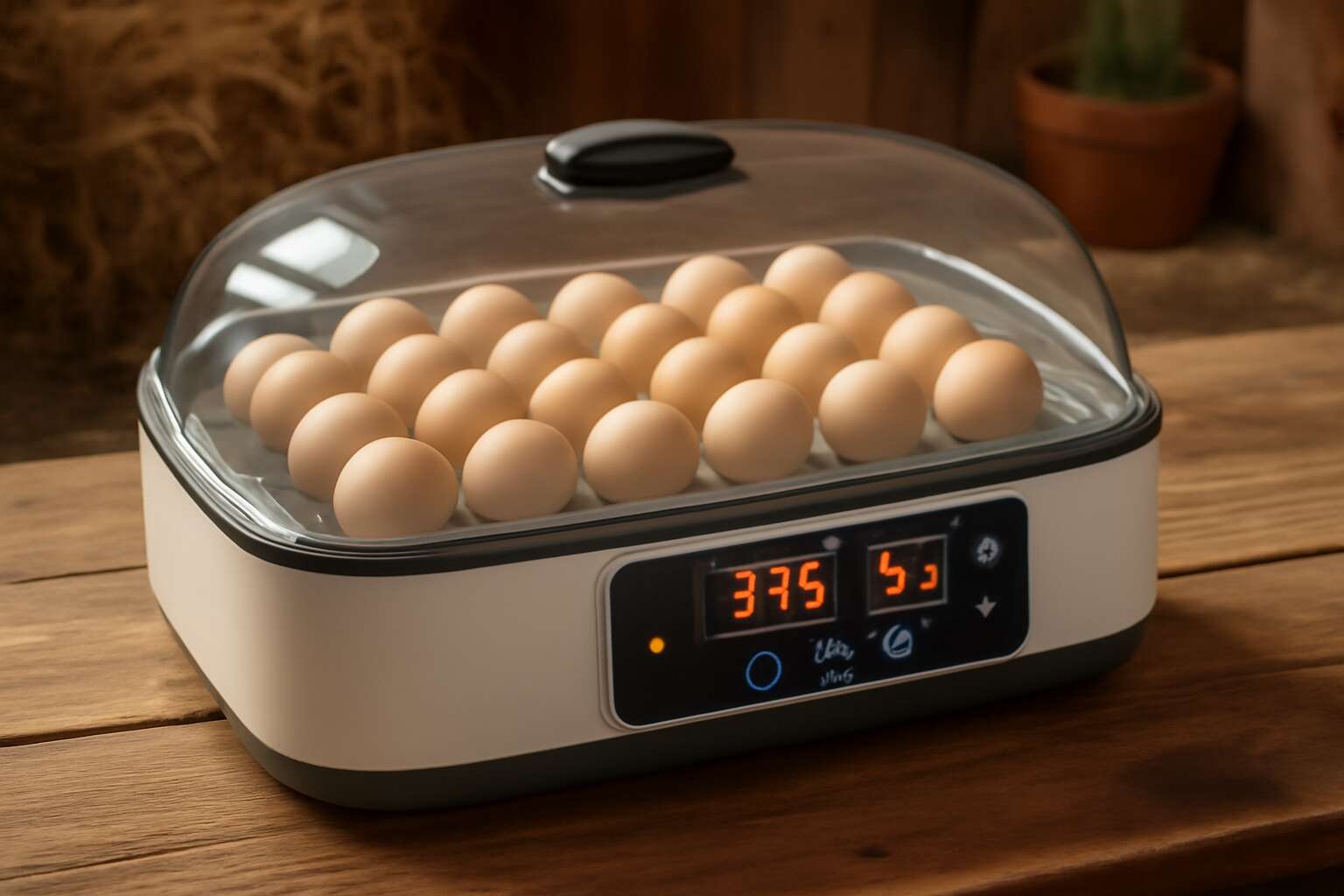
Egg incubators for hatching eggs are marvels of modern poultry technology, transforming the age-old art of incubation into a precise science. These devices create a controlled environment that mimics the warmth and humidity of a hen’s nest, ensuring optimal conditions for embryonic development. For poultry farmers and hobbyists in South Africa, understanding how egg incubators work can significantly boost hatch rates and overall success.
At their core, egg incubators function by maintaining a consistent temperature—typically around 37.5°C—and regulating humidity levels, which are crucial for healthy embryo growth. Some advanced models even feature automatic turning mechanisms that simulate a hen’s natural egg rotation, reducing the risk of embryo adhesion and deformities. Whether you’re incubating chicken, duck, or quail eggs, choosing the right egg incubators for hatching eggs can make all the difference in achieving a robust hatch.
- Temperature control systems
- Humidity regulation mechanisms
- Automatic egg turners
Understanding these core features helps ensure your incubation process is both efficient and rewarding, paving the way for a successful hatch in any setting, from small farms to large-scale poultry operations across South Africa.
Types of Incubators
When exploring the realm of egg incubators for hatching eggs, understanding the different types available is essential for maximizing success. Each incubator type offers unique advantages and challenges, tailored to specific needs and scale of operation. In South Africa, where poultry enthusiasts range from small backyard breeders to large commercial farms, selecting the right incubator can be a game-changer.
The most common are still-air incubators, which rely solely on natural convection to regulate temperature. These are simple and cost-effective but require meticulous manual monitoring. Conversely, forced-air incubators incorporate a fan to circulate warm, humid air evenly, providing a more consistent environment for egg development. For those seeking convenience and precision, digital models with programmable features and automatic egg turners are increasingly popular. These advanced egg incubators for hatching eggs not only simplify the process but also enhance hatch rates by maintaining optimal conditions effortlessly.
- Still-air incubators rely on natural heat flow, making them suitable for small-scale use.
- Forced-air models integrate fans for uniform temperature and humidity control, ideal for larger operations.
- Digital incubators with automatic turning mechanisms offer precision and ease of use, perfect for hobbyists and commercial farms alike.
Choosing the right type depends on your specific requirements, but understanding these core differences ensures your incubation journey begins on the right foot. In South Africa’s diverse poultry landscape, the right egg incubators for hatching eggs can dramatically improve hatch success, turning incubation from a gamble into a science.
Key Components of an Incubator
Understanding the key components of egg incubators for hatching eggs is like knowing the secret recipe to perfect bread—minus the flour dust and kneading. At the heart of any successful incubation setup lies the thermostat, which acts as the brain, diligently maintaining the precise temperature necessary for embryo development. Without it, your eggs are akin to a ship without a rudder—adrift and destined for failure.
Next up is humidity control, an often overlooked hero that ensures eggs don’t dry out or become overly soggy. This is crucial because, in South Africa’s diverse climate, humidity levels can swing wildly, challenging even seasoned poultry enthusiasts. Many modern egg incubators for hatching eggs feature built-in hygrometers, making it easier to keep conditions just right.
To maximize hatch rates, most models incorporate an automatic egg turner. This mechanical marvel prevents the embryo from sticking to the shell and promotes even development. Whether you’re a backyard breeder or scaling up to a commercial farm, understanding these core components transforms incubation from a gamble into a calculated science. After all, a well-equipped incubator is the difference between a handful of chicks and a thriving poultry operation.
Choosing the Right Egg Incubator
Capacity and Size Options
Choosing the right capacity for your egg incubators for hatching eggs can make all the difference. Larger incubators are ideal for those with a commercial or hobby farm, offering the ability to hatch hundreds of eggs at once. Small models, however, suit beginners or those with limited space, typically handling fewer than 50 eggs. It’s essential to match the incubator size to your production goals and available space.
Size options vary widely. Compact incubators are portable and perfect for small-scale operations or educational purposes. On the other hand, larger, cabinet-style incubators provide consistent temperature and humidity control, which is crucial for high hatch rates. When selecting an incubator, consider not just the number of eggs but also the physical dimensions and ease of maintenance.
For those serious about success, the number of eggs you plan to hatch should guide your choice. Think about future expansion and daily handling needs. The right size and capacity ensure your incubator becomes a reliable partner in your poultry or hobby farming journey.
Features to Consider
When selecting egg incubators for hatching eggs, understanding the delicate dance between technology and nature is crucial. The right features can turn a simple device into a vessel of life—an incubator that mimics the warmth of the sun and the gentle whisper of a spring breeze. Think about the precision of temperature controls, for example, which must remain steady as the heartbeat of the unborn chick. Fluctuations, even minor ones, can spell disaster, so a reliable thermostat is non-negotiable.
Humidity regulation is equally vital. Too dry, and the fragile membranes may dry out; too moist, and mold could take hold. Many models now incorporate automatic humidity controls, relieving the hatchery keeper of constant vigilance. For those seeking a seamless experience, consider incubators with digital displays—these allow for easy monitoring and adjustments, ensuring optimal conditions for hatching success.
Lastly, ease of maintenance should never be overlooked. Incubators with accessible parts and clear instructions make the process less burdensome, especially when managing multiple batches or expanding your operation. With such features, your egg incubators for hatching eggs will not only nurture life but also stand as a testament to precision and reliability in your poultry pursuits.
Material and Build Quality
When selecting egg incubators for hatching eggs, the material and build quality are often overlooked, yet they are fundamental to the success of your hatch. The durability of the incubator’s shell influences not only longevity but also how well it maintains a stable internal environment. High-quality materials like sturdy plastics or metals provide resilience against wear and tear, ensuring your investment withstands the test of time. Moreover, a well-constructed incubator minimizes vibrations and external disturbances, which can disrupt delicate embryonic development.
In the realm of egg incubators for hatching eggs, choosing a model with superior build quality translates into more consistent hatch rates. Look for models with seamless joints, reinforced corners, and robust hinges—these details speak volumes about their reliability. A good rule of thumb is to prioritize units with insulating properties that help maintain temperature and humidity fluctuations, vital for healthy chick development. The combination of quality materials and thoughtful construction transforms a simple device into a sanctuary of life, nurturing each embryo with unwavering precision.
Budget-Friendly vs. Premium Models
Choosing the right egg incubator for hatching eggs often hinges on budget, but the decision isn’t solely about price. While budget-friendly models may seem appealing, they often compromise on durability and consistent performance. In contrast, premium egg incubators for hatching eggs typically feature advanced temperature regulation, better humidity control, and superior build quality—traits that directly impact hatch rates.
For those with tighter budgets, there are reliable options that still deliver decent results. Look for models with essential features like automatic turners and digital displays, which can improve hatch success without breaking the bank. However, if your goal is to optimize hatch rates and ensure longevity, investing in a premium model pays dividends. These often come with enhanced insulation, sturdy materials, and precise environmental controls, making them ideal for serious breeders or commercial operations.
When weighing your options, consider the following:
- Long-term durability
- Consistency in maintaining temperature and humidity
- Ease of use and maintenance
In essence, whether opting for a budget-friendly or premium egg incubator for hatching eggs, understanding your specific needs and the quality of the device will ultimately determine your success in nurturing new life.
Step-by-Step Guide to Using Egg Incubators
Preparing the Eggs
Preparing eggs correctly is a crucial step in ensuring a successful hatch when using egg incubators for hatching eggs. The process begins with selecting fresh, fertile eggs—ideally collected within a few days of incubation—to maximize hatch rates. Gently cleaning the eggs with a damp cloth removes any dirt or debris that might hinder embryo development, but avoid using harsh chemicals that could harm the delicate shells.
Next, it’s important to position the eggs properly—large end up—to facilitate proper airflow and embryo positioning. For optimal results, turn the eggs at least three times daily, mimicking natural parental behaviors, which prevents the embryo from sticking to the shell membrane. Many egg incubators for hatching eggs feature automatic turning mechanisms, simplifying this task and increasing hatch success.
- Label each egg with the date it was collected to monitor freshness.
- Store eggs in a cool, humid environment before incubation to preserve viability.
- Avoid washing eggs that are being prepared for incubation, as this can remove the protective bloom.
By paying close attention to these preparatory steps, enthusiasts in South Africa—and beyond—can significantly improve their hatch rates and ensure healthy chick development. The journey from egg to hatchling is a delicate ballet of timing, temperature, and care, all of which begin long before the eggs are placed inside egg incubators for hatching eggs.
Setting Up the Incubator
Setting up your egg incubator for hatching eggs might seem as straightforward as pressing a button and waiting, but in reality, it’s more akin to conducting a delicate symphony. The first step is to ensure the incubator is clean, functioning perfectly, and preheated to the optimal temperature—usually around 37.5°C for poultry eggs. Once the incubator is warm, it’s time to place your prepared eggs inside.
To maximize hatch success, position the eggs with the large end up, allowing for proper airflow and embryo orientation. Many egg incubators for hatching eggs come equipped with automatic turning mechanisms—take full advantage of these! If manual, remember to turn the eggs at least three times daily, mimicking mother nature’s instinctual behavior. This prevents the embryo from sticking to the shell membrane and promotes even development.
- Ensure humidity levels are set correctly—usually around 50-55% during incubation and increased to 65-70% during hatching.
Monitoring temperature and humidity regularly is a must. Think of this process as nurturing a tiny, fragile miracle—precision and patience are the secret ingredients. Trust in your egg incubator’s features, and soon, you’ll be marveling at the tiny life forms emerging from their shells, ready to take on the world!
Maintaining Optimal Conditions
Maintaining optimal conditions in your egg incubator for hatching eggs is nothing short of scientific wizardry—without the lab coat! Precision is paramount; a slight deviation in temperature or humidity can spell disaster for your tiny hatchlings. The magic number for poultry eggs typically hovers around 37.5°C, with an ideal humidity of 50-55% during incubation. Think of your incubator as a delicate ecosystem, where balance is everything.
To ensure your eggs develop into healthy chicks, regular monitoring is essential. Using a reliable thermometer and hygrometer, check the temperature and humidity at least twice daily. If your incubator boasts automatic controls, sit back and enjoy the show—these features keep conditions steady like a dedicated butler. Otherwise, a gentle manual adjustment might be necessary, especially during the critical hatching phase, when humidity should be increased to around 65-70%.
And don’t forget to turn the eggs regularly—at least three times a day—to prevent the embryo from sticking to the shell membrane. Whether you have an automatic egg incubator for hatching eggs or a manual model, consistency and patience are your best allies in this tiny miracle-making process. Soon, you’ll be witnessing the awe-inspiring moment when life begins—an experience worth every minute of meticulous care!
Monitoring and Troubleshooting
In the shadowed quiet of your incubator’s chamber, precision becomes an almost sacred ritual. To navigate the delicate dance of hatching eggs successfully, understanding the step-by-step process of monitoring and troubleshooting is vital. Every fluctuation in temperature or humidity can cast a dark spell on your fragile hatchlings. That’s why vigilant observation is essential—especially in the mysterious hours just before hatch day.
Begin by checking the incubator’s controls twice daily, ensuring the temperature remains around 37.5°C—the magic number for poultry eggs. Use reliable thermometers and hygrometers to detect even the slightest deviation. If your egg incubators for hatching eggs feature automatic systems, trust their precision but still keep a watchful eye. For manual models, gentle adjustments might be necessary to restore balance. During the critical hatching phase, humidity should be increased to around 65-70% to coax the tiny lives into the world.
If issues arise, such as inconsistent temperature or failure to hatch, troubleshooting becomes an art form. Consider these steps:
- Inspect the temperature and humidity sensors for accuracy.
- Ensure the incubator’s lid seals tightly—any breach can lead to chaos within.
- Check for drafts or air leaks that might disturb the ecosystem inside.
Mastery over monitoring and troubleshooting transforms an ordinary incubator into a vessel of life’s mysterious rebirth. With patience and vigilance, every hatch becomes a testament to the dark beauty of creation—an awe-inspiring miracle born from careful tending in the quiet shadows of your incubator’s chamber.
Benefits of Using Egg Incubators for Hatching Eggs
Increased Hatch Rate
Harnessing the power of egg incubators for hatching eggs transforms an uncertain venture into a symphony of precision and promise. When managed with finesse, these marvels dramatically elevate the hatch rate, turning fragile dreams into burgeoning reality. The controlled environment within an incubator shields delicate eggs from the unpredictable whims of nature—temperature fluctuations, humidity swings, and sudden jolts are silenced, replaced by a steady, nurturing embrace.
The magic resides in their ability to mimic natural incubation conditions, ensuring that each tiny embryo receives optimal warmth and moisture. This meticulous regulation not only enhances hatch success but also fosters healthier, more vigorous chicks. In essence, egg incubators for hatching eggs act as silent guardians of life’s delicate miracle, empowering breeders and enthusiasts alike to unlock nature’s hidden bounty with unwavering confidence.
Controlled Environment
In the realm of poultry cultivation, the power of egg incubators for hatching eggs is nothing short of revolutionary. These technological marvels create a meticulously controlled environment that mimics nature’s gentle touch, transforming the unpredictable into the predictable. The secret lies in their ability to regulate temperature and humidity with precision, ensuring each embryo’s delicate needs are met without fail.
By maintaining optimal conditions, egg incubators for hatching eggs significantly increase hatch success rates. This means fewer lost eggs and more vibrant chicks emerging from their shells—an undeniable advantage for breeders looking to scale their operations or hobbyists eager for a successful hatch. The consistent environment not only boosts hatchability but also promotes healthier, more vigorous chicks that are better prepared to thrive in their new environments.
- Enhanced hatch rate accuracy
- Fostering healthier chicks
- Reduced risk of environmental stressors
- Efficient use of time and resources
With egg incubators for hatching eggs, the journey from fragile egg to lively chick becomes a symphony of science and nature working in harmony. It’s a tool that empowers breeders across South Africa to unlock the full potential of their eggs, turning fleeting moments of hope into a flourishing future.
Time and Labor Efficiency
Time is the most precious resource for anyone venturing into poultry farming, and egg incubators for hatching eggs are game-changers in this regard. These technological marvels streamline the entire process, allowing breeders to focus on growth and innovation rather than constant supervision. With automated turning, temperature regulation, and humidity control, the incubator handles many tasks once performed manually, saving countless hours each day.
Moreover, egg incubators for hatching eggs reduce labor intensity, making the journey from egg to chick more efficient. Instead of daily checks and adjustments, breeders can set and forget, trusting the incubator to maintain optimal conditions. This efficiency not only minimizes human error but also maximizes hatch success—turning what was once a laborious chore into a seamless, almost poetic process.
For those seeking to elevate their poultry operation, the benefits are undeniable. The streamlined workflow means more eggs can be processed in less time, allowing for greater scale and productivity. It’s a harmonious blend of science and nature, where precision meets patience, ultimately fostering healthier chicks and a more sustainable future for poultry enthusiasts across South Africa.
Scalability for Commercial Use
Scaling a poultry operation has never been more attainable thanks to innovative egg incubators for hatching eggs. These devices unlock the potential for rapid, consistent growth, enabling breeders to expand their flock with ease. With larger capacities and automated systems, commercial farms can hatch hundreds or even thousands of chicks without the logistical chaos of manual incubation. This not only amplifies productivity but also ensures a uniform quality across batches, a critical factor for market competitiveness.
By investing in reliable egg incubators for hatching eggs, poultry producers can streamline their workflow—reducing downtime and increasing hatch rates. The controlled environment within these incubators minimizes waste and maximizes yield, making them a cornerstone for sustainable, scalable poultry farming. Whether operating on a small farm or a large commercial enterprise, the ability to consistently produce healthy chicks transforms the landscape of poultry production in South Africa. The true power lies in their capacity to adapt, grow, and elevate operations to meet increasing demand with precision and confidence.
Common Challenges and How to Overcome Them
Temperature Fluctuations
Temperature fluctuations remain one of the most challenging hurdles in achieving a successful hatch with egg incubators for hatching eggs. Even minor deviations can disrupt the delicate process of embryo development, leading to poor hatch rates or weak chicks. Maintaining a steady temperature is essential, yet environmental factors like room temperature changes or power surges can cause instability. The key to overcoming these issues lies in investing in incubators with reliable thermostats and backup power options, which help stabilize internal conditions during unforeseen disruptions.
To combat temperature inconsistencies, it’s beneficial to implement a routine of frequent monitoring and calibration. An incubator’s thermostat can sometimes drift out of calibration, especially with prolonged use. Regular checks ensure the internal temperature remains within the optimal range of 37.5°C to 38°C. For larger operations, considering models that feature automatic temperature regulation and alarm systems can make a significant difference. These features serve as a safeguard, alerting you immediately if temperature fluctuations occur, thus allowing swift correction before any damage is done.
- Ensure the incubator is placed in a stable environment, away from direct sunlight or drafts.
- Use a reliable digital thermometer for precise readings.
- Opt for incubators with built-in temperature control and backup power solutions.
By paying close attention to these factors, you can significantly reduce the impact of temperature fluctuations, giving your hatching project the best chance for success. Whether you’re a small-scale farmer or a commercial hatchery, understanding how to address these common challenges is vital in maximizing hatchability and producing healthy chicks with your egg incubators for hatching eggs.
Humidity Issues
Humidity issues often pose a silent threat to successful hatching with egg incubators for hatching eggs. Fluctuating humidity levels can cause embryos to either dry out or become overly moist, compromising their development. Maintaining a consistent humidity—ideally between 50% and 60%—is crucial for healthy hatchlings. Sudden drops or spikes in moisture can be mitigated by using reliable hygrometers and adjusting water levels within the incubator accordingly.
For larger operations, implementing automated humidity control systems with alarms can make a significant difference. These advanced features alert you immediately to humidity deviations, allowing swift correction. Additionally, placing the incubator in a stable environment, away from drafts and direct sunlight, helps sustain consistent conditions. Properly managing humidity not only boosts hatch rates but also ensures the vitality of your chicks, making your investment in egg incubators for hatching eggs truly worthwhile.
Egg Mortality
Egg mortality remains one of the most persistent challenges when using egg incubators for hatching eggs. Many factors can cause embryos to fail, leading to wasted effort and reduced hatch rates. Temperature spikes or drops, poor humidity control, and handling mistakes are common culprits. These issues can quietly sabotage your incubation process, often before you even realize there’s a problem.
Fortunately, some straightforward measures can significantly reduce egg mortality. Regularly checking and adjusting temperature and humidity levels is essential. Using reliable thermometers and hygrometers ensures accurate readings. Avoid unnecessary movement of eggs and keep the incubator in a stable environment to prevent sudden fluctuations. For larger operations, investing in advanced incubators with automated controls can help maintain consistent conditions and minimize losses.
Incorporating these practices into your routine boosts hatch success and ensures healthier, more vigorous chicks. Managing egg mortality is crucial for anyone relying on egg incubators for hatching eggs, especially in the busy and unpredictable climate of South Africa. Every step taken toward stability and precision translates into more successful hatches and a stronger poultry operation.
Mechanical Failures
Mechanical failures pose a silent threat to the success of egg incubators for hatching eggs. When vital components such as thermostats, fans, or heating elements falter, the stability of the incubation environment is compromised—often without immediate notice. These failures can swiftly lead to uneven temperature distribution or inadequate humidity, jeopardizing delicate embryo development.
Addressing these challenges begins with diligent maintenance and regular inspections. Ensuring that electrical connections are secure and components are in optimal condition helps prevent sudden breakdowns. For those operating on a commercial scale, investing in high-quality incubators with built-in diagnostics and backup systems can dramatically reduce downtime and losses.
In some cases, simple troubleshooting steps—such as testing the power supply or replacing worn-out parts—can restore functionality. Here is a quick overview of essential measures:
- Routine maintenance checks
- Use of reliable power sources
- Scheduled replacement of aging components
By proactively managing mechanical integrity, hatchers can safeguard their investment in egg incubators for hatching eggs, ensuring a steady, dependable hatch rate even amid South Africa’s unpredictable climate. The resilience of your incubator directly correlates with the vitality of your hatch, transforming fragile beginnings into thriving poultry futures.
Tips for Successful Egg Incubation
Selecting Fertile Eggs
Choosing the right fertile eggs is the first step toward a successful hatch. Not all eggs are created equal; some are destined to hatch while others are better left aside. Look for eggs with a clean, uncracked shell and a uniform shape—these are often the best candidates for egg incubators for hatching eggs. Freshness is critical: eggs should ideally be no more than a week old, as older eggs tend to have lower hatchability. When selecting eggs, consider their origin—hens that are well-fed and healthy produce more viable eggs, increasing your chances of a thriving hatch.
To maximize your success, it’s helpful to keep a checklist:
- Check for cleanliness and shell integrity.
- Ensure the eggs are from healthy, well-nourished hens.
- Avoid eggs with cracks or irregularities.
- Use eggs within a week of collection for optimal results.
By paying close attention to these details, you significantly improve the efficacy of your egg incubators for hatching eggs, turning a simple process into a promising journey of life’s miracle. Remember, the quality of your eggs directly influences hatch rate success—so choose wisely!
Proper Egg Handling
When it comes to egg incubators for hatching eggs, proper egg handling can make or break your hatch rate. Handling eggs with care isn’t just about avoiding cracks; it’s about preserving the delicate life inside. Rough handling or sudden temperature changes can reduce hatchability and leave you with a basket full of disappointment. Always remember: gentleness is key.
Before placing eggs in your incubator, it’s wise to turn them gently and avoid excessive jostling. This prevents the embryo from sticking to the shell membrane. Keep eggs at a consistent temperature—ideally around 15-20°C—while transferring them, and never wash eggs as this can remove the protective bloom, increasing the risk of contamination. Instead, use a soft brush or cloth to clean if necessary.
To optimize your success with egg incubators for hatching eggs, consider these essential handling tips:
- Handle eggs with clean hands or wear gloves to prevent bacteria transfer.
- Store eggs with the pointed end down to keep the embryo in the correct position.
- Avoid excessive movement; minimal handling until incubation begins.
By respecting the fragility of each egg and maintaining a stable environment, you’re setting the stage for a thriving hatch. Remember, meticulous handling isn’t just a chore—it’s the secret ingredient in turning your egg incubators for hatching eggs into hatchery heroes! With a little care and a dash of patience, those tiny life sparks will soon start their miraculous journey.
Ventilation Management
Ventilation is the silent hero behind a successful hatch when using egg incubators for hatching eggs. Proper airflow ensures that oxygen reaches developing embryos while excess carbon dioxide escapes, creating a balanced environment essential for healthy development. Inadequate ventilation can lead to sluggish growth or even embryo mortality, turning hopeful hatch days into disappointment.
Maintaining consistent airflow within your incubator involves more than just setting it and forgetting it. Regularly check the ventilation system—whether it’s adjustable vents, fans, or humidity controls—to ensure they operate smoothly and keep the environment stable. During incubation, avoid abrupt changes in ventilation that could cause temperature fluctuations or humidity spikes, both of which threaten hatch success.
For optimal results, some breeders incorporate egg incubators for hatching eggs equipped with automatic ventilation systems. These models help regulate airflow continuously, mimicking natural conditions. Remember, a controlled environment is the cornerstone of a high hatch rate. Proper ventilation management isn’t just a technical detail; it is a vital part of nurturing life from tiny eggs into thriving chicks.
Timing and Lockdown Period
Timing is everything in the delicate dance of incubation. Even the slightest deviation in the hatch cycle can spell the difference between a triumphant emergence and a tragic loss. The crucial phase known as the lockdown period marks the final act in this symphony of life, where eggs must be left undisturbed to develop fully. During this time, maintaining constant humidity and temperature is vital, as any fluctuation can cause embryo mortality or deformities.
In the darkened silence of the incubator, patience becomes a virtue. Experts recommend marking your calendar and closely monitoring the incubation timeline to ensure eggs are not prematurely turned or disturbed. Remember, egg incubators for hatching eggs equipped with automatic turners can greatly simplify this process, ensuring optimal timing and reducing human error. As the hatch day approaches, reducing ventilation slightly can help the chicks break free, but vigilance remains paramount. The art of timing, when executed with precision, transforms fragile beginnings into thriving life—an act both mysterious and profoundly beautiful.
Maintenance and Upkeep of Incubators
Cleaning Procedures
Maintaining egg incubators for hatching eggs is a crucial step in ensuring a successful hatch. Proper upkeep not only preserves the longevity of the equipment but also safeguards the delicate environment where life begins. Regular cleaning procedures serve as the backbone of this maintenance, preventing bacterial buildup and ensuring consistent temperature and humidity levels. In fact, neglecting these routines can lead to increased egg mortality and reduced hatch rates, turning what should be a straightforward process into a stressful ordeal.
Cleaning should be performed meticulously after each hatch or every few weeks, depending on usage. Disassemble removable parts such as trays, water channels, and sensors, then scrub them with a mild disinfectant. This process helps eliminate potential contaminants that could compromise the incubator’s controlled environment. For the main chamber, wipe down surfaces with a damp cloth and ensure all residual debris is removed. This attention to detail keeps egg incubators for hatching eggs in prime condition, ready for the next batch of fertile eggs.
To streamline the upkeep process, consider implementing a routine checklist:
- Disinfect all removable parts thoroughly.
- Clean the interior surfaces with a non-abrasive cleaner.
- Check and calibrate temperature and humidity sensors.
- Inspect for signs of wear or damage that might affect operation.
By adhering to strict cleaning procedures, poultry enthusiasts and commercial hatchers in South Africa can maximize the hatch success of their egg incubators for hatching eggs, turning every incubation cycle into a testament of precision and care.
Regular Inspection
Regular inspection and diligent maintenance of egg incubators for hatching eggs are the unsung heroes of a successful hatch. Picture this: a tiny chick’s life hinges on the precision of your equipment, and skipping routine checks is like playing a game of egg roulette—except the stakes are much higher. Consistent inspections help identify mechanical hiccups before they turn into full-blown incubator catastrophes, saving you from the heartbreak of a failed hatch.
To keep your incubator operating at peak performance, incorporate a visual and functional inspection schedule. This should include checking the smooth operation of fans, ensuring the thermostat remains calibrated, and verifying the humidity control system is functioning correctly. For example, if the fan blades are clogged or the thermostat drifts from its set point, your hatch rates could plummet faster than a feather in a hurricane.
Consider adopting a simple routine: every week, perform a thorough check—look for signs of wear, listen for unusual noises, and ensure that ventilation pathways are unobstructed. A well-maintained incubator not only preserves the controlled environment but also boosts hatch success. Remember, in the world of egg incubators for hatching eggs, vigilance is your best ally against unpredictable mechanical failures and environmental fluctuations, keeping every chick’s journey seamless from start to hatch.
Replacing Parts and Accessories
Maintaining the optimal performance of egg incubators for hatching eggs is a delicate dance—one that demands vigilant attention to detail and timely upkeep. Over time, components such as heating elements, fans, and humidity sensors may wear out or become less accurate, jeopardizing hatch success. Replacing parts and accessories isn’t just routine maintenance; it’s a strategic move to safeguard your investment and ensure a stable, controlled environment inside the incubator.
Regularly inspecting and updating worn or faulty parts minimizes the risk of mechanical failures that could compromise the delicate process of incubation. For instance, a malfunctioning thermostat can cause temperature fluctuations, while a clogged fan reduces airflow, both of which threaten hatch viability. To streamline this process, consider maintaining a checklist of essential replacements:
- Thermostat calibration and replacement
- Fan blades and motors
- Humidity sensors and water reservoirs
- Door seals and insulation for airtight conditions
By proactively replacing these key accessories, you fortify the incubator’s environment, ensuring each egg receives the precise conditions needed for successful hatching. A well-kept egg incubator for hatching eggs not only extends its lifespan but also elevates hatch rates, turning a routine task into an art form of precision and care.
Frequently Asked Questions About Egg Incubators
How long does incubation last?
The incubation period varies depending on the bird species, but for many common farm birds like chickens, it typically lasts about 21 days. This timeframe is crucial to understand when using egg incubators for hatching eggs, as it guides the entire process. During these three weeks, maintaining a stable environment inside the incubator is essential for successful hatch rates. Any fluctuations in temperature or humidity can jeopardize embryo development and reduce hatch success.
For other species, such as quail or ducks, the incubation period can be shorter or longer. For example, quail eggs generally hatch in 17 to 18 days, while duck eggs may take up to 28 days. Familiarity with these timelines helps optimize the use of egg incubators for hatching eggs of different types. Monitoring progress closely during the incubation period ensures that you can intervene early should any issues arise, securing a healthier hatch. In the end, understanding how long incubation lasts is fundamental for anyone invested in successful hatchings using reliable egg incubators for hatching eggs.
What is the optimal temperature for incubation?
When it comes to egg incubators for hatching eggs, getting the temperature just right is like finding the sweet spot on a vintage radio—crucial and a little finicky. The optimal temperature for most poultry eggs, especially chickens, hovers around 37.5°C (99.5°F). Anything too hot or too cold can throw off embryo development faster than a bad joke at a comedy club. Maintaining this temperature consistently inside the incubator ensures healthy hatchlings and reduces the risk of deformities or mortality.
For those venturing into different species, temperature ranges vary slightly. Quail eggs, for example, hatch best at about 37.2°C (99°F), while duck eggs prefer a cooler 37°C (98.6°F). It’s essential to consult specific guidelines for each bird type to maximize hatch success.
- Fluctuations in temperature
- Inconsistent heat distribution
can cause embryo stress, leading to fewer chicks or dead-in-shell issues. The key to success with egg incubators for hatching eggs is a stable, controlled environment—think of it as giving your eggs a cozy, climate-controlled spa day!
Can I incubate different types of eggs together?
Can you incubate different types of eggs together in your egg incubators for hatching eggs? The answer is both yes and no, depending on your goals and the species involved. While it might seem tempting to hatch a variety of eggs under one roof, the nuances of each bird’s incubation needs can turn this into a delicate dance. For instance, chickens and quails can sometimes share the same incubator if their temperature and humidity requirements are closely aligned, but it’s generally better to keep them separate to ensure optimal hatch rates.
Mixing eggs from vastly different species—like ducks and quails—can pose risks such as incompatible humidity levels or temperature fluctuations, which may lead to embryo stress or mortality. To maximize success, consider these factors:
- Eggs from different species often require subtly different temperature ranges.
- Humidity levels must be precisely managed, as some species are more sensitive than others.
- Cross-contamination or disease transmission is a potential concern when sharing incubators.
Ultimately, dedicated incubators for hatching eggs tailored to each species tend to yield more reliable results. However, with meticulous attention to environmental controls, some enthusiasts do successfully hatch mixed species in carefully monitored egg incubators for hatching eggs. The key is understanding each bird’s unique needs and adjusting your incubator’s settings accordingly—because in the world of avian hatchery magic, precision is paramount!
When should I stop turning the eggs?
In the delicate ballet of avian incubation, timing is everything—especially when it comes to stopping the turning of eggs. The critical period, often referred to as the “lockdown” phase, is when the embryo is most vulnerable and requires stable conditions to develop successfully. Typically, this occurs around day 18 for chicken eggs, but the precise timing can vary depending on the species and specific incubation parameters.
During this phase, it is essential to cease turning the eggs, allowing the embryo to settle and position itself properly for hatching. Failure to do so can result in deformities or failure to hatch altogether. Most experienced breeders and enthusiasts using egg incubators for hatching eggs recommend stopping the turning process 2 to 3 days before the expected hatch date.
- Monitor your incubation period carefully, noting the species-specific days for hatch.
- Cease turning the eggs gently, ensuring they are still kept at the optimal temperature and humidity.
- Maintain a stable environment during this “lockdown” period—disruptions can be detrimental to fragile embryo development.
Precision in timing and environmental stability during the final days is the hallmark of successful hatching. The subtle art of knowing when to stop turning eggs within your egg incubators for hatching eggs can significantly influence hatch rates and the vitality of the hatchlings, making it a vital detail for any serious aviculturist or hobbyist.




0 Comments