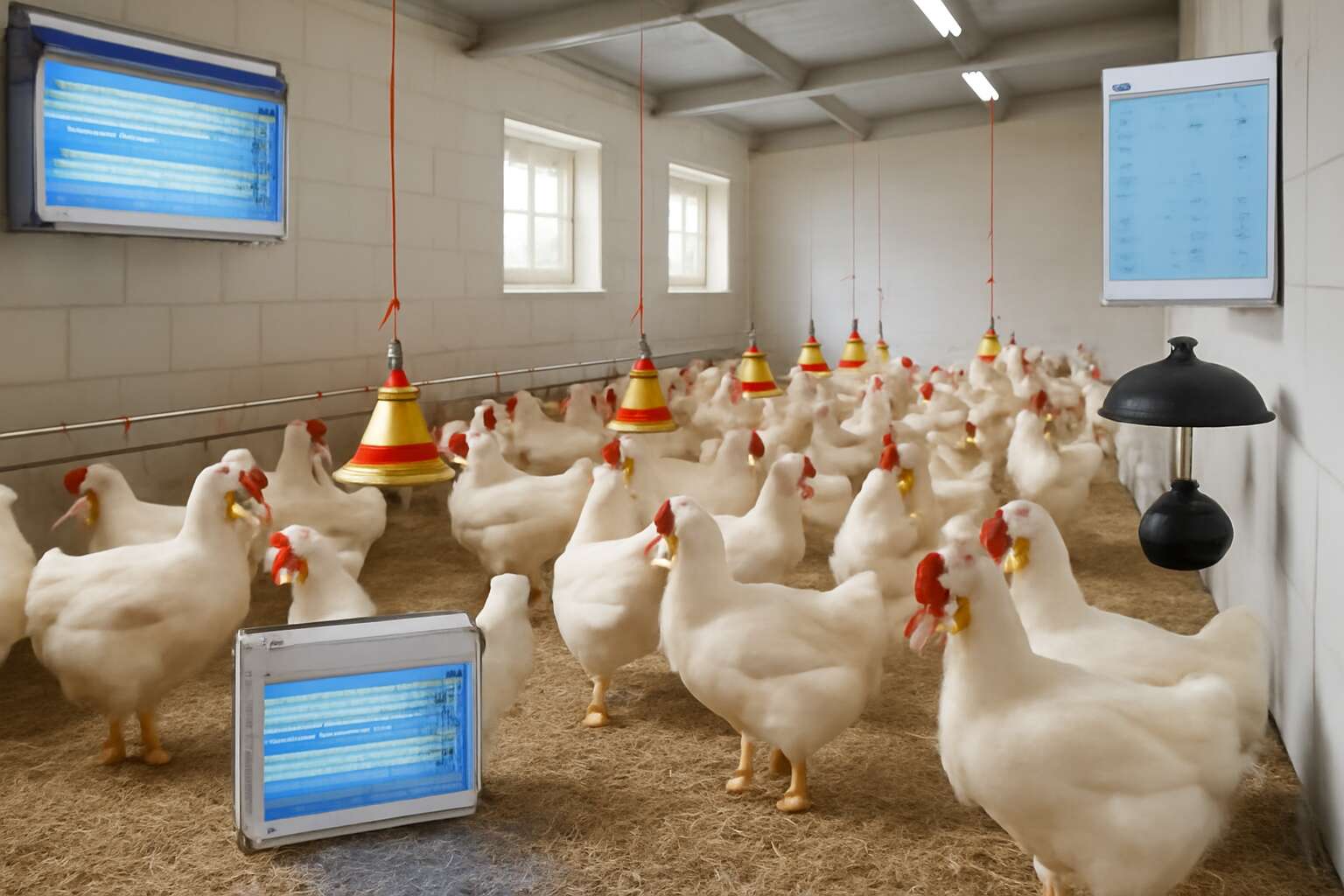
Understanding the Importance of Fly Control in Poultry Farming
The Impact of Flies on Poultry Health
Fly control in poultry farms isn’t just about keeping insects at bay; it’s about safeguarding the health of entire flocks. Flies are more than a mere nuisance—they are vectors for diseases that can devastate poultry populations. In South Africa, where poultry farming sustains many communities, understanding the impact of flies on poultry health is crucial. A single fly can carry pathogens like Salmonella or E. coli, which can spread rapidly among birds, leading to lowered productivity and increased vet bills.
Effective fly control poultry farm strategies minimize these risks, ensuring a healthier environment for the birds. This involves a combination of sanitation, proper waste management, and targeted insecticide use. Implementing rigorous fly control measures helps prevent the transmission of illnesses and preserves the integrity of the flock. Remember, a clean farm isn’t just about aesthetics; it’s a frontline defense against disease outbreaks that could cripple your operations.
Economic Consequences of Fly Infestation
The true cost of ignoring fly control poultry farm operations can be staggering. In South Africa’s competitive poultry industry, every missed opportunity to curb infestations translates into tangible financial losses. Flies are not just a bothersome presence—they undermine productivity and threaten the very viability of your farm’s future.
When fly infestations go unchecked, the economic ripple effects are profound. Reduced egg production, stunted growth in young birds, and increased veterinary expenses are common consequences. Moreover, the spread of disease—facilitated by these persistent pests—can lead to devastating outbreaks that wipe out entire flocks. It’s a silent threat that demands vigilant attention.
To comprehend the gravity of fly control poultry farm strategies, consider the following:
- The cost of disease outbreaks caused by fly-borne pathogens can cripple farm revenue for months, if not years.
- Losses aren’t limited to health; they extend to market reputation and consumer confidence.
- Implementing robust fly control poultry farm measures can yield immediate savings and long-term security.
Understanding the delicate balance between maintaining a healthy flock and safeguarding your bottom line underscores the importance of proactive fly management. Every aspect of your poultry farm’s operation hinges on the effectiveness of your fly control poultry farm system—an invisible yet powerful shield against financial devastation.
Regulatory Requirements and Best Practices
In the bustling realm of South Africa’s poultry industry, the invisible menace of flies can quietly undermine the integrity of your farm’s success. Regulatory bodies emphasize the imperative of effective fly control poultry farm measures—not merely as a matter of hygiene, but as a vital component of legal compliance. Ignoring these protocols can lead to hefty penalties, operational shutdowns, or worse, the loss of your hard-won reputation within the market.
Best practices in fly management transcend mere pest deterrence; they weave a tapestry of integrated strategies to uphold health standards and environmental regulations. For example, maintaining meticulous waste disposal routines and employing biological control agents are foundational steps. To streamline your efforts, consider the following:
- Regular sanitation to eliminate breeding grounds
- Use of approved insecticides aligned with local regulations
- Strategic placement of fly traps and screens
Adopting a comprehensive fly control poultry farm system not only ensures compliance but also fortifies the farm’s resilience against infestations. In a landscape where regulatory adherence and farm productivity are intertwined, proactive management becomes the cornerstone of a thriving poultry enterprise in South Africa. Embracing these principles transforms your farm into a bastion of health, efficiency, and sustainability—shielded from the silent threat of flies that lurk in the shadows.
Common Types of Flies in Poultry Farms
House Flies
Within the shadowy corners of poultry farms, a few uninvited guests lurk—namely, common types of flies that thrive amidst the chaos of manure, feed spills, and damp bedding. Among these, house flies stand out as the most persistent and troublesome. Their presence isn’t just a nuisance; it’s a threat to biosecurity, spreading pathogens that can jeopardize flock health. These flies are notorious for their rapid breeding cycle, often laying hundreds of eggs in just a few days, turning a small infestation into a full-blown crisis in no time.
Understanding the common types of flies in poultry farms is crucial for effective fly control poultry farm strategies. House flies (Musca domestica), for example, are easily identified by their grayish bodies and red eyes. They are attracted to organic waste and manure, making poultry houses their perfect breeding ground. Other species, like stable flies, are more aggressive biters and can cause stress among the birds. To combat these persistent pests, farm managers often turn to integrated pest management approaches, which include sanitation, physical barriers, and targeted insecticides.
Stable Flies
Among the myriad of pests that threaten the sanctity of a poultry farm, stable flies (Stomoxys calcitrans) are often overlooked, yet their impact is profound. Unlike house flies, stable flies are aggressive biters, piercing the skin of birds with relentless precision. Their presence can lead to stress and decreased productivity, subtly undermining the health of the flock without immediate notice.
What makes stable flies particularly insidious is their breeding strategy. They thrive in damp, decaying organic matter—be it manure, spilled feed, or rotting bedding—creating a perfect storm for proliferation. Recognizing their unique behavior is vital for effective fly control poultry farm strategies. This species tends to congregate in shaded, moist areas, making targeted sanitation and physical barriers crucial components of integrated pest management.
To combat stable fly infestations, poultry farm managers must adopt a comprehensive approach. This includes diligent removal of breeding sites, the use of physical barriers such as screens, and, when necessary, targeted insecticides. Only through understanding the distinct characteristics of these flies can one hope to implement effective fly control poultry farm measures and preserve the biosecurity of the operation.
Cluster Flies
Within the bustling realm of poultry farms, a silent invasion often lurks—unseen yet profoundly impactful. Among the myriad of flies that threaten the harmony of these sanctuaries, cluster flies (Pollenia spp.) are particularly cunning. Unlike their more aggressive counterparts, these flies are gentle in flight, gathering in vast swarms, especially during autumn evenings, seeking refuge in warm crevices of poultry housing.
Cluster flies are known for their distinctive behavior of overwintering inside buildings, which makes fly control poultry farm efforts both challenging and essential. Their slow-moving nature hides their true potential for chaos, as their large populations can quickly become overwhelming without vigilant sanitation. They are less likely to bite, but their presence can cause stress among poultry, disrupting the delicate balance necessary for optimal productivity.
To keep these unwelcome guests at bay, poultry farm managers often rely on strategic measures such as sealing cracks, installing physical barriers, and maintaining impeccable cleanliness. Recognizing the specific traits of cluster flies—such as their tendency to cluster in dark, warm corners—can turn the tide in effective fly control poultry farm strategies. Employing targeted insecticides in conjunction with environmental management creates a formidable barrier against their proliferation, safeguarding the health and efficiency of the flock.
Face Flies
When it comes to fly control poultry farm environments, understanding the common culprits is half the battle won. Flies are more than just a nuisance; they can undermine the health and productivity of your flock if left unchecked. Among the usual suspects are house flies, stable flies, and, of course, those sneaky cluster flies we already covered—each with their own quirks and tricks. But there’s more lurking in the shadows.
For example, green bottle flies are notorious for their metallic sheen and their uncanny ability to turn decaying organic matter into a breeding ground. These flies thrive on manure and spilled feed, making them a persistent problem in poultry farms. Their rapid breeding cycle means a swift population explosion, demanding vigilant fly control poultry farm strategies.
In addition, less obvious but equally problematic are *biting flies* that can cause stress among poultry, leading to decreased egg production and compromised immune systems. Implementing effective fly control poultry farm measures involves a mix of sanitation, environmental management, and targeted insecticides. A comprehensive approach can turn your poultry farm into a fly-free sanctuary, boosting productivity and safeguarding animal health.
Methods of Fly Control in Poultry Farms
Sanitation and Farm Hygiene
In the realm of poultry farming, maintaining a pristine environment is akin to conjuring an invisible shield against unwelcome guests—the flies. Evidence suggests that a well-maintained poultry farm can reduce fly populations by over 70%, transforming chaos into calm. Sanitation and farm hygiene are the twin pillars upon which effective fly control poultry farm strategies are built, ensuring that these pesky intruders are kept at bay. Every nook and cranny, every spill, and every droplet becomes a battleground in this silent war.
Implementing rigorous cleaning routines, removing manure promptly, and ensuring proper drainage can significantly diminish fly breeding sites. Organic waste and litter should be managed with care, as they become magnets for flies. To bolster these efforts, many poultry farmers turn to biological controls—such as introducing beneficial insects that prey on fly larvae—creating an ecological balance that favors health and hygiene. Such methods not only curtail fly populations but also foster an environment where poultry can thrive unperturbed.
In essence, a clean poultry farm is a fortress of natural defenses. By prioritizing sanitation and farm hygiene, farmers weave a protective tapestry that keeps flies at bay, ensuring a healthier, more productive flock—an enchanting balance of nature and nurture in the heart of every poultry operation.
Waste Management Strategies
Waste management strategies are the frontline in the battle against fly infestations on a poultry farm. Flies are attracted to manure, spilled feed, and organic waste, which create perfect breeding grounds. Effective waste management involves not only regular removal of manure but also strategic waste disposal methods that disrupt fly life cycles. Properly covering manure piles and using composting techniques can significantly reduce fly populations.
Implementing biological control methods can enhance fly control poultry farm efforts. Introducing beneficial insects such as parasitoid wasps that target fly larvae offers an eco-friendly approach that works in harmony with natural processes. This method decreases reliance on chemical controls and promotes a healthier environment for poultry and farm workers alike.
- Consistent removal of manure and waste
- Use of fly-proof covers on manure storage facilities
- Application of biological controls like beneficial insects
By integrating these waste management strategies into your fly control poultry farm plan, you create a hostile environment for flies, reducing their numbers effectively and sustainably. Remember, in poultry farming, a clean environment is the foundation of healthy birds—and a fly-free farm is the key to long-term success!
Physical Barriers and Screenings
In the realm of fly control poultry farm operations, physical barriers and screenings serve as the first line of defense against relentless fly invasions. Imagine layers of fine mesh fabric, like a shimmering shield, blocking out winged invaders while still allowing fresh air to circulate freely. These barriers are not only practical but essential in creating a hostile environment for flies, especially around entry points and ventilation openings.
Strategic use of fly-proof screens on windows, doors, and ventilation fans can drastically reduce the number of adult flies entering the poultry housing. For added protection, some farms install insect-proof curtains that act as a barrier during peak fly seasons. These lightweight, durable screens ensure that the farm remains a sanctuary for poultry, free from the nuisance and health risks posed by fly populations.
Incorporating physical barriers into your fly control poultry farm strategy transforms the environment into a fortress. With each layer of screening, the likelihood of fly breeding diminishes, paving the way for healthier birds and more efficient farm management. It’s a simple yet powerful tactic—turning the farm into a no-fly zone, naturally!
Biological Control Options
Biological control options for a fly control poultry farm harness the delicate balance of nature to wage war against winged invaders. Instead of relying solely on chemicals, enlightened farms turn to natural predators—parasitic wasps and certain beneficial insects—that target fly larvae with ruthless precision. This symbiotic approach transforms the environment into a battleground where nature’s own warriors diminish fly populations without risking harm to poultry or humans.
Introducing these biological allies can be a game-changer, especially when integrated into a comprehensive fly control poultry farm strategy. These natural enemies seek out fly pupae, disrupting the lifecycle at its most vulnerable stage. Such methods not only reduce the reliance on chemical sprays but also promote a healthier, more sustainable farm ecosystem.
For farms seeking a seamless blend of tradition and innovation, biological control offers a silent, effective solution—an invisible shield woven into the very fabric of the poultry environment. Embracing these methods ensures that the farm remains a sanctuary, free from the relentless nuisance of flies, and champions a future where poultry health and farm productivity flourish in harmony.
Chemical Control Strategies
Effective fly control in poultry farms is not merely a matter of superficial deterrence but a nuanced dance with nature’s intricate balance. Chemical control strategies, when applied with precision, serve as a potent line of defense—targeting adult flies and interrupting their reproductive cycle. The judicious use of insecticides, coupled with timely application, can significantly diminish fly populations, ensuring that these winged nuisances do not establish a foothold in the farm environment.
However, reliance solely on chemicals can sometimes lead to resistance or unintended environmental repercussions. To complement these measures, integrating methods such as residual sprays, fogging, or bait stations becomes vital. These techniques, when used in synergy, create a formidable barrier—reducing fly breeding sites and curbing their relentless proliferation. For farms seeking a resilient approach, combining chemical strategies with physical barriers and hygiene practices constitutes a comprehensive fly control poultry farm plan, safeguarding both poultry health and farm productivity.
Integrated Fly Management Approach
Combining Sanitation, Biological, and Chemical Methods
Achieving effective fly control poultry farm operations demands more than mere chance; it requires a sophisticated, integrated approach that marries sanitation, biological control, and chemical methods into a seamless strategy. When flies are kept at bay, the entire ecosystem of a poultry farm breathes easier—less stress on the birds, fewer health risks, and a healthier bottom line. An elegant dance of these methods ensures that no single tactic bears the entire burden, much like a well-rehearsed symphony.
The secret lies in harmony. Sanitation and waste management strategies eliminate breeding grounds, while biological control options introduce natural predators—think of it as enlisting the farm’s own ecological allies. Chemical control strategies, when used judiciously, serve as a final line of defense, targeting persistent fly populations without disrupting the delicate balance of the farm’s ecosystem.
- Maintain impeccable cleanliness standards to deprive flies of breeding sites.
- Incorporate biological agents that naturally suppress fly larvae.
- Apply targeted chemical treatments as a supplementary measure, ensuring minimal impact on beneficial insects and the environment.
Such an integrated fly management approach is not merely about pest suppression; it’s about cultivating a resilient, sustainable poultry operation—one where flies are banished not by brute force, but through strategic finesse. It’s this synergy that truly elevates fly control poultry farm efforts into an art form, deserving of a standing ovation from both farmers and their feathered charges.
Monitoring Fly Populations
Monitoring fly populations on a poultry farm is the heartbeat of a successful fly control poultry farm strategy. Without vigilant observation, even the most sophisticated methods falter. Regularly assessing fly activity helps identify hotspots and peak breeding times, enabling timely intervention. This ongoing surveillance acts as a barometer, revealing whether current measures are effective or if adjustments are necessary.
One of the most effective ways to track fly populations is through systematic trapping and visual inspections. Setting up fly traps in strategic locations—near waste disposal areas, feed bins, and barn entrances—provides valuable data on fly activity levels. Observing patterns over days or weeks can uncover hidden breeding grounds or points of entry, allowing farmers to refine their approach. In this way, fly control poultry farm efforts become a dynamic process, not a one-time fix.
Keeping a detailed log of fly counts, environmental conditions, and control outcomes creates an insightful record that guides future actions. A well-maintained monitoring system ensures that fly populations stay within manageable limits, safeguarding the health of the flock and the farm’s productivity. Ultimately, vigilant monitoring transforms fly control from reactive to proactive, turning what could be a relentless problem into a manageable challenge.
Implementing Regular Inspection and Maintenance
Implementing an integrated fly management approach on a poultry farm demands more than a cursory glance; it requires unwavering vigilance. Regular inspection and maintenance form the backbone of effective fly control poultry farm strategies, ensuring that infestations are caught before they spiral out of control. This proactive stance transforms fly management from a reactive chore into a strategic safeguard that protects both flock health and farm productivity.
Consistency is key. Routine checks—whether visual inspections or trap placements—reveal patterns and early signs of fly resurgence. By systematically monitoring, farmers can detect emerging hotspots and evaluate the efficacy of their control measures. Here’s a simple yet powerful step:
- Conduct scheduled inspections of waste areas, feed storage, and entry points.
This disciplined approach not only curtails fly populations but also fosters a deeper understanding of the farm’s ecological balance. Regular maintenance—cleaning, repairing screens, and managing waste—becomes an act of moral responsibility, preserving the integrity of the poultry environment and reducing the reliance on chemical interventions. In essence, a well-maintained fly control poultry farm is an ongoing commitment—an act of stewardship that safeguards the delicate harmony between human effort and nature’s persistent challenge.
Best Practices for Fly Prevention in Poultry Operations
Designing Fly-Resistant Poultry Houses
Creating a fly control poultry farm isn’t just about keeping pests at bay—it’s about designing a fortress that flys simply can’t breach. If you want your birds to strut around without a swarm of unwanted guests, then start with the basics of designing fly-resistant poultry houses. Think of these structures as the ultimate bug-proof bunker, crafted with natural and innovative barriers to discourage fly habitation.
Incorporating features such as proper ventilation, sealed entry points, and elevated flooring can significantly reduce fly breeding sites. An effective fly control poultry farm also relies on strategic airflow management, which stifles the stagnant air where flies love to lay their eggs. Remember, the devil is in the details! Small adjustments—like installing fine mesh screens on windows and vents—can make a big difference in keeping flies out of the poultry environment.
Meanwhile, regular maintenance of these physical barriers ensures they stay effective. For those who prefer a more holistic approach, combining physical barriers with biological control options creates a synergy that makes fly infestations a thing of the past. When designing fly-resistant poultry houses, the goal is to create an environment so inhospitable to flies that they’ll think twice before attempting to invade. That’s the true art of fly control poultry farm mastery!
Proper Management of Manure and Feed
In the realm of fly control poultry farm management, the battle is often won long before the first fly alights on a perch. Proper management of manure and feed stands as the cornerstone of an effective fly prevention strategy. Flies are notoriously attracted to decaying organic matter, making manure management critical in disrupting their breeding cycle. By implementing meticulous waste disposal routines and ensuring feed is stored in sealed containers, farmers can significantly diminish the attractants that draw these pests.
Regular removal of manure not only curtails fly populations but also enhances the overall hygiene of the poultry operation, creating an environment less hospitable to flies. Employing a systematic approach—such as:
- Frequent cleaning schedules
- Proper composting techniques
- Strategic placement of manure pits away from bird housing
can turn the tide in maintaining a fly-free zone. Additionally, ensuring feed remains uncontaminated and free from spillage reduces the likelihood of fly larvae finding a feast, ultimately fortifying your fly control poultry farm against unwelcome invaders. In this delicate dance of sanitation and vigilance, every small effort echoes loudly in the fight against flies, safeguarding the health of your flock and the integrity of your operation.
Use of Fly Traps and Baits
In the shadowed corridors of a fly control poultry farm, the silent menace lurks—an unseen invader seeking refuge among the shadows of feed and manure. To thwart this relentless enemy, the strategic deployment of fly traps and baits becomes paramount. These devices, often overlooked, serve as the first line of offense, luring and capturing the persistent pests before they can propagate chaos within your sanctuary of poultry.
Fly traps—be they sticky cards, UV light zappers, or baited stations—operate silently, ensnaring the unwelcome guests with an almost poetic precision. Baits, infused with attractants, draw flies into a trap where their brief existence is swiftly curtailed.
- Place traps in shaded, humid corners away from direct sunlight.
- Regularly replace baited stations to maintain their efficacy.
- Combine traps with other fly control poultry farm strategies for a holistic approach.
The effectiveness of these tools hinges on vigilant inspection and strategic positioning, transforming the battleground into a no-fly zone. When woven into the fabric of your farm’s sanitation and pest management, traps and baits become a hauntingly effective instrument in the fight against the relentless swarm, protecting both your flock and your livelihood from the macabre march of the fly.
Training Staff on Fly Control Procedures
Effective fly control poultry farm operations hinge on well-trained staff who understand the nuances of pest prevention. In the shadowy corners of poultry houses, flies can multiply rapidly, threatening flock health and farm productivity. Training staff on fly control procedures isn’t just about manuals; it’s about instilling a keen awareness of early signs of infestation and the importance of rapid response.
Regular education sessions should emphasize the significance of maintaining sanitation, managing manure, and deploying fly traps and baits correctly. Incorporating a structured approach, such as a checklist that includes inspection routines and bait replacement schedules, helps ensure consistency. Remember, staff vigilance transforms a passive defense into an active shield, turning the tide in your fight against flies. When everyone understands their role, a fly control poultry farm becomes a resilient fortress—one that keeps the relentless menace at bay and safeguards the health of your flock.
Innovative Technologies and Products for Fly Control
Eco-Friendly Fly Repellents
In the relentless battle against the persistent menace of flies, innovative technologies are transforming fly control poultry farm strategies into more sustainable and efficient endeavors. Cutting-edge devices harness the power of eco-friendly repellents, which not only deter flies but also align with the growing demand for environmentally conscious practices. These products often utilize natural essential oils and botanical extracts, reducing reliance on chemical insecticides that can compromise poultry health. The integration of such eco-friendly fly repellents into farm management systems signifies a pivotal shift toward holistic fly control solutions.
Emerging solutions also include smart traps and automated monitoring systems that analyze fly populations in real-time, allowing farmers to intervene proactively. These advancements exemplify how modern technology converges with traditional farm hygiene principles, creating a layered defense against fly infestation. Implementing these innovative products underscores a commitment to both animal welfare and farm productivity, ensuring that fly control poultry farm operations are not only effective but also environmentally sustainable and safe for workers.
Ultraviolet Light Traps
Innovative technologies are revolutionizing fly control poultry farm operations, making them more effective and eco-friendly. Among these, ultraviolet light traps stand out as a game-changer. These traps attract flies using UV light, then trap or kill them without the need for chemicals. This method reduces chemical use, aligning with sustainable farming practices and safeguarding poultry health. UV traps are especially useful because they operate silently and require minimal maintenance, making them ideal for busy farms.
Modern fly control poultry farm systems often combine UV light traps with smart monitoring technology. These systems analyze fly populations in real-time, enabling farmers to respond swiftly and precisely. The integration of these advanced devices creates a layered defense that is both environmentally conscious and highly effective. For farms seeking to optimize fly management, investing in UV-based solutions can significantly decrease fly populations while supporting farm hygiene and animal welfare.
Automated Fly Control Systems
In the realm of modern fly control poultry farm systems, automation is transforming the way farmers combat persistent pests. Automated fly control systems harness cutting-edge technology to deliver precise, real-time responses to fly populations, creating a seamless defense that minimizes manual intervention. These systems utilize sensors and advanced algorithms to monitor fly activity continuously, ensuring prompt deployment of control measures before infestations escalate.
One of the most innovative features of these systems is their ability to integrate multiple technologies into a layered defense. For example, ultraviolet light traps are often combined with smart monitoring devices, enhancing their effectiveness without the use of chemicals. This synergy not only supports sustainable farming practices but also ensures a healthier environment for poultry and farm staff.
For those committed to maintaining a fly-free environment, the following components are typically part of an automated fly control poultry farm system:
- Real-time fly population analysis
- Automated UV light trap activation
- Remote system diagnostics and maintenance alerts
- Data-driven decision-making tools
By embracing automated fly control, poultry farmers in South Africa can enjoy a significant reduction in fly populations, improved farm hygiene, and enhanced animal welfare—all while adhering to eco-friendly standards. The future of pest management on poultry farms is here, and it’s smarter, cleaner, and more efficient than ever before.
Emerging Trends in Poultry Fly Management
Emerging trends in fly management for poultry farms are revolutionizing how farmers safeguard their flocks. Innovative technologies now harness the power of smart devices and eco-friendly solutions to create a layered, resilient defense against persistent pests. These advances not only enhance farm hygiene but also promote sustainable poultry farming practices, crucial for regions like South Africa where environmental responsibility is paramount.
One particularly promising development is the integration of biological control agents with high-tech monitoring. For example, natural predators and parasitoids are now combined with ultraviolet light traps and sensor-driven systems to reduce fly populations without relying solely on chemicals. This holistic approach aligns with the rising demand for chemical-free, eco-conscious fly control poultry farm strategies.
Moreover, emerging trends include data-driven analytics that enable poultry farmers to predict fly outbreaks before they occur, optimizing intervention timing. This proactive management is supported by advanced algorithms that analyze real-time fly activity, ensuring control measures are both effective and sustainable. Such innovations are transforming traditional fly control poultry farm practices into a sophisticated, environmentally friendly science.
Legal and Environmental Considerations
Safe Use of Chemical Pesticides
In the delicate dance of maintaining a productive and compliant poultry farm, the legal and environmental considerations surrounding fly control are often underestimated—until the flies become an uninvited guest at the banquet. When employing chemical pesticides, it is paramount to adhere strictly to local regulations to avoid hefty penalties and ensure the safety of both workers and poultry. South African authorities, for instance, mandate specific application protocols that prevent environmental contamination and safeguard biodiversity.
Environmental stewardship must go hand-in-hand with effective fly control poultry farm strategies. Overuse or improper handling of chemical pesticides can lead to soil and water pollution, which in turn disrupts local ecosystems. To strike this delicate balance, integrated pest management approaches are recommended, combining chemical methods with biological and physical controls. Such practices not only optimize fly suppression but also align with eco-friendly principles—an increasingly vital consideration for modern poultry operations.
- Proper disposal of pesticide containers
- Choosing environmentally safe formulations
- Maintaining buffer zones around water sources
Ultimately, a responsible approach to chemical pesticide use ensures compliance with regulatory standards and minimizes the farm’s ecological footprint, making fly control poultry farm initiatives both sustainable and humane. It’s a nuanced art that demands vigilance, respect for legislation, and a commitment to environmental integrity—particularly in a country as diverse and vibrant as South Africa.
Environmental Impact of Fly Control Methods
When it comes to fly control poultry farm operations, the environmental footprint is as crucial as the poultry’s health itself. Ignoring the ecological impact of fly management strategies can lead to more than just pesky flies; it can cause soil and water pollution that disrupts delicate ecosystems. Chemical pesticides, while effective, come with a responsibility—overuse or improper handling can turn a farm’s triumph into an environmental disaster. That’s why integrating eco-friendly fly control poultry farm methods, such as biological controls and physical barriers, is not just good practice—it’s essential for sustainable farming in South Africa.
In fact, adopting a balanced approach ensures compliance with stringent local regulations and minimizes the ecological footprint. Proper disposal of pesticide containers, choosing environmentally safe formulations, and maintaining buffer zones around water sources are all vital steps. These measures safeguard biodiversity and protect water quality, making fly control poultry farm initiatives both responsible and effective. Ultimately, a conscientious strategy that respects environmental considerations enhances the farm’s reputation and fosters long-term sustainability while keeping those uninvited fly guests at bay!
Compliance with Local Regulations
In the shadowed corridors of poultry farms, where sunlight barely pierces the gloom, the battle against flies is more than mere pest management—it is a matter of environmental morality. South African regulations demand a vigilant eye on the ecological footprint of every fly control poultry farm, insisting that methods employed do not betray the delicate balance of surrounding ecosystems. The use of chemical pesticides, while tempting for their immediacy, must be tempered with caution. Overuse can lead to soil and water pollution, turning a farm’s triumph into an environmental tragedy.
To navigate this treacherous landscape, compliance with local regulations is paramount. Farms must adopt eco-friendly strategies—such as biological controls and physical barriers—that respect both the land and the water. Proper disposal of pesticide containers, the selection of environmentally safe formulations, and maintaining buffer zones are not just best practices—they are the pillars of sustainable poultry farming. By weaving these measures into daily operations, a fly control poultry farm can flourish without forsaking the environment, ensuring a legacy of responsible stewardship in South Africa’s rugged landscapes.



0 Comments