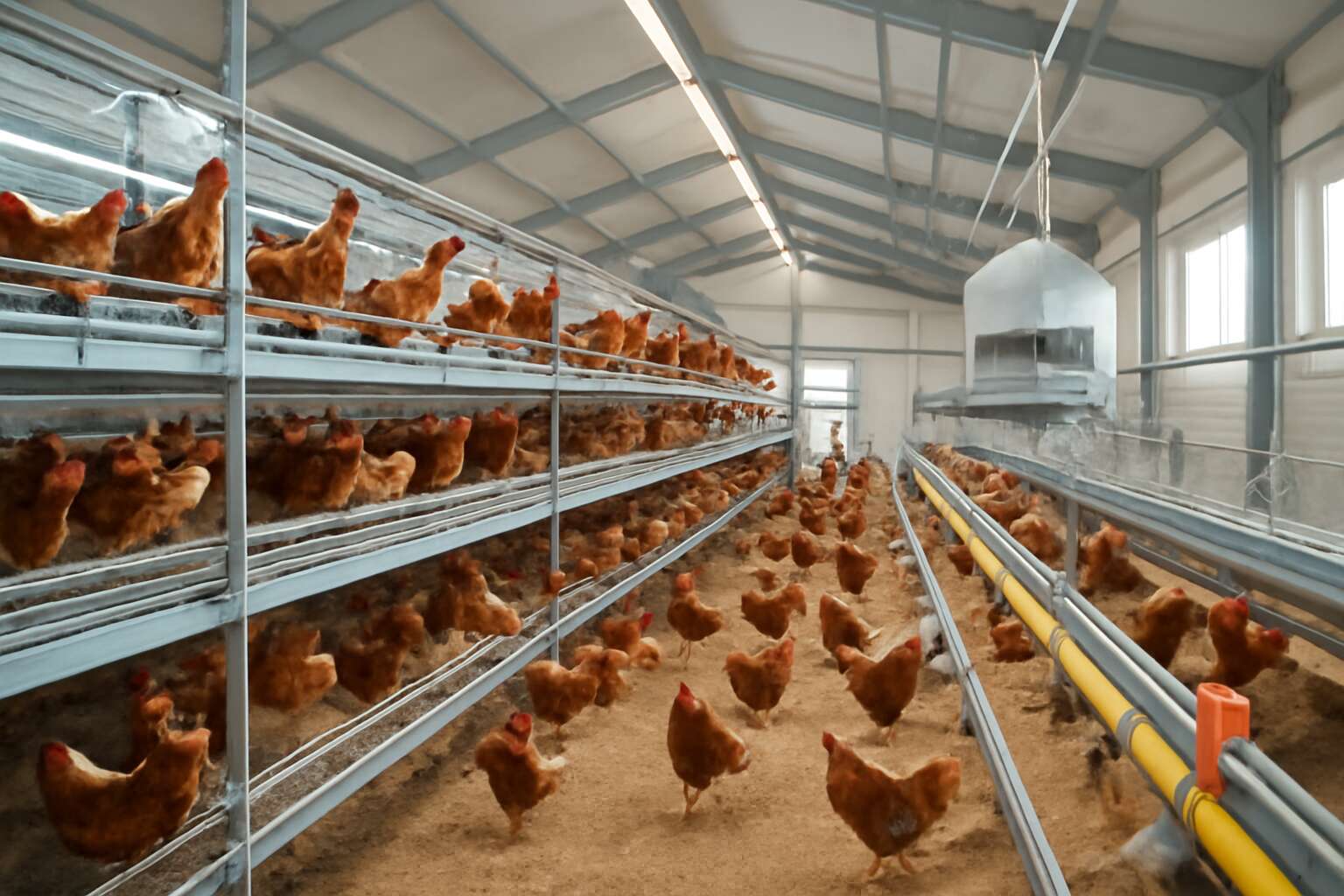
Poultry Facility Design and Management Outline
Designing a Modern Poultry Facility
Across South Africa, a well-designed poultry unit is more than shelter; it is a living stage where health, productivity and pride converge. A modern layout can cut energy costs—some pilots report up to 30%—and the geometry of spaces shapes every flock’s well-being. The space becomes a partner, not a cage, and the result is a durable, humane enterprise!
Design outlines rest on a simple premise: harmony between birds, humans, and the environment.
- Ventilation and air quality to support respiratory health
- Lighting and controllable temperature aligned with flock cycles
- Efficient water and feed systems to minimize waste
- Biosecurity and waste management for clean, safe housing
From there, management follows. We cultivate a culture of care—data dashboards, routine audits, and flexible staffing—that respects both people and the poultry unit. It is an echo of the American Dream—where efficiency and dignity meet on South African soil.
Key Components of a Poultry Farm Setup
Across South Africa, a well-run poultry unit isn’t merely shelter—it’s a living system that yields calm birds and leaner costs. Some pilots report up to 30% energy savings when the layout and infrastructure cooperate, transforming space into a strategic partner rather than a cagey necessity.
Key components of a poultry farm setup start with smart siting—terrain, drainage, and airflow—then move to durable, cleanable construction and clear service routes that keep operations smooth rather than chaotic.
On the management side, dashboards gauge flock rhythms, audits keep standards sharp, and flexible staffing mirrors the unit’s needs. In the end, the operation thrives when design and people share a common language of care, efficiency, and pride.
Biosecurity, Welfare, and Compliance in Poultry Housing
A poultry unit is more than a roof over birds—it’s a resilience system for South African farms! Tight biosecurity, strong welfare, and clear management produce calm birds and leaner costs. When layout and operations align, the unit becomes a strategic partner, not a liability.
Smart design begins with controlled access, clean and dirty zones, and robust, cleanable surfaces. Ventilation and climate control must deliver even airflow without drafts, while lighting supports welfare and growth. For a SA poultry unit, these elements matter most. Dashboards track flock rhythms; audits sharpen standards; and flexible staffing matches need. Compliance underpins every decision, from records to vaccination schedules.
Key focus areas balance biosecurity, welfare, and compliance:
- Access control, clean/dirty separation, and boot baths.
- Ventilation, lighting, and litter management for consistent welfare.
- Record-keeping, audits, and vaccination traceability.
Performance, Cost, and Sustainability Metrics for Poultry Production
“Design is profit’s quiet ally,” a veteran South African farmer often notes. An efficient poultry unit is more than walls and wiring—it’s a compass for profit, a living balance sheet in motion. In SA farms, savvy facility design translates into steadier yields, lower waste, and calmer birds. Performance, cost, and sustainability metrics become guideposts when layout, climate control, and systems align with real-world rhythms. A well-tuned unit speaks softly but answers loudly to feed, water, and flock welfare.
- Performance: throughput, uptime, and mortality trends reveal real-time health and efficiency.
- Cost: feed conversion, energy and water usage, and depreciation drive profitability.
- Sustainability: waste management, emissions, and resource stewardship frame long-term resilience.
These metrics illuminate the rhythm between cost discipline and environmental responsibility, guiding decisions that keep the unit competitive without sacrificing welfare. In the end, clear numbers become a compelling story of growth and steadiness.




0 Comments