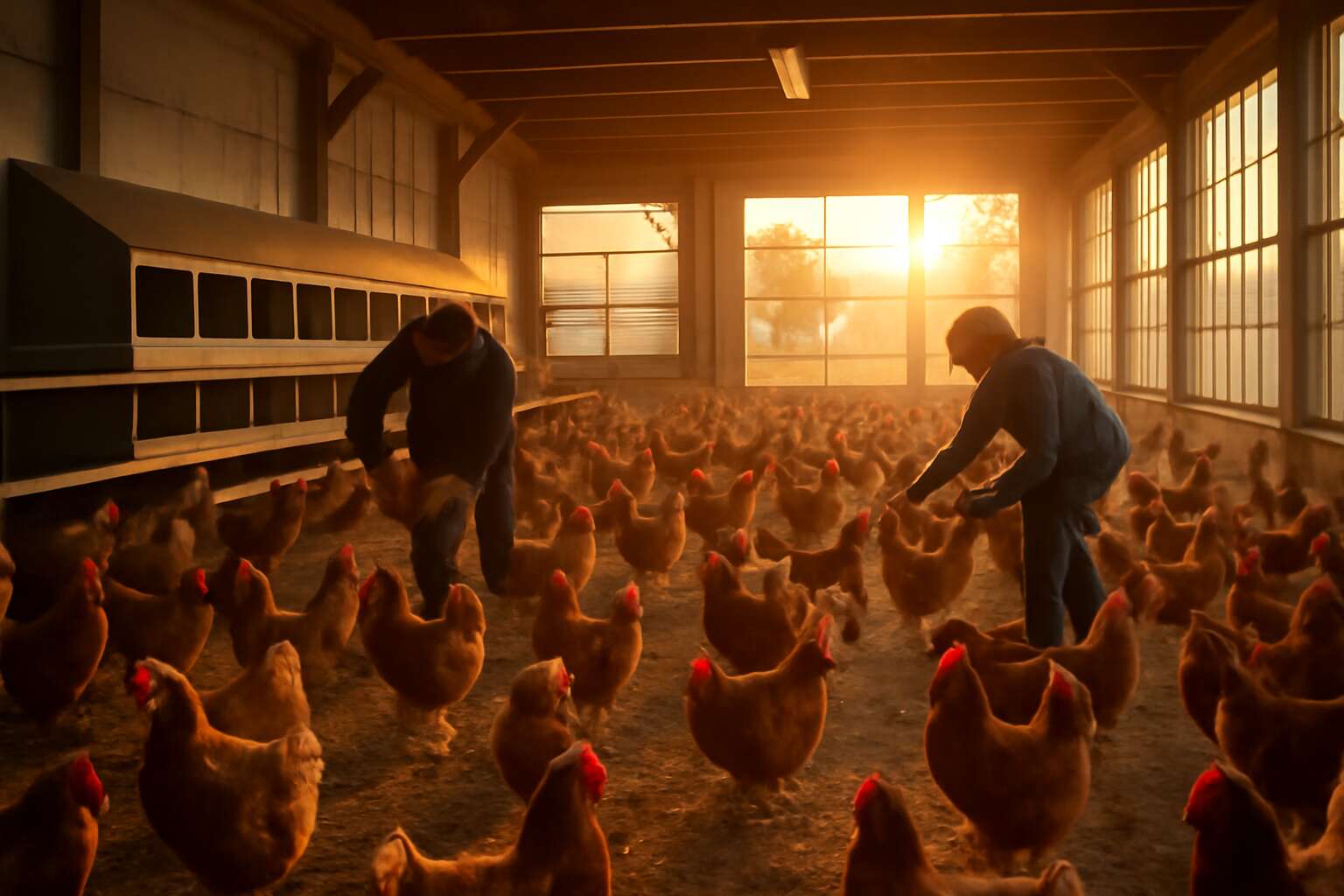
Understanding Poultry Harvesting
Definition of Poultry Harvest – Explains what poultry harvest entails and its importance in poultry farming
In the vibrant tapestry of South African agriculture, the process of poultry harvest stands as a vital thread—an intricate dance that transforms flocks into a steady stream of nourishment. This moment, often shrouded in the quiet hum of early dawn, marks the culmination of care, patience, and expertise. Poultry harvest isn’t merely about collection; it’s a carefully orchestrated operation that ensures the health, quality, and safety of each bird before they reach market shelves.
Understanding poultry harvest involves appreciating its significance in maintaining the integrity of poultry farming. It encompasses the humane handling of birds, precise timing, and adherence to strict biosecurity measures. The goal is to maximize yield while respecting the well-being of the poultry, creating a seamless transition from farm to fork. The process often includes steps such as:
- Sorting and selecting suitable birds
- Ensuring proper stunning and slaughter techniques
- Implementing hygiene standards to prevent contamination
Every element of the poultry harvest process plays a crucial role in delivering the finest poultry products—an essential aspect of South Africa’s agricultural landscape and culinary culture. It’s a delicate balance of science and artistry, where tradition meets innovation to produce the best possible outcome.
Stages of Poultry Harvesting – Overview of the key phases involved in the poultry harvest process
Understanding the stages of poultry harvest reveals a meticulous choreography rooted in tradition and scientific precision. Each phase is designed not only to optimize yield but also to uphold the highest standards of animal welfare and food safety. The process begins with careful sorting, where birds are selected based on age, size, and health, ensuring only the best reach the market. This step is crucial, as it sets the tone for the entire poultry harvest.
Following selection, humane stunning techniques are employed to minimize stress, a vital aspect that reflects both ethical responsibility and quality assurance. Once the birds are rendered insensible, slaughtering occurs with strict adherence to hygiene standards, preventing contamination and safeguarding consumer health. The entire sequence from stunning to processing is orchestrated with precision, often involving
- rigorous quality checks
- biosecurity protocols
to maintain integrity throughout the poultry harvest.
These stages embody a delicate balance—merging tradition with innovation—highlighting the importance of expertise in delivering premium poultry products that resonate with South Africa’s rich culinary tapestry.
Types of Poultry Harvested – Details on various poultry species typically harvested, such as chickens, turkeys, and ducks
The diversity of poultry species harvested speaks to the richness of South Africa’s agricultural landscape. Each bird type carries its own unique traits, demands, and harvest protocols. Chickens, the cornerstone of poultry harvest, are valued for their versatility and quick growth cycle. Turkeys, on the other hand, demand a different approach—larger size, slower maturation, and specific handling standards. Ducks, with their waterfowl heritage, introduce yet another layer of complexity, especially considering their environmental needs and distinct processing techniques.
Within the realm of poultry harvest, understanding the different species is crucial. For instance, the process for harvesting broiler chickens involves rapid turnaround times, while heritage breeds require more meticulous handling. Ducks often require specialized facilities to ensure waterfowl welfare and hygiene. Recognizing these nuances helps farmers and processors optimize yield and quality at every stage of the poultry harvest.
- Chickens
- Turkeys
- Ducks
Each species contributes uniquely to South Africa’s culinary tapestry, making poultry harvest a fascinating dance of tradition and innovation. The ability to adapt harvesting techniques to these diverse birds ensures not only efficiency but also the highest standards of animal welfare and food safety are maintained throughout the process.
Preparation for Poultry Harvest
Farm Setup and Equipment – Essential tools and equipment needed for efficient poultry harvesting
Preparation is the silent symphony before the grand poultry harvest, where every note must be in perfect harmony. In the vast expanse of South African farms, meticulous setup not only ensures efficiency but also safeguards the integrity of each bird’s journey from coop to table. The right equipment transforms labor into artistry, turning what might seem mundane into a choreographed dance of precision and care.
Essential tools for a seamless poultry harvest include sharp plucking knives, sturdy catching nets, and reliable scales to measure each bird’s weight with unwavering accuracy. A well-organized work area, with designated zones for loading and processing, minimizes chaos and maximizes throughput. For those seeking speed without sacrificing compassion, automated equipment such as conveyor systems and mechanical pluckers can significantly enhance productivity while maintaining humane standards.
Ultimately, the foundation of a successful poultry harvest rests upon preparation—equipping the farm with the right tools, ensuring safety protocols are in place, and cultivating an environment where every worker understands that excellence begins long before the first bird is caught. When these elements align, the harvest becomes not only efficient but a testament to the farmer’s dedication and craftsmanship.
Animal Handling and Welfare – Best practices for humane handling and minimizing stress on poultry
Humane handling is the cornerstone of a successful poultry harvest. Stress-free practices not only improve the quality of the meat but also reflect ethical farming standards. For farmers across South Africa, understanding how to minimize distress during handling is vital. Proper animal handling techniques can make the difference between a smooth harvest and one marred by injury or trauma.
Key to this is training workers to approach poultry calmly and confidently. Quick, gentle movements reduce fear and agitation among birds. Using appropriate catching equipment, like soft nets and careful grip techniques, helps prevent injury. In addition, maintaining a quiet and organized environment reduces noise and chaos, which can unsettle the flock.
Implementing best practices such as
- limiting handling time
- avoiding overcrowded pens
and ensuring the birds are well-rested before harvest can significantly decrease stress levels. Remember, a calm bird is easier to handle and yields better meat quality. Prioritizing animal welfare during the poultry harvest process is a reflection of a farm’s commitment to ethical standards and operational excellence.
Timing and Scheduling – Indicators for optimal harvest time to ensure quality and yield
Timing is everything when it comes to a successful poultry harvest. Knowing when to schedule the harvest can make all the difference between a bountiful yield and a compromised product. The key indicators for optimal poultry harvest include the bird’s age, weight, and overall health. For instance, broilers are typically ready for harvest around 6 to 8 weeks, when they reach their peak growth rate and optimal meat quality. Monitoring these signs ensures that farmers harvest poultry at its freshest and most tender state, ultimately enhancing consumer satisfaction.
Additionally, environmental factors such as temperature and daylight hours play a crucial role. Cooler mornings and days with moderate temperatures help reduce stress on the birds, leading to a smoother poultry harvest. Farmers often track these external cues alongside internal indicators like feather condition, body condition score, and bird activity levels. An organized schedule, aligned with these natural signs, helps streamline operations and ensures the highest yield possible.
- Birds reaching their target weight
- Optimal feather condition observed
- Stable health status with no signs of illness
- Favorable weather conditions for handling and transport
By paying close attention to these indicators, farmers can plan their poultry harvest with precision, safeguarding meat quality and maximizing productivity. A well-timed harvest reflects both efficient farm management and a deep respect for animal welfare, ensuring that every step of the process honours the integrity of the poultry and the farm’s reputation.
Methods of Poultry Harvesting
Manual vs Mechanical Harvesting – Comparison of hand-based methods and mechanical systems
In the grand tapestry of poultry harvest, the choice between manual and mechanical methods weaves a story of tradition versus innovation. Hand-based techniques, steeped in heritage, offer a gentle touch—each bird carefully lifted, ensuring minimal stress and humane treatment. This approach, while labor-intensive, allows for meticulous handling that preserves the quality of the poultry harvest, especially vital in small-scale or organic farms.
Conversely, mechanical systems surge forward like a swift river, transforming the poultry harvest into a symphony of efficiency. Automated harvesters, equipped with conveyor belts and stunning devices, expedite the process, reducing labor costs and boosting throughput. For large farms, this method minimizes human error and maximizes yield, making it an attractive choice in the quest for productivity.
- Reduced labor costs
- Faster processing times
- Consistent quality control
> Yet, the decision hinges on farm size, budget, and the unwavering commitment to animal welfare. The harmony of manual versus mechanical poultry harvest thus becomes a delicate dance—each step carefully choreographed to meet the farm’s unique rhythm and the sacred responsibility of humane treatment.
Field Harvesting Techniques – Step-by-step process for harvesting poultry directly from the farm
In the delicate dance of poultry harvest, the method chosen can shape not only the efficiency but the very soul of the process. Field harvesting techniques demand a keen understanding of the terrain, the birds, and the ethos of humane treatment. Each step in the process—from capturing to stunning—must be executed with precision, ensuring minimal stress on the poultry. This careful approach preserves the integrity of the harvest and aligns with ethical standards that are increasingly vital in modern South African poultry farms.
For small-scale farmers, manual poultry harvest often involves a series of deliberate actions. The worker gently approaches the birds, using calm movements to reduce panic, then carefully lifts each one onto a processing table. This method, although labor-intensive, offers unparalleled control over animal welfare and product quality. Larger farms might adopt a different approach, integrating mechanical systems that streamline the harvest. These systems typically follow a sequence:
- Preparation of equipment and ensuring all safety measures are in place.
- Gathering the poultry into designated holding areas.
- Using stunning devices for humane immobilization.
- Automated transfer onto processing lines, often via conveyor belts.
In essence, poultry harvest procedures are as much about respecting the life of each bird as they are about maximizing efficiency. Whether manual or mechanical, each method reflects a farm’s values and operational scale—highlighting the profound responsibility carried by those who harvest poultry in South Africa’s diverse agricultural landscape.
Processing and Evisceration – Post-harvest steps including cleaning, evisceration, and processing
Once the final feather is gently plucked and the bird’s life quietly surrendered, the journey of poultry harvest transitions into a delicate dance of processing and evisceration. This phase is where the artistry of poultry harvest truly reveals itself, blending precision with respect for the animal. Ensuring cleanliness and hygiene during this stage is paramount, as it directly influences the quality of the final product. Proper cleaning and meticulous evisceration safeguard against contamination, preserving the integrity of each bird’s meat and ensuring compliance with South African food safety standards.
During evisceration, skilled workers carefully remove internal organs, taking care to prevent spillage or damage that could compromise the carcass. The process often involves a series of steps, such as:
- Removal of the viscera, including the intestines and lungs
- Inspection of organs for signs of disease or anomalies
- Final washing and trimming of the carcass
Post-harvest processing also includes techniques like chilling, which is vital for maintaining freshness and preventing bacterial growth. Automated systems, such as conveyor belts, streamline the transfer from evisceration to packaging, but manual handling remains essential for quality control in smaller farms. Every stage, from cleaning to processing, reflects a commitment to not only efficiency but also the humane treatment of poultry, emphasizing the profound responsibility held by South African poultry farmers in delivering safe, high-quality meat to consumers.
Post-Harvest Handling and Storage
Transportation of Harvested Poultry – Guidelines for safe transportation to processing or storage facilities
Every successful poultry harvest hinges on meticulous post-harvest handling and storage transportation. Once the birds are carefully gathered and processed, the journey from farm to processing facility must be undertaken with precision and care. Proper transportation safeguards the quality of the poultry harvest, ensuring that the freshness and safety standards are upheld. In regions like South Africa, where poultry production is a vital component of food security, adhering to strict guidelines during transportation is essential. Efficient logistics not only preserve the integrity of the meat but also reflect a commitment to humane treatment and food safety.
To optimize the process, it’s crucial to employ suitable transport equipment that maintains optimal temperature and minimizes stress on the poultry. This can be achieved through the use of ventilated crates and temperature-controlled vehicles, which help reduce spoilage and bacterial growth. For a seamless transition from farm to processing plant, consider implementing a structured schedule that aligns with the birds’ age and maturity, ensuring the poultry harvest arrives in peak condition. When executed with care, post-harvest handling and transportation become the backbone of a successful poultry operation, fostering trust and excellence in every harvest.
Cold Storage and Preservation – Best practices for maintaining freshness and quality after harvest
Maintaining the freshness and quality of poultry after harvest is critical to ensuring food safety and consumer satisfaction. Cold storage and preservation techniques are the backbone of post-harvest handling that prevent spoilage and bacterial growth. Proper cold storage involves more than just refrigeration; it requires a controlled environment that keeps poultry at the right temperature and humidity levels.
Effective preservation methods include rapid chilling immediately after harvest, which locks in flavor and texture. Using ventilated crates and temperature-controlled storage units helps sustain optimal conditions. It’s also important to regularly monitor storage facilities to ensure consistent performance. This vigilance minimizes the risk of contamination and extends the poultry’s shelf life. For regions like South Africa where poultry is integral to food security, adhering to best practices in cold storage can make all the difference in delivering fresh, safe poultry to markets.
- Implement fast cooling methods immediately after poultry harvest to preserve quality.
- Maintain precise temperature controls in cold storage facilities, ideally between 0°C and 4°C.
- Use ventilated crates during storage to promote air circulation and prevent moisture buildup.
- Regularly inspect storage environments to detect and correct any deviations from optimal conditions.
Packaging and Labeling – Standards for packaging poultry products for sale or distribution
In the intricate dance of poultry harvest, the journey from farm to table hinges on meticulous handling, especially when it comes to packaging and labeling. The manner in which poultry products are packaged not only safeguards freshness but also communicates quality and safety to consumers. In regions like South Africa, where poultry is a cornerstone of nutritional sustenance, adherence to strict packaging standards becomes an ethical obligation as much as a commercial one.
Effective packaging for poultry products must incorporate tamper-evident seals, moisture-resistant materials, and clear labeling. Labels should include essential information such as harvest date, expiry date, and origin, fostering transparency and consumer trust. Proper packaging also involves sealing poultry in vacuum packs or modified atmosphere packaging, which prolongs shelf life and preserves flavor integrity.
- Use durable, food-grade materials that prevent contamination.
- Ensure labels are legible, including all regulatory information and nutritional details.
- Incorporate barcodes or QR codes to streamline traceability throughout the supply chain.
Ultimately, the standards for poultry packaging transcend mere aesthetics—they are vital safeguards that uphold food safety, enhance marketability, and honor the integrity of each poultry harvest. In the competitive landscape of South Africa’s poultry industry, these practices are the unseen backbone supporting consumer confidence and sustainable growth.
Poultry Harvest Safety and Regulations
Health and Safety Protocols – Mandatory safety measures for workers and quality assurance
Ensuring safety during poultry harvest is not just a regulatory requirement—it’s the backbone of producing high-quality poultry products that consumers trust. In South Africa, strict health and safety protocols are mandated to protect workers from potential hazards, including biohazards and mechanical risks. Proper training and protective gear are indispensable to minimize accidents and ensure humane treatment of poultry, which directly impacts the quality assurance process.
Mandatory safety measures include the use of personal protective equipment (PPE), adherence to hygiene standards, and rigorous sanitation routines. These practices help prevent contamination and preserve the integrity of the poultry throughout the harvest. Additionally, implementing comprehensive health and safety protocols fosters a culture of accountability and care among workers, ultimately elevating the standards of poultry harvest operations in the region.
To streamline compliance, many farms adopt a detailed safety checklist, which covers everything from equipment maintenance to proper animal handling. Maintaining this balance of safety, efficiency, and animal welfare ensures that every poultry harvest upholds the highest standards—both ethically and commercially. After all, the success of a poultry harvest hinges on meticulous safety regulations that safeguard everyone involved and the quality of the final product.
Compliance with Industry Standards – Overview of regulations and certifications relevant to poultry harvest
The poultry harvest process in South Africa is governed by a labyrinth of regulations that ensure both animal welfare and product quality. As the backbone of a thriving poultry industry, compliance with industry standards is non-negotiable. Regulatory frameworks such as the South African Poultry Association (SAPA) standards, along with national food safety regulations, set the bar for responsible harvesting practices. Certifications like Hazard Analysis and Critical Control Points (HACCP) and Good Manufacturing Practices (GMP) further cement the credibility of poultry harvest operations.
Adherence to these standards isn’t merely bureaucratic red tape; it’s a vital component that safeguards consumer trust and guarantees the integrity of poultry products. Farms often embrace detailed safety checklists, which encompass everything from equipment sanitation to humane animal handling. This meticulous approach ensures that every poultry harvest aligns with both legal mandates and ethical considerations, elevating the industry’s reputation. In a landscape where reputation is everything, compliance with industry standards acts as a shield—protecting workers, poultry, and ultimately, the end consumer.
Biosecurity Measures – Strategies to prevent contamination and disease spread during harvesting
In the realm of poultry harvest, safeguarding the health of both poultry and humans is paramount. Biosecurity measures serve as the fortress walls protecting farms from the insidious spread of disease and contamination. During the critical moments of harvesting, strict protocols must be upheld to prevent cross-contamination that could compromise entire batches of poultry products.
Implementing comprehensive strategies such as controlled access to harvesting areas, rigorous sanitation routines, and the use of dedicated equipment can dramatically reduce risks. For instance, sanitizing tools after each use and ensuring personnel wear protective gear creates a barrier against pathogens. It’s essential that every step of the poultry harvest process adheres to biosecurity standards, which are often mandated by national regulations and industry certifications.
To further bolster these efforts, farms often employ a combination of the following tactics:
- Regular disinfection of equipment and surfaces
- Strict hygiene protocols for workers handling poultry
- Segregation of clean and dirty zones on the farm
- Monitoring and controlling pest and wild animal access
Such measures not only uphold the integrity of the poultry harvest but also fortify consumer confidence in the safety and quality of the final product. In the intricate dance of poultry harvesting, biosecurity acts as the unseen guardian—ensuring that each bird’s journey from farm to table is as pristine and pathogen-free as possible.
Innovations and Trends in Poultry Harvest
Automation and Technology Advancements – Emerging tools and machinery improving efficiency
Innovation is transforming the landscape of poultry harvest, ushering in a new era of efficiency and precision. Emerging tools and machinery are not only accelerating the process but also enhancing animal welfare standards, which are increasingly vital in modern poultry farming. Advanced automated systems, such as robotic pickers and conveyor belts, reduce manual labor and minimize human error, leading to more consistent yields.
One of the most remarkable trends is the integration of smart technology into poultry harvest machinery. Sensors and AI-powered systems can now monitor bird health, optimize harvest timing, and streamline processing workflows. For instance, automated evisceration lines equipped with vision systems ensure cleanliness and compliance with industry standards, reducing contamination risks. As the poultry harvest process evolves, these breakthroughs are making a tangible difference in farm productivity and product quality.
- Robotic harvesters designed for humane handling
- AI-driven sorting and grading systems
- Automated transportation and cold storage solutions
Such innovations are setting new benchmarks for efficiency and sustainability in South African poultry farms, reflecting a global shift towards smarter, more responsible harvesting practices. The focus on cutting-edge machinery not only boosts farm output but also aligns with increasing consumer expectations for quality and safety in poultry products.
Sustainable Harvesting Practices – Eco-friendly methods and reducing waste during harvest
In a world where sustainability and efficiency are no longer mere aspirations but imperatives, innovations in poultry harvest are carving a new path—one paved with eco-friendly methods and a reverence for nature’s delicate balance. Across South African farms, the pursuit of reducing waste during harvest is transforming traditional practices into a symphony of responsible stewardship. Every cut, every movement, now echoes with purpose—minimizing environmental impact while maximizing yield and quality.
Emerging trends emphasize the importance of sustainable harvesting practices. Techniques such as biodegradable packaging, waterless cleaning systems, and energy-efficient machinery are becoming the norm. These advancements not only align with global efforts to combat climate change but also resonate with conscious consumers demanding transparency and responsibility. Poultry harvest, once a straightforward affair, now becomes a mindful act—an intricate dance between progress and preservation.
To elevate poultry harvest to new heights, farms are adopting innovative solutions like automated sorting systems that reduce waste and optimize resource use. The integration of AI-driven technology allows for precise grading and handling—ensuring each bird is treated with dignity while minimizing environmental footprint. As these eco-conscious methods flourish, they set a benchmark—one where productivity and planetary health are not mutually exclusive but harmoniously intertwined.
Future Outlook – Predicted developments and evolving practices in poultry harvesting
As the world pivots towards more sustainable agricultural practices, the future of poultry harvest is poised for a remarkable transformation. Innovations in automation and precision technology are at the forefront, promising to elevate efficiency while safeguarding animal welfare and environmental integrity. Advanced AI-driven sorting systems, for example, are not only reducing waste but also ensuring each bird is handled with dignity—an essential evolution in responsible poultry harvest.
Moreover, emerging trends emphasize eco-friendly practices that align with global efforts to combat climate change. Biodegradable packaging, energy-efficient machinery, and waterless cleaning systems are rapidly becoming standard features on progressive South African farms. These innovations do more than just meet consumer demand—they redefine the very essence of poultry harvest, making it a more conscientious process. As these practices become mainstream, they set a benchmark, illustrating how productivity and sustainability can coexist harmoniously.
Looking ahead, we can anticipate a surge in the adoption of integrated solutions such as automated grading and robotic handling. These advancements will streamline the process, minimize manual labor, and—most importantly—enhance animal welfare. As the industry evolves, poultry harvest will increasingly reflect a sophisticated blend of technology and ecological mindfulness, charting a future where responsible stewardship is the norm rather than the exception.


0 Comments