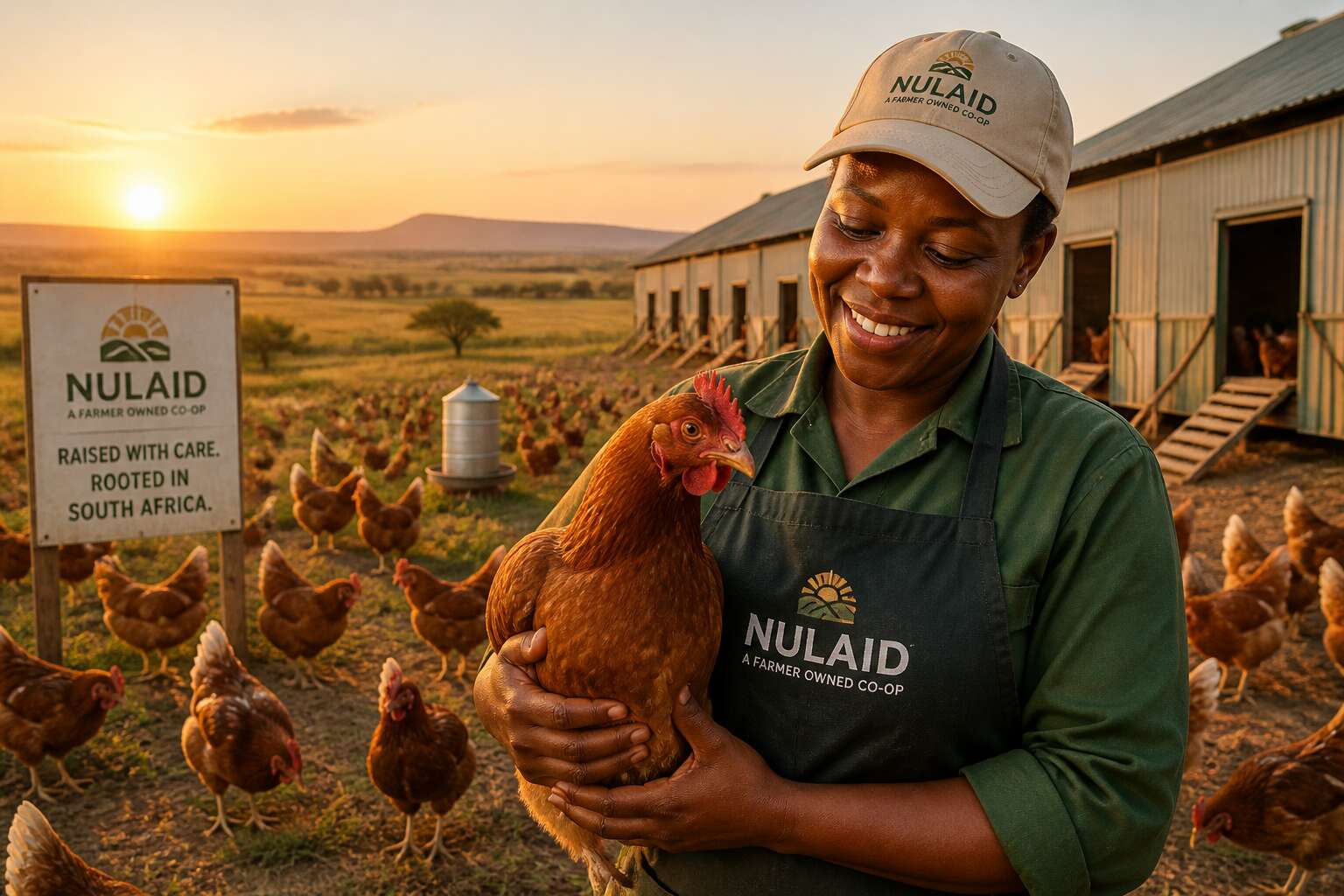
Overview of the Domestic Poultry Industry
Market Size and Geographic Distribution
South Africa’s poultry industry contributes over R50 billion to the agricultural economy annually, making it the largest single food sector. The production footprint of the major poultry companies in south africa is not scattered at random. It tracks the country’s maize belt and transport arteries.
Primary production clusters appear in a few distinct areas:
– Mpumalanga’s Highveld, close to feed mills and rail links
– The western interior of KwaZulu-Natal, serving the Durban corridor
– The North West province, with growing feed capacity
– The Western Cape, where processing and further plants handle retail distribution
For us, the geographic distribution matters because fresh poultry cannot travel long distances without significant cost. Larger operators manage integrated facilities across these regions, while smaller independents serve provincial markets. Together, they form a network that reaches virtually every South African consumer.
Primary and Secondary Processing Segments
The domestic poultry industry splits its output between primary and secondary processing segments. Primary processing involves slaughter, evisceration, and chilling, drawing the heaviest capital expenditure. Most poultry companies in south africa treat this stage as the baseline for volume. Secondary processing moves product further along the value chain, covering deboning, portioning, marinating, and cooking.
I see the operational logic here:
- Primary plants focus on throughput and cold chain integrity.
- Secondary plants chase retail specifications and foodservice contracts.
This distinction matters for competitive positioning. A business that only performs primary processing competes on price. A firm that invests in secondary processing can lock in differentiated margins. The segmentation also affects labour needs and export eligibility. The true measure of resilience for poultry companies in south africa lies in balancing these two distinct production phases.
Chicken Meat Versus Egg Production
Chicken meat and egg production follow separate production paths within South Africa’s poultry industry. Broiler flocks reach slaughter weight in under seven weeks, turning capital quickly. Layer hens, by contrast, stay in production for over a year, demanding patient management and steady feed quality.
Poultry companies in south africa rarely excel at both. Meat operations chase feed conversion ratios and processing line speeds. Egg operations track mortality rates and grading accuracy. The equipment, biosecurity, and labour skills barely overlap.
- Meat farms are built for rapid throughput, often using tunnel ventilation and automated feeding.
- Egg farms prioritise hygiene and lighting schedules to maintain shell quality.
This divergence means market shocks hit each segment differently. A drop in chicken prices pressures the meat side, while an egg surplus crashes wholesale prices. For poultry companies in south africa, choosing one stream is a strategic commitment, not a casual diversification.
Leading Industry Players Shaping the Market
Integrated Agri-Business Conglomerates
Scale defines the upper tier of this sector. Astral Foods and RCL Foods manage every stage from parent stock to packaged cuts. These integrated agri-business conglomerates own their feed mills, hatcheries, and abattoirs, which grants them direct control over supply costs and production schedules. Country Bird Holdings and Quantum Foods trail slightly, each building strong regional positions.
This vertical structure decides how poultry companies in south africa handle shocks. When maize prices spike or avian influenza appears, the conglomerates adjust internally instead of turning to outside suppliers. Their scale shapes retail negotiations and influences import tariffs.
The market’s leading integrated firms are:
- Astral Foods
- RCL Foods
- Country Bird Holdings
- Quantum Foods
- Sovereign Foods
For smaller operators seeking to rival these poultry companies in south africa, competition remains stiff. They must innovate or partner, because the larger firms continue to consolidate.
Medium-Scale Regional Operations
While the integrated giants dominate headlines, a second tier shapes local dynamics. These medium scale regional operations control mid level supply, delivering fresh products within a day’s drive. They specialise in custom cuts or farm to table contracts, something the conglomerates overlook.
- Long term supply agreements with regional supermarkets.
- Investments in cold chain logistics reaching rural towns.
- Slower growing breeds for premium markets.
Among poultry companies in south africa, this segment holds real advantages. Their smaller footprint permits quicker responses to disease outbreaks. A single plant can halt production without disrupting national distribution. That flexibility matters when consumers demand traceability. In fact, local abattoirs outside the major groups process nearly a third of the country’s broilers.
Contract Growers and Smallholder Networks
Over half of South Africa’s broilers now come from contract grower arrangements. Leading industry players supply day old chicks, feed, and veterinary care, while growers provide sheds and labour. Smallholder networks take a different route, grouping farmers into cooperatives.
- Negotiated offtake agreements with regional abattoirs
- Shared biosecurity training and inspection schedules
- Pooled cold storage for market access
These networks pull thousands of rural households into formal supply chains. The top poultry companies in south africa finance training in hatchling management and disease control. That investment pays off in steady supply and producer loyalty, especially when feed prices shift monthly!
Supply Chain and Distribution Strategies
Some of the largest poultry companies in South Africa treat distribution as a battlefield where freshness wins. Their cold chain infrastructure operates with military precision, moving product from abattoir to retail shelf within 48 hours. I have watched these players invest heavily in route optimisation software that shaves hours off delivery schedules, particularly for the lucrative Gauteng market.
The dominant firms also restructure how they reach independent spaza shops and informal traders.
- Direct store delivery using smaller, maneuverable trucks
- Cross-docking hubs in secondary cities like Polokwane and Nelspruit
- Night-time deliveries to beat traffic and reduce spoilage risk
By controlling these last-mile decisions, leading poultry companies in South Africa lock in shelf space before competitors even arrive. They also offer volume rebates to wholesalers who commit to exclusive supply agreements. This creates a supply chain where scale and speed reinforce each other, making it harder for smaller players to negotiate fair terms. The result is a distribution network that prioritises consistency over flexibility, a trade-off that shapes the entire market’s structure.
Economic Significance of the Broiler and Layer Sector
Direct and Indirect Employment Statistics
The broiler and layer sector anchors rural livelihoods far beyond the farm gate. Direct employment figures surpass 100,000, including feed technicians, hatchery staff, and processing line workers. Indirect jobs multiply that number. For every three direct roles, an estimated two emerge in supporting industries.
Consider the network that supports the supply chain:
- Refrigerated transport operators
- Veterinary service providers
- Feed ingredient suppliers
- Cold storage maintenance crews
Poultry companies in south africa also sustain informal trading networks, where micro-entrepreneurs sell fresh and frozen portions daily. Wages circulate locally, stabilising towns and financing school fees, housing, and healthcare. This employment resilience matters in provinces with few industrial alternatives.
Contribution to Household Food Security and Protein Accessibility
One chicken portion can feed a family of four for under R40, making poultry an affordable safety net in South African food systems. Poultry companies in south africa deliver protein to spaza shops, street vendors, and rural supermarkets, often within 48 hours of slaughter. This logistical reach matters because household food security depends on regular access, not just availability.
Consider the price gap. Chicken thighs and offal sell at a fraction of the cost of beef or lamb, allowing low-income households to maintain dietary protein. In township markets, I have watched a single crate of frozen portions feed several extended families over a weekend. The sector also supplies frozen cartons to school feeding programmes.
The economic significance extends to nutrition:
– Affordable protein helps mitigate childhood stunting, which affects one in four children in parts of the Eastern Cape.
– Layer farms supply eggs, a complete protein source, at roughly R2 per egg in bulk retail.
– These options reduce reliance on carbohydrate-heavy diets.
Households stretch their grocery budgets further when poultry prices hold steady. Poultry companies in south africa anchor food security for millions of families, even when other protein markets spike.
Trade Agreements, Import Duties, and Market Protection
In 2023, the International Trade Administration Commission confirmed anti-dumping duties of up to 62% on bone-in chicken imports from Brazil. These duties stop foreign producers from selling below production cost.
Import tariffs within the Southern African Customs Union add further protection. The 12% common external tariff gives local processors room to absorb maize and soya cost increases.
- Duties protect local employment in abattoirs and feed mills
- Trade agreements shape regional supply dynamics
- Tariff reviews require evidence of material injury
Poultry companies in South Africa use these trade protections to justify long term investments. Without market protection, the domestic sector would struggle against cheaper imported portions. I have watched tariff decisions change towns like Hammarsdale, where a single duty adjustment affects hundreds of contract growers. Poultry companies in South Africa also navigate rules of origin under the African Continental Free Trade Area.
Operational Challenges Facing Local Producers
Disease Outbreaks and Biosecurity Protocols
A single undetected viral introduction can halt operations for months. Poultry companies in South Africa felt this during the 2023 highly pathogenic avian influenza outbreak, which forced the culling of over 2.5 million birds and crippled table egg supply chains across Gauteng and KwaZulu-Natal. That shock reshaped how producers view their own vulnerability.
Biosecurity protocols have shifted from paperwork to obsession. Producers now segment farms into zones, requiring boot baths, dedicated vehicles, and air filtration for breeder houses. Yet vigilance faces limits: wild waterfowl ignore fences, and migrating flocks cross the same wetlands that supply farm water!
- Enhanced surveillance testing of sentinel birds
- Strict rendering protocols for mortality disposal
- Quarantine periods following live bird market exposure
Newcastle disease remains a persistent second threat, and we have seen medium scale operations without veterinary budgets suffer most. The tension between production density and disease containment defines the sector’s operational future, pushing every poultry company in South Africa to treat biosecurity as a daily discipline rather than a compliance checkbox.
Rising Energy Costs and Cold Chain Reliability
South Africa’s electricity crisis has become a slow, grinding tax on every producer. Rising energy costs inflate the monthly statement and dictate the rhythm of processing plants. When Eskom cuts power, the cold chain becomes vulnerable. A single extended outage can push stored chicken toward the temperature danger zone, and the losses compound silently.
Poultry companies in south africa now run diesel generators as a constant presence. Fuel costs add to overheads, and those costs travel down the value chain to the consumer. The cold chain demands constant vigilance:
- Temperature monitoring systems with remote alerts
- Backup battery capacity for freezers and chillers
- Scheduled maintenance on refrigeration units
For poultry companies in south africa, the reliability of this chain determines whether a shipment reaches a retail shelf or a landfill. Every producer checks the load shedding schedule with daily urgency, and the margin for error has never been thinner.
Maize and Soybean Input Price Volatility
Feed accounts for roughly 70% of a broiler producer’s variable costs, and South African maize and soybean prices swing with currency moves, weather patterns, and global demand. When the rand weakens, imported soybean meal becomes pricier, and local farmers follow. For poultry companies in south africa, this volatility upends budgeting cycles already stretched thin.
Producers respond with a mix of strategies:
- Forward contracting for maize volumes at fixed prices
- Shifting feed formulations to alternative protein sources
- Buying in bulk during seasonal harvest dips
Each approach carries its own risk. A locked in price can look foolish when the harvest overdelivers, while flexible buying leaves the operation exposed to sudden spikes. Large integrated players field full procurement teams for hedging. Medium sized operations watch the market with fewer buffers. Every percentage point change in feed costs shifts the break even point for poultry companies in south africa, and those movements travel directly toward the consumer price.
Regulatory Compliance and Labour Policies
Regulatory compliance and labour policies test the resilience of poultry companies in south africa. The sectoral determination sets minimum wages that shift with annual reviews, forcing producers to adjust payroll budgets without warning. Larger firms absorb these changes through dedicated human resource teams. Small and medium operations feel every adjustment directly, often eroding their margins to almost nothing.
Labour policy shapes daily routines in ways outsiders rarely see. Producers must manage:
- Work permit verification for migrant workers
- Occupational safety audits for processing plants
- Training documentation for food handling standards
Each requirement consumes time and capital. For poultry companies in south africa, the real challenge sits in the gap between policy and practice. Compliance is mandatory, yet the cost of full adherence can exceed what a small producer earns in a month. That tension creates quiet pressure across the entire sector.
Competitive Pressure from Frozen Imports
Frozen imports enter the market at prices that undercut local production costs. These shipments often benefit from lower labour standards and weaker environmental oversight in their origin countries. The result is a persistent gap between what importers charge and what local producers must spend to stay compliant.
For poultry companies in south africa, the import challenge creates a practical problem:
- Retailers negotiate annual supply contracts with importers who offer consistent volume.
- Imported products bypass the biosecurity audits local plants must endure.
- Local producers absorb packaging and logistics costs that importers avoid through direct bulk shipping.
Each factor compounds the operational strain. Local producers cannot simply lower prices without cutting corners on welfare or safety, and that trade off damages their reputation.
Strategic Opportunities and Future Market Trends
Adoption of Solar Power in Production Facilities
South Africa’s solar irradiance ranks among the highest globally, yet many poultry producers still depend on coal fired electricity. Forward thinking poultry companies in south africa are now installing photovoltaic arrays across hatcheries and processing plants. This shift reduces operating costs and stabilises output during load shedding. The future market trend favours hybrid solar and battery systems that sustain cold chains overnight. Strategic opportunities emerge across several areas:
- pairing solar with heat recovery for broiler houses
- adopting agrivoltaics for feed crop shading
- earning carbon credits
These measures meet export sustainability standards. As panel prices fall, payback periods shorten. Producers who act early gain a cost edge that cushions input price volatility. Solar adoption has become a financial necessity and an environmental imperative.
Automation and Robotics in Poultry Processing
Automation has moved beyond the packaging line. Leading poultry companies in south africa are deploying robotic cutting systems that improve yield consistency and reduce contamination risks. These systems use vision-guided arms to portion birds with precision that manual labour cannot match.
The strategic shift reallocates workers to quality control and maintenance, softening the impact of wage inflation and skilled labour shortages in rural processing areas. For poultry companies in south africa, robotics now rival manual processing on cost per bird, especially as technology prices fall.
Future trends point toward:
- AI-driven grading that sorts carcasses by weight and fat content
- Collaborative robots working alongside butchers in deboning halls
- Machine vision detecting bone fragments and defects in real time
Early adopters gain a measurable advantage in export compliance and domestic supply stability.
Growth of Free-Range and Antibiotic-Free Product Lines
Urban consumers now treat free-range labels as a baseline expectation, not a premium luxury. The antibiotic-free segment grows twice as fast as conventional chicken, driven by health-conscious households and export buyers inspecting residue levels.
Poultry companies in south africa are responding with separate supply chains for these products, which requires different breeds, longer rearing cycles, and stricter veterinary oversight. The margins justify the complexity, but only for businesses with reliable cold chain logistics!
Future growth likely concentrates in:
- Pasture-raised lines for regional retailers
- No-antibiotics-ever certifications for EU and Middle East markets
- Traceability systems that verify claims at farm level
Early movers are securing premium shelf space before competition intensifies.
Export Potential in Neighbouring SADC States
SADC markets remain underserved by regional suppliers. While South African producers dominate domestic shelves, neighbouring states like Botswana, Namibia, and Mozambique import significant volumes from Brazil and the EU. That creates a gap for poultry companies in south africa with excess processing capacity and reliable cold chains.
Export growth depends on three factors:
- Harmonised veterinary certificates under SADC trade protocols
- Investment in border post cold storage infrastructure
- Product formats tailored to informal retail channels
Zambia and Zimbabwe present particular demand for frozen chicken portions at competitive price points.



0 Comments